Update

We’ve just reached 50 followers! Thank you all so much for following and supporting me, it is very much appreciated!

I am still working towards adopting a hamster in the (hopefully) near future, but the upgrades I have planned are taking some time. Don’t worry, I’ll write up some posts about those upgrades when they’re complete 😉

Thanks again for supporting the blog, and have a ham-tastic day!

Circle House DIY Tutorial

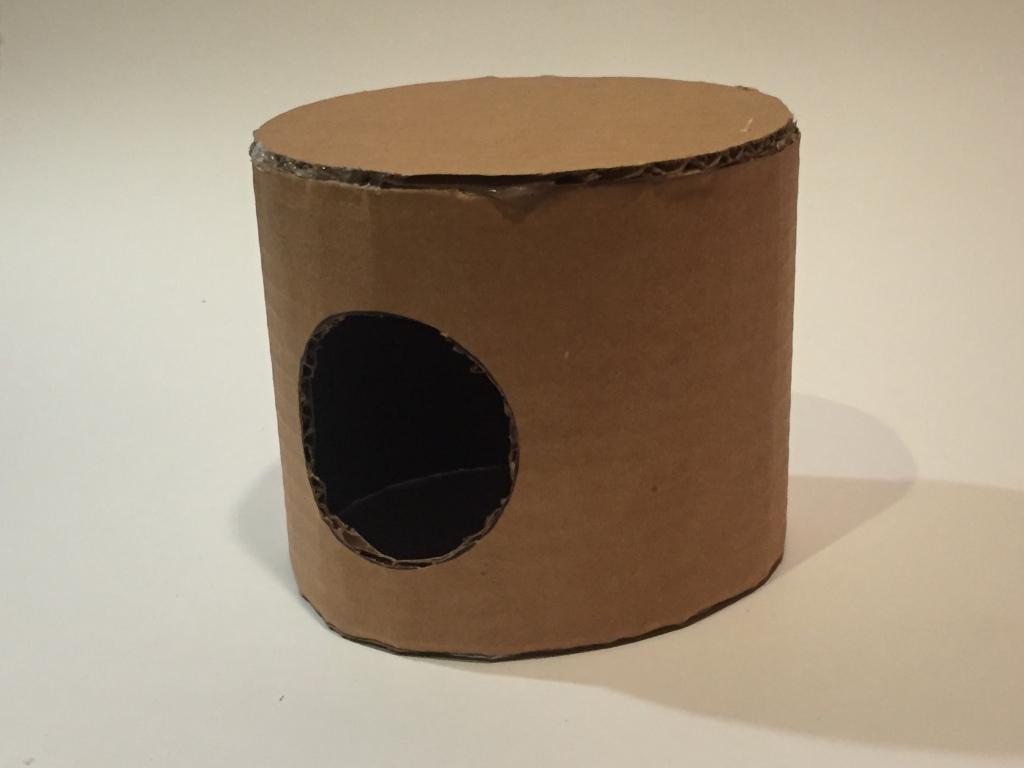
Hello and welcome to the DIY tutorial for this lovely circle house! Today I’ll be showing you how I made this house, with step-by-step instructions so you can recreate it for your own small pets! Let us begin.

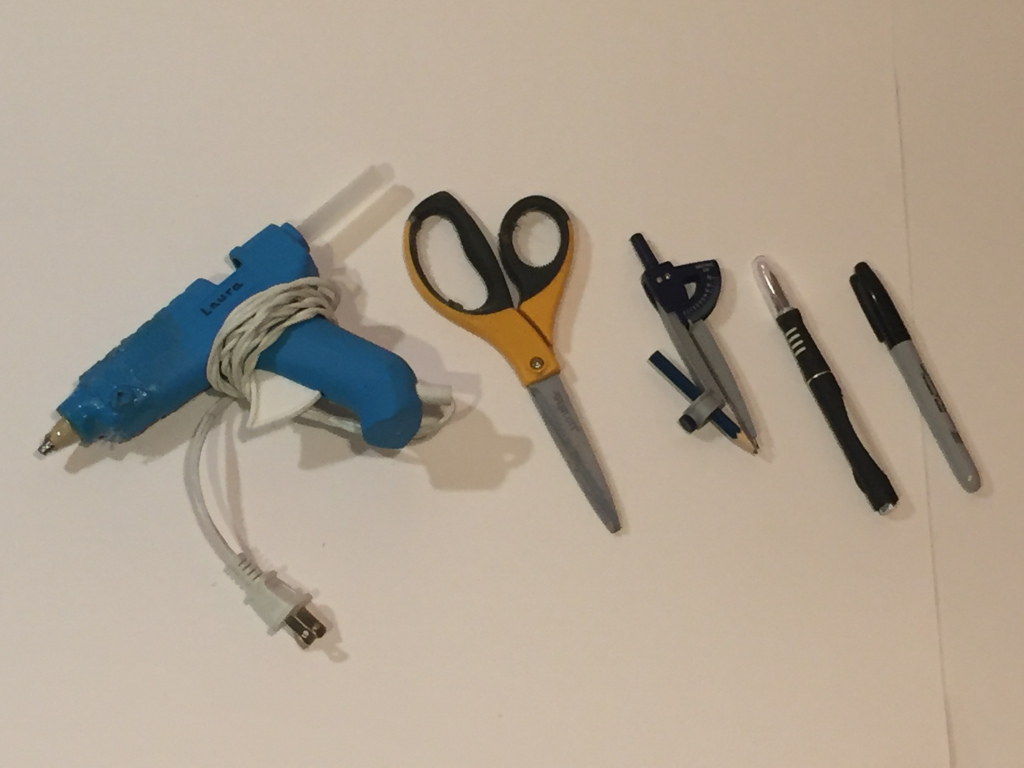
For this project you’ll need:

  • A hot glue gun
  • A ruler
  • Scissors
  • A drawing compass
  • Crafting knife
  • A writing utensil
  • Cardboard
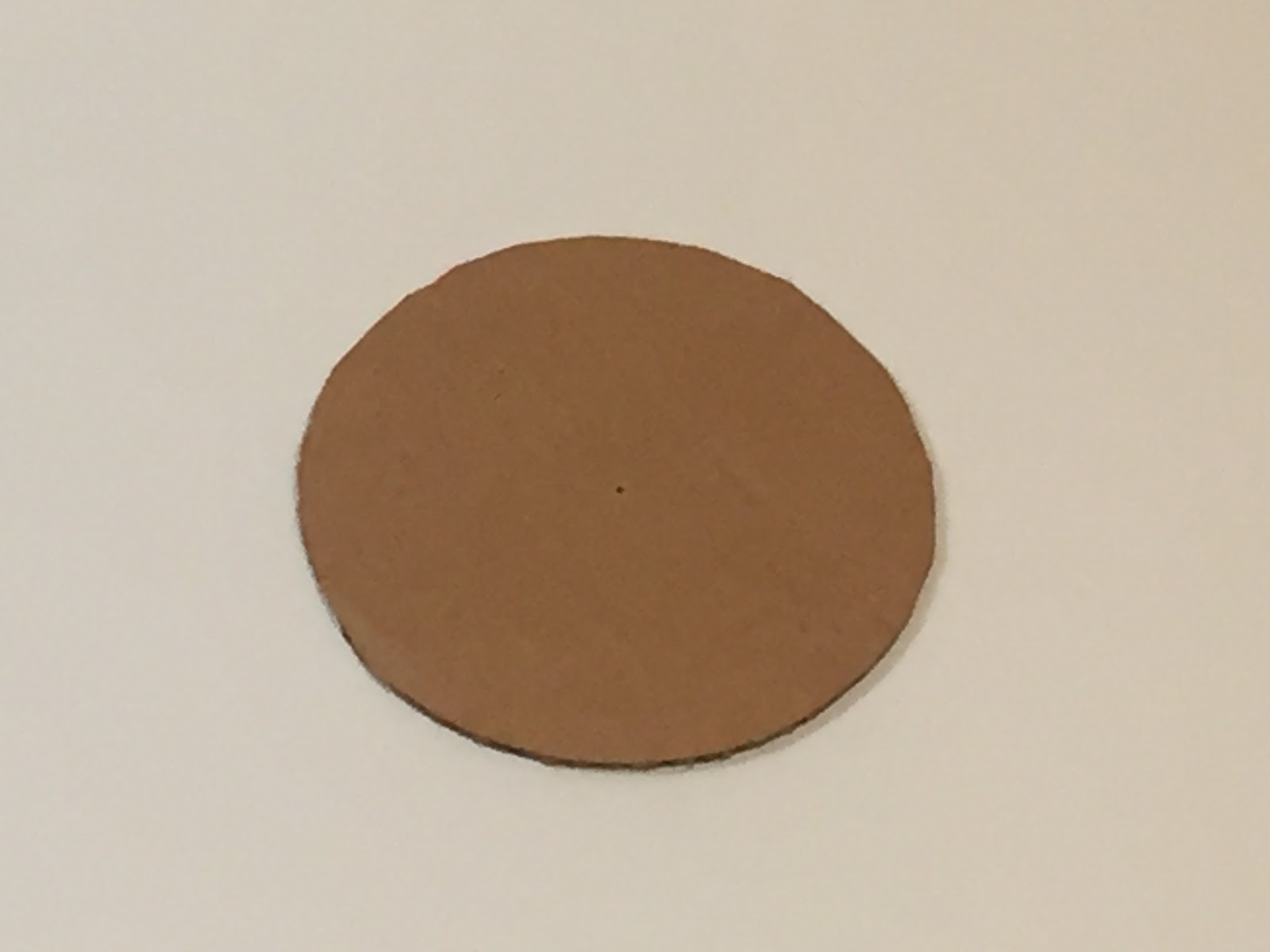
  • Using your drawing compass, draw a 6 inch circle on your cardboard and cut it out. This is the roof.
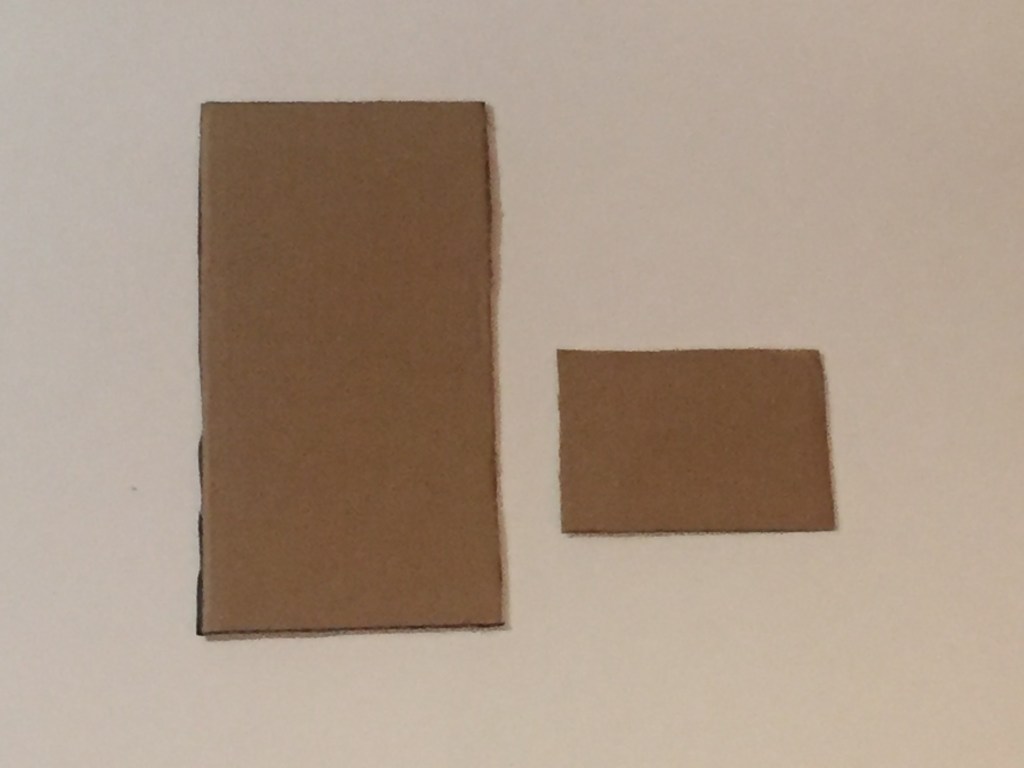
  • Use your ruler to measure and cut out a 5×18 1/2 inch piece of cardboard.
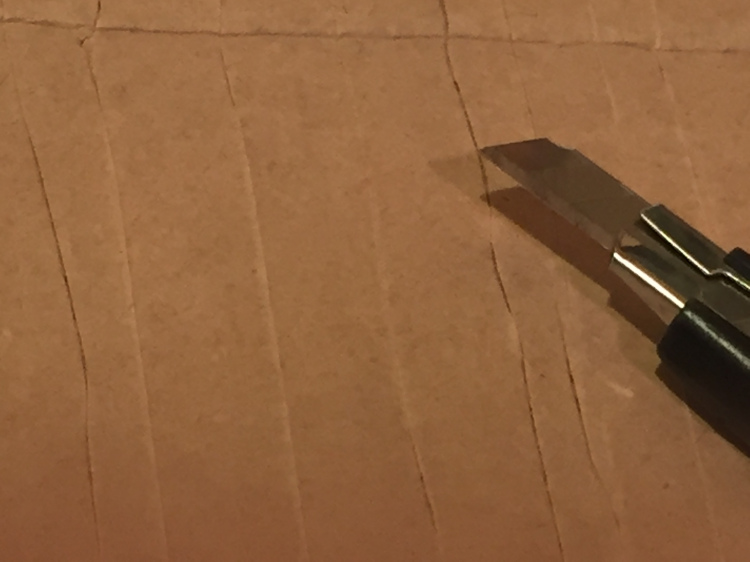
  • Use your crafting knife to cut some grooves into the cardboard as shown above. Don’t cut all the way through.
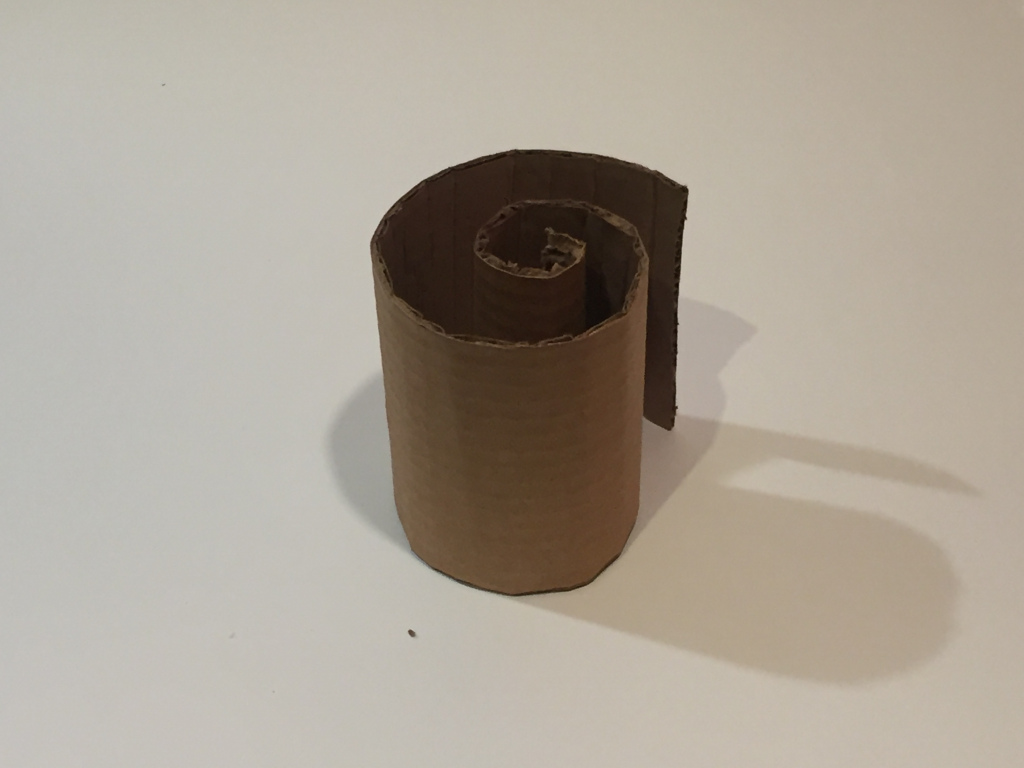
  • Now tightly roll up the cardboard strip. This will make it more flexible and easier to glue onto the roof.
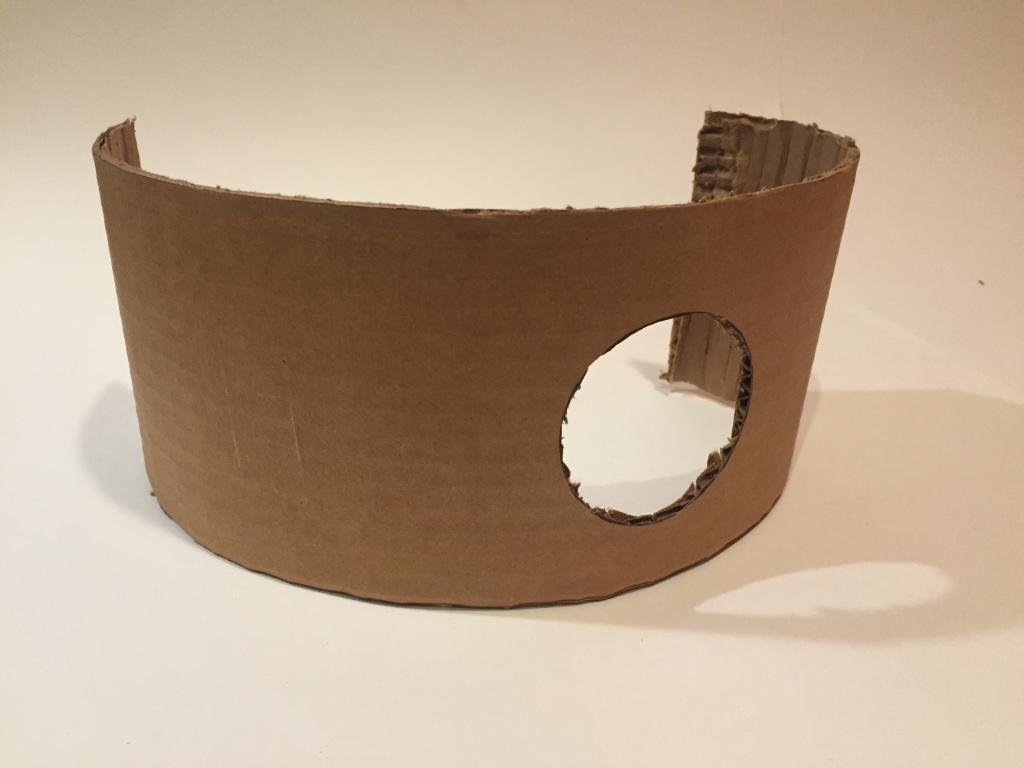
  • Draw a circle with your drawing compass on the strip of cardboard, and cut it out. This is the door.
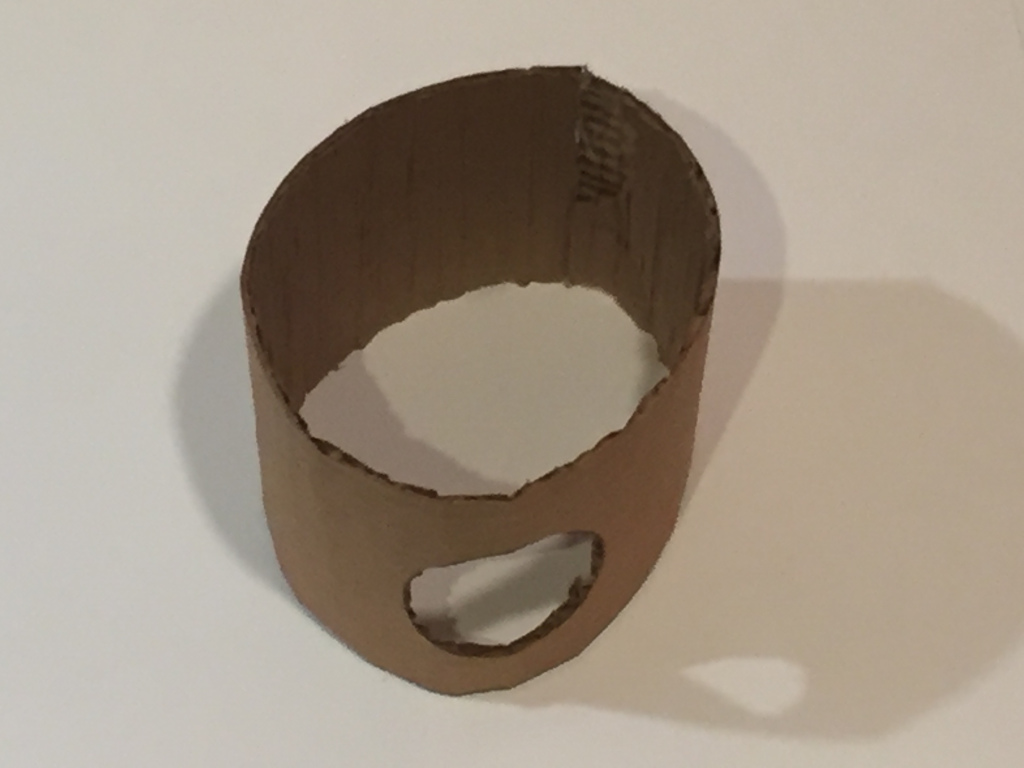
  • Glue the ends of the cardboard strip together. This is the wall. It’s okay if it’s not a perfect circle, we’ll fix that later.
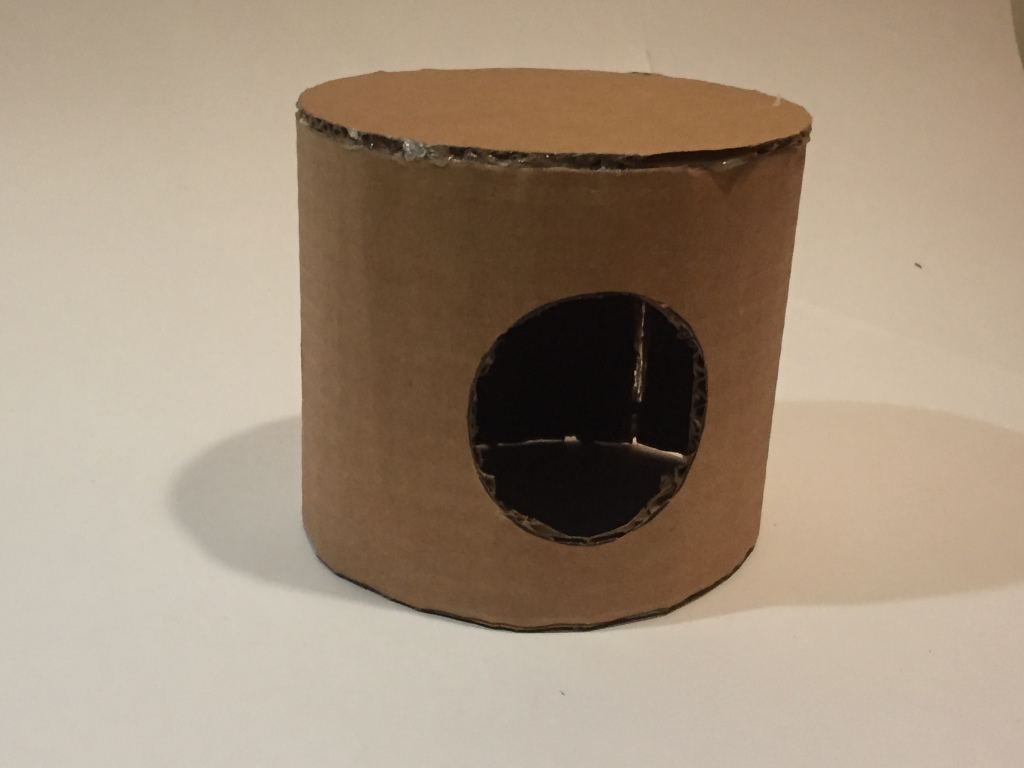
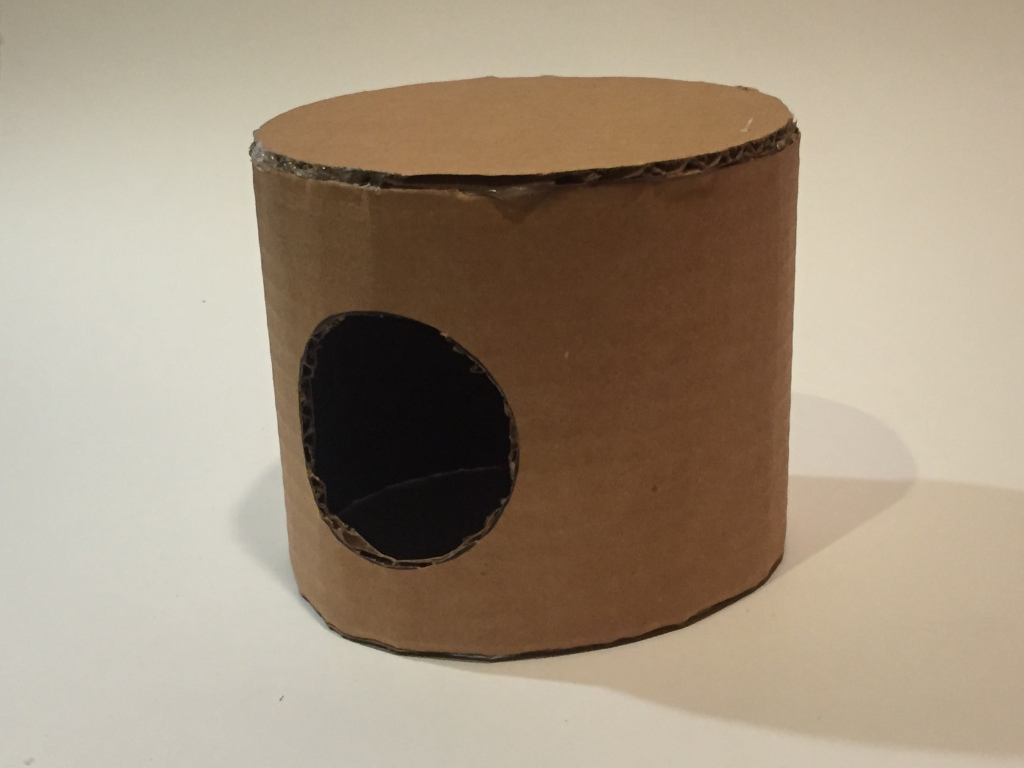
  • Put hot glue along the top edge of the wall, and carefully put the roof on top. If you flip it upside down it can be easier to adjust the roof into place.

And with that, the house is complete! This is such an interesting house, and I hope you and your pets enjoy it 🙂

If you’d like to see how I set up Beanie’s cage with this house in it, click here, and please leave a comment in the ‘Reply’ section down below if you’ve made this DIY for your pet(s)!

If you’re interested in more hamster-related content be sure to like this post and follow the blog, and I’ll be back on Tuesday with more small pet care, DIYs, recipes, cage setups, stories and more, have a ham-tastic day!

DIY Suitcase House Tutorial

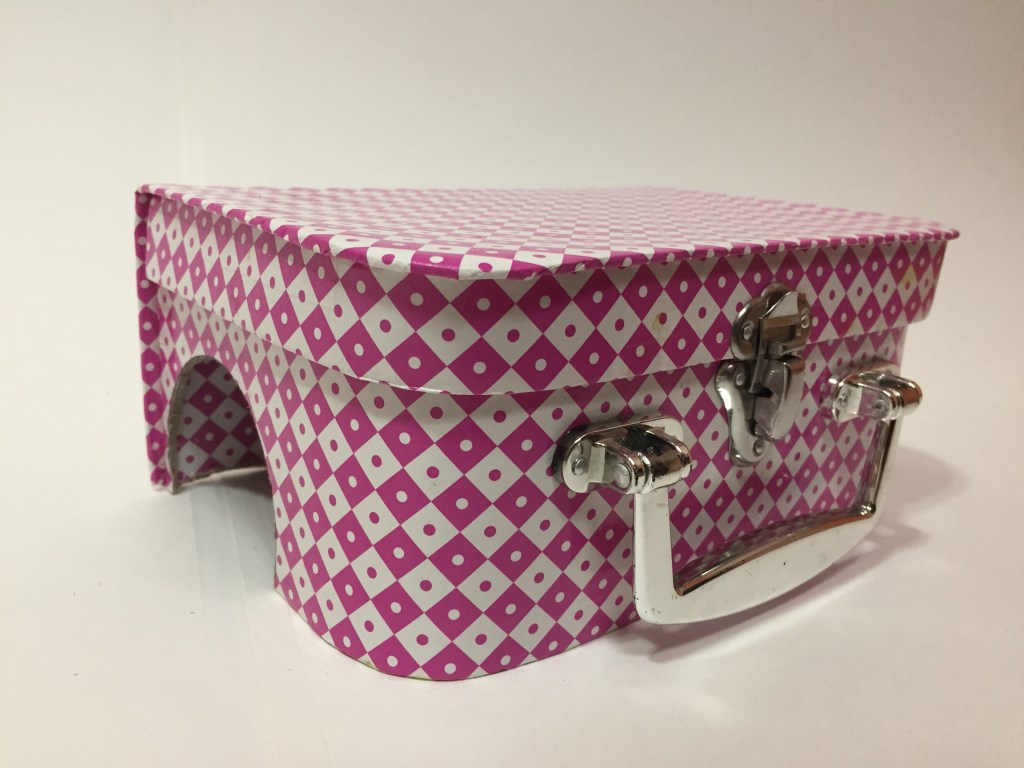
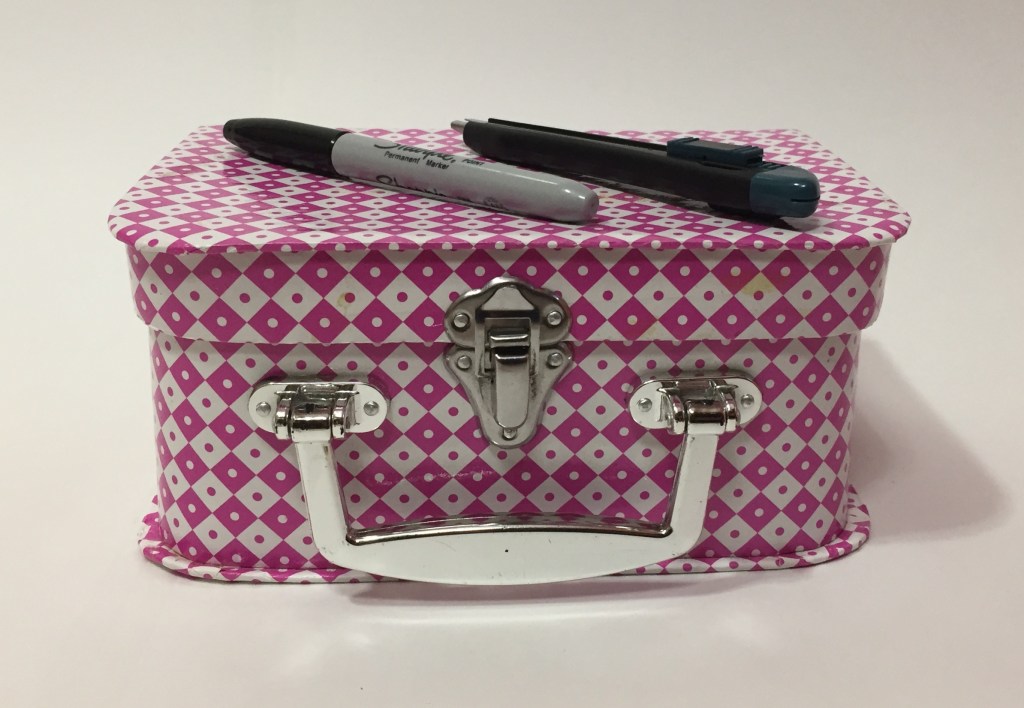
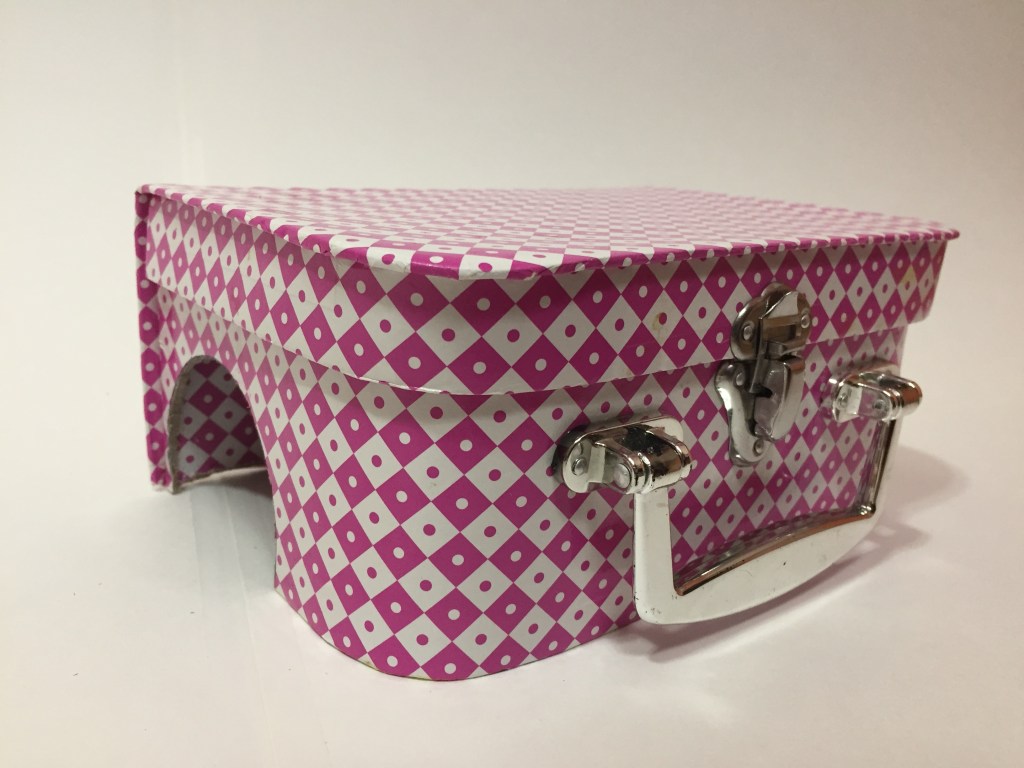
Welcome to this week’s post, where I’ll be showing you how to make a simple (and adorable!) small pet house from a cardboard Dollarama suitcase. Let’s begin!

For this DIY you’ll need:

  • Marker
  • Craft knife
  • Cardboard Dollarama suitcase
  • Doorway template (optional)

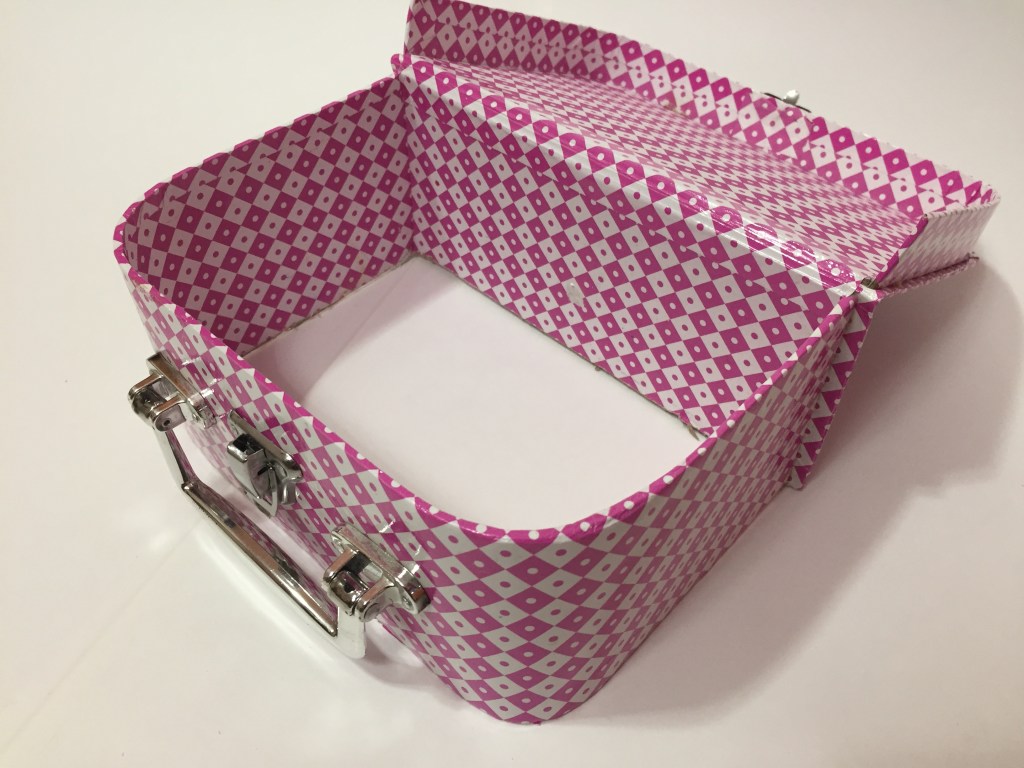
Using your craft knife, cut the bottom out of the suitcase.

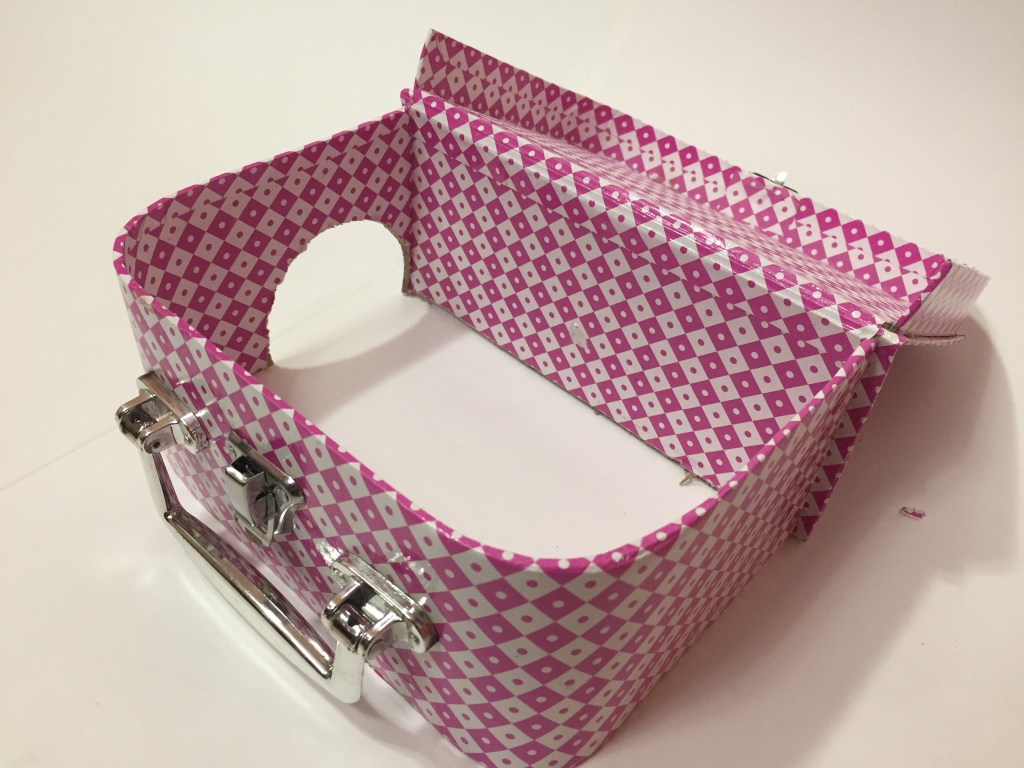
Now draw a door somewhere on the suitcase, and cut it out. I made mine on the side, and used the inside edge of a packing tape roll as a template. You could put the doorway in the roof, side, front, or possibly a corner. You could even add multiple doors!

The DIY is complete! When I saw this suitcase I knew I could do something with it, and I’m quite happy with the result.

If you recreated this DIY please comment in the Reply section below to share your experience and results!

If you’re interested in more hamster-related content be sure to like this post and follow the blog, and I’ll be back on Tuesday with more small pet care, DIYs, recipes, cage setups, stories and more, have a ham-tastic day!

DIY Two-Tiered Tower 2.0 Tutorial

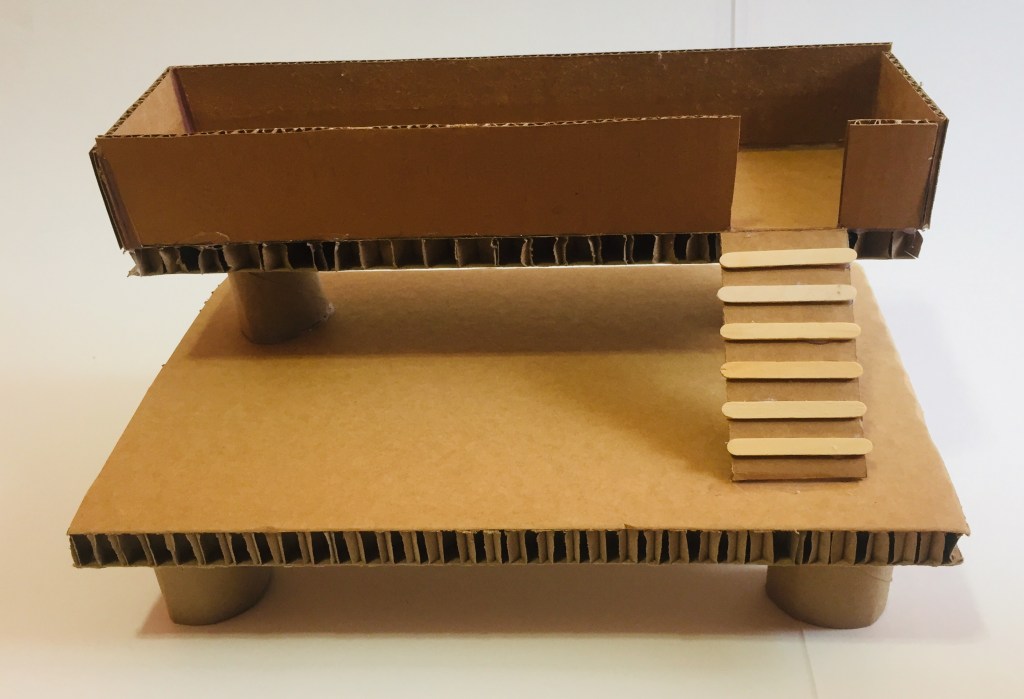
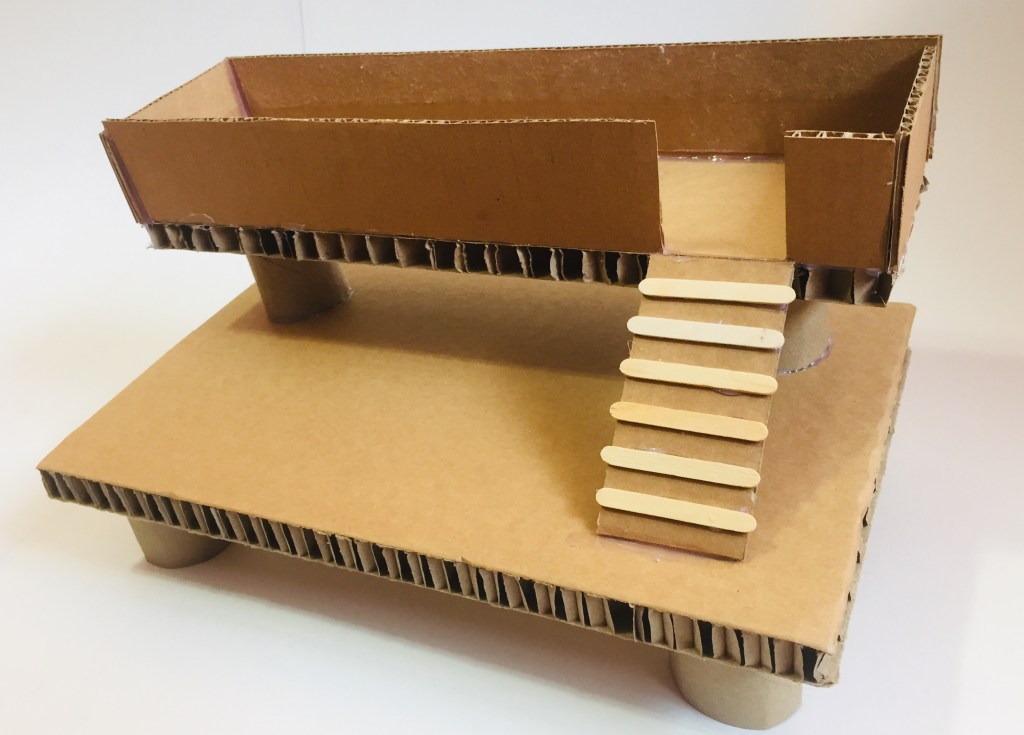
Greetings, and welcome to this week’s post. I’ll be showing you how I created this two-story platform for hamsters. It is more directed towards dwarf and Chinese hamsters, but it the size is acceptable for smaller Syrians.

It has a little fenced-in upper platform with a ramp leading to and from it. Below is a larger platform perfect for a food dish to rest.

Let’s get into the tutorial!

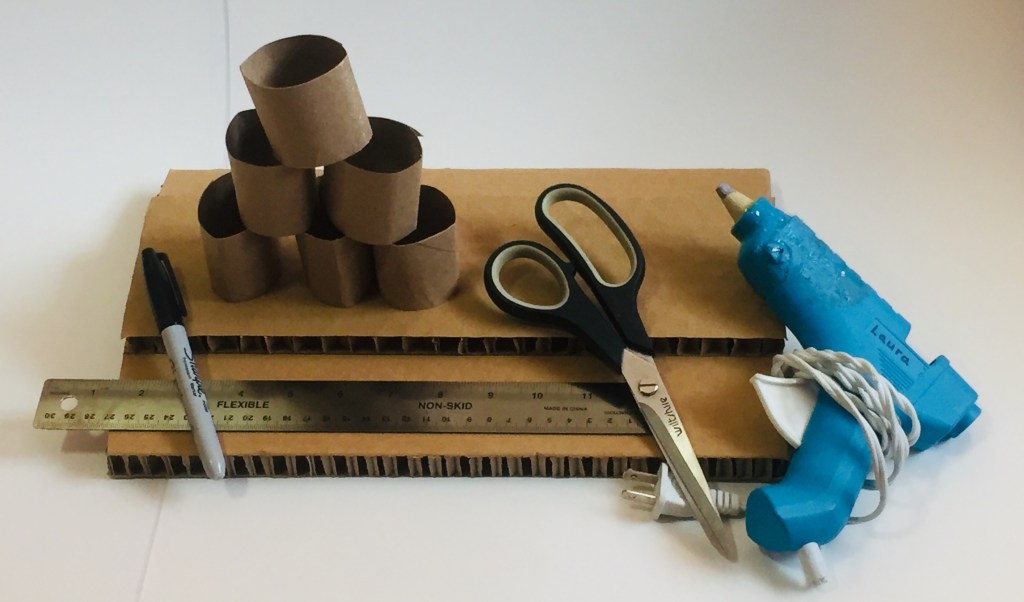
To replicate this DIY, you’ll need:

  • A craft knife (optional, but nice for cutting long pieces of cardboard)
  • Corrugated cardboard (thick and regular)
  • 3 Toilet paper tubes (cut in half)
  • Mini popsicle sticks
  • A writing utensil
  • A hot glue gun
  • Glue sticks
  • Scissors
  • Ruler
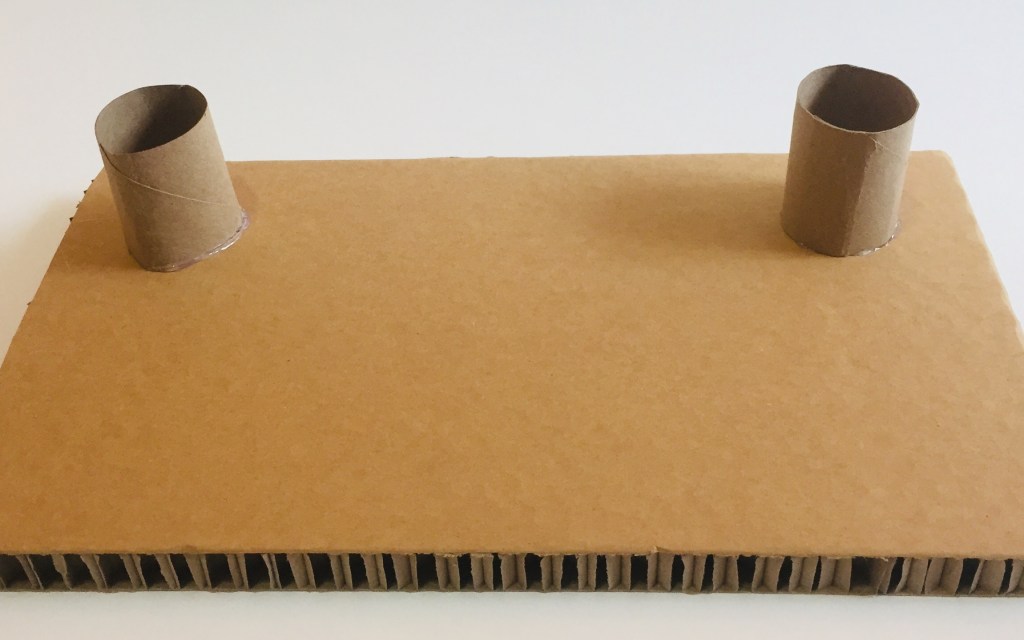
  • Cut a piece of thick cardboard 4″ x 12″
  • Cut a toilet paper tube in half
  • Glue the halves of toilet paper roll to the underside of the cardboard piece, near the back corners. These are the legs.
UPSIDE DOWN VIEW
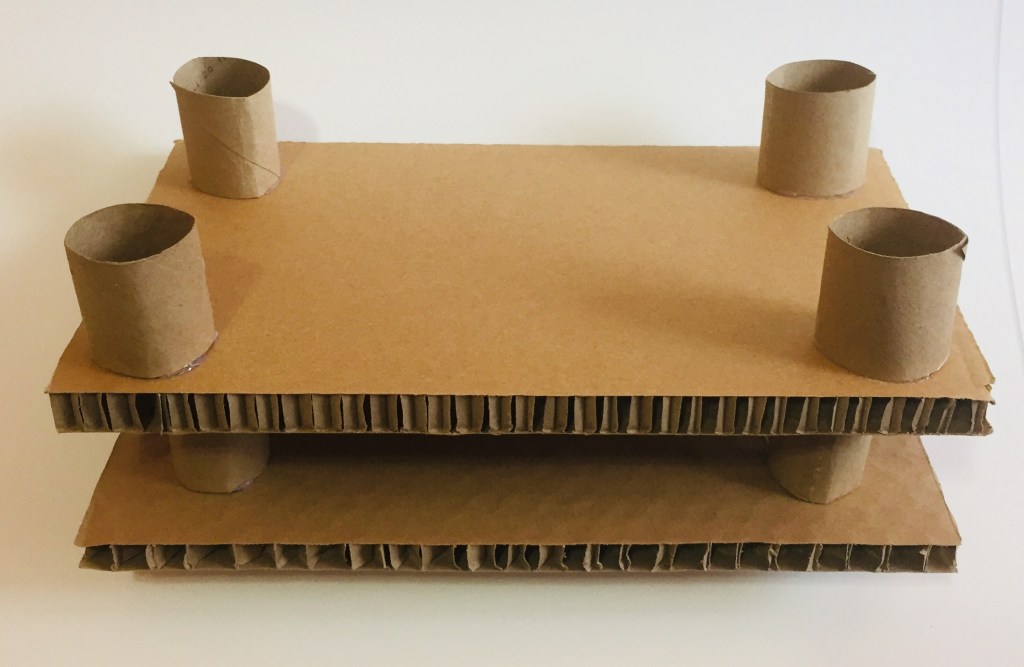
  • Cut another piece of thick cardboard measuring 8″ x 12″.
  • Cut two more toilet paper rolls in half (four pieces).
  • Glue the four toilet paper roll pieces in the corners of the cardboard piece, creating four legs.
  • Glue the smaller, legged, piece of cardboard to the top (legless) side of the larger piece of cardboard.

The image above is a upside down view.

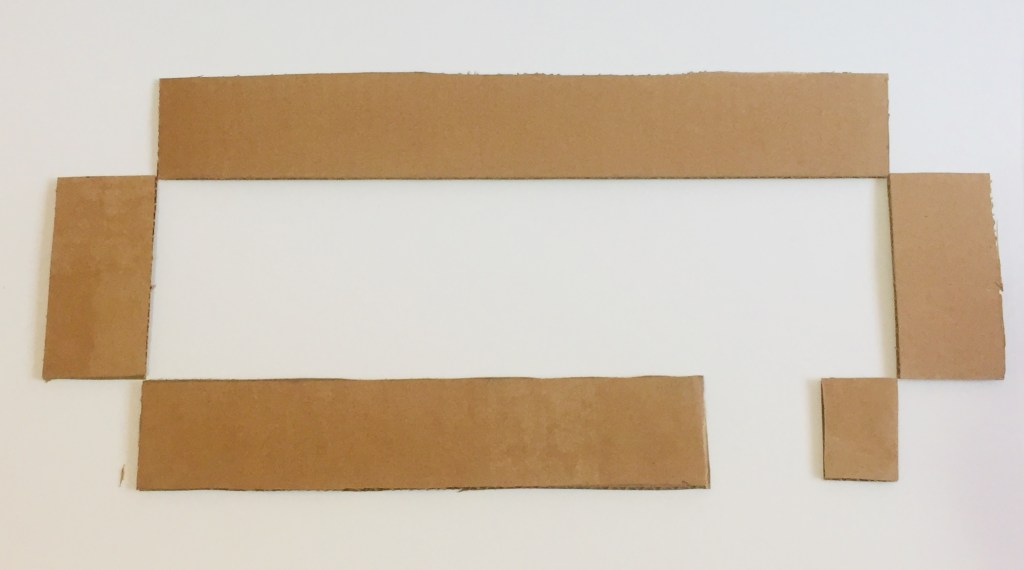
Cut out 5 pieces of regular cardboard measuring:

  • 2″x 12″
  • 9″x 2″
  • 1″x 2″
  • 4″x 2″
  • 4″x 2″

Glue these around the perimeter of the upper platform in the formation shown above.

To make the ramp:

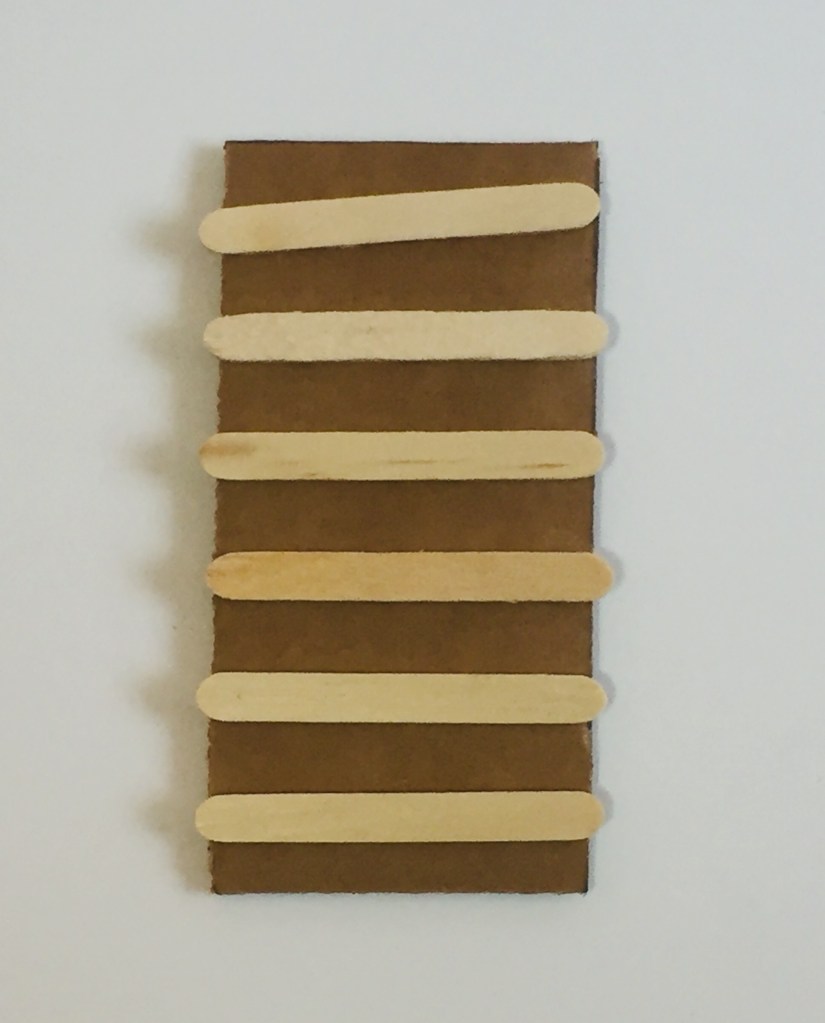
  • Cut a piece of regular cardboard measuring 2″x 4″.
  • Get 6 mini popsicle sticks and glue them to the cardboard (try to evenly space them).
  • Glue the ramp into the ‘doorway’ to the upper platform.

I recommend gluing both at the top and bottom of the ramp for extra stability.

Optional step:

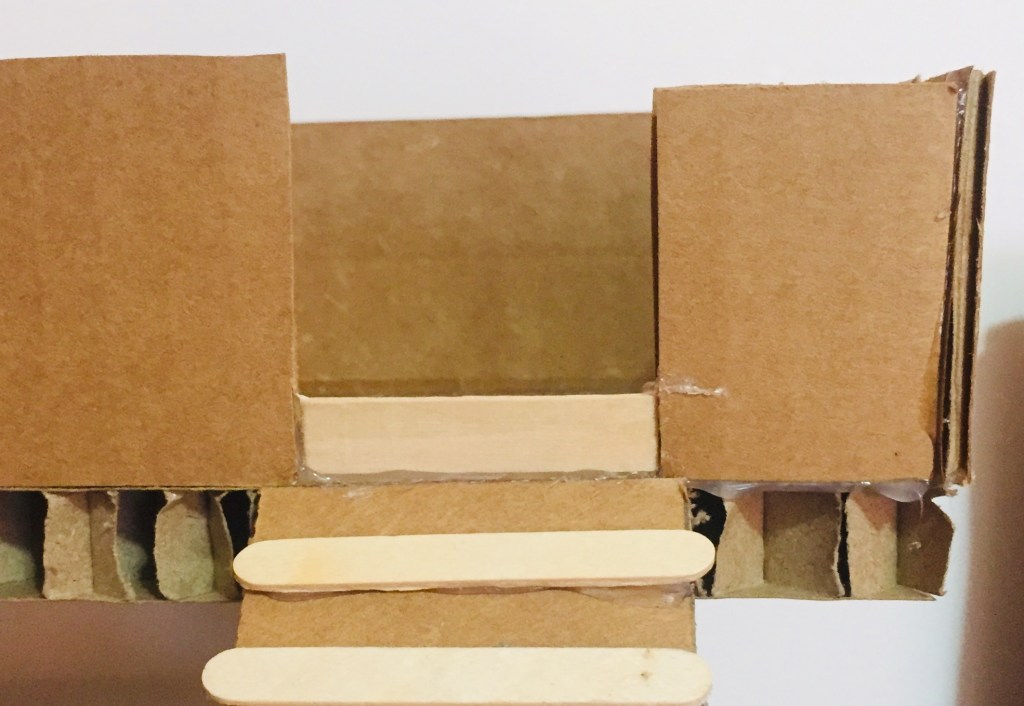
  • Measure and cut a popsicle stick to fit into the second-story doorway.
  • Glue it in on edge.

I did this so I could put substrate in the top level without it spilling out.

And the DIY is complete!

I wanted to make a updated version of the Two-Tiered Tower DIY for my Future Hamster, and I’m really happy with the result.

As always, feel free to make your own changes. If you’ve followed this DIY tutorial, please comment in the Reply section below and share your experience and results!

If you’re interested in more hamster-related content be sure to like this post and follow the blog, and I’ll be back on Tuesday with more small pet care, DIYs, recipes, cage setups, stories and more, have a ham-tastic day!

Related Posts:

Mistakes I Made With Beanie

In January I posted about the worst things I’d bought and/or used with Beanie, but this week I wanted to specifically talk about the mistakes I made. Despite how much research I did before getting Beanie, I made a ton of mistakes with her. I hope by sharing my mistakes you can avoid making them, or be made aware so you can fix any mistakes you’ve made and give your hamster a better life.

I will have posts about these specific topics linked at the end if you’d like to learn more about them 😉

Too Small Cage

As I have mentioned in previous posts, I did keep Beanie in unsuitable cages for the first two months I had her.

The first cage had about 200 square inches of floor space, and was very focused on height, with three additional levels.

Back in the day I believed that levels added to floor space, but this is not true because hamsters benefit from solid floor space since they are burrowers.

To calculate the square inches of floor space in your hamster’s cage simply measure the length and width of the cage base and multiply it. The cage needs to be 450 square inches of unbroken floor space at the minimum. If it is below that there is an easy fix: upgrade your enclosure!

After learning what I was doing wrong I upgraded Beanie to my old fish tank, which had 410 square inches. Beanie was so happy for the space, and after another month I upgraded her to a bin cage with 680 square inches of floor space.

Unsafe Wheel

I once used a wire mesh hamster wheel. I covered the mesh with cardboard to prevent Bumblefoot, a painful foot infection, however, Bumblefoot is not the only danger of those wheels.

Those parallel side-support bars found on wire barred or mesh wheels are a common cause of injury. Hamsters get trapped in those bars, making these wheels unsafe.

Beanie could’ve been seriously hurt on that wheel, but thankfully I upgraded her wheel to a 12″ Comfort Wheel soon after her first cage upgrade and she was never injured.

Unhealthy Diet

When I got Beanie I knew very little about proper hamster diet, so I purchased the cheapest, best looking hamster seed mix in Walmart.

That mix was pretty much pellets and corn, and the Guaranteed Analysis was very low.

About a year after I got Beanie I researched and wrote a blog post about hamster diet. I learned the food I was feeding was terrible, and I upgraded Beanie’s diet to Higgins Sunburst Hamster and Gerbil mix, which Beanie seemed to really enjoy.

Picking Through the Seed Mix

In Beanie’s first diet there were a number of things she didn’t like eating, which I would pick out of the mix.

this is very unhealthy, as it offsets the balance in the mix, resulting in malnutrition or obesity.

When researching hamster dietary needs, I learned this and corrected my mistake.

Not Enough Substrate

For the first few months I had Beanie I didn’t give enough substrate to burrow in. Being a Syrian, she needed 6 inches at the minimum, but I was only giving 3-4 inches. I suppose I thought she didn’t want to burrow because she didn’t try to in the puny amount I was offering.

When I started blogging her Monthly Makeovers I gave her more because I wanted to set a good example, and it was the most rewarding thing ever to see her burrowing happily. Providing enough substrate was really worth it.

Using a Hamster Ball

I had a hamster ball at one point, which I used occasionally for Beanie until I learned how dangerous they are.

Hamsters escape from them, break toes in them, fall down stairs in them, overheat in them, and sometimes get seriously dehydrated when in hamster balls.

Overall, I wouldn’t recommend using hamster balls for any animal. If you’d like to learn more about them I do have a blog post specifically about them, which will be linked at the end.

I made a hamster playpen, and eventually upgraded Beanie to free-roaming, so the hamster ball was never really used.

Conclusion

I made lots of mistakes with little Beanie, and she deserved better. However, I learned a lot about hamsters from her, and without her this blog wouldn’t exist. Thanks to her people can now learn what not to do so their hamsters can have happier lives, and that applies to myself, as well.

I want to make a post like this for every hamster I ever own, because I’m not perfect. I will undoubtedly make more mistakes, even if they’re not as life-threatening as my first few. I hope this post will help educate people so they don’t make the same mistakes I did.

But everybody makes mistakes, the important thing is that you fix them.

I hope this post was inspiring and informative, and if you’re interested in more hamster-related content be sure to like this post and follow the blog, and I’ll be back on Tuesday with more small pet care, DIYs, recipes, cage setups, stories and more, have a ham-tastic day!

Related Posts
Semicircular Small Pet Hut DIY Tutorial

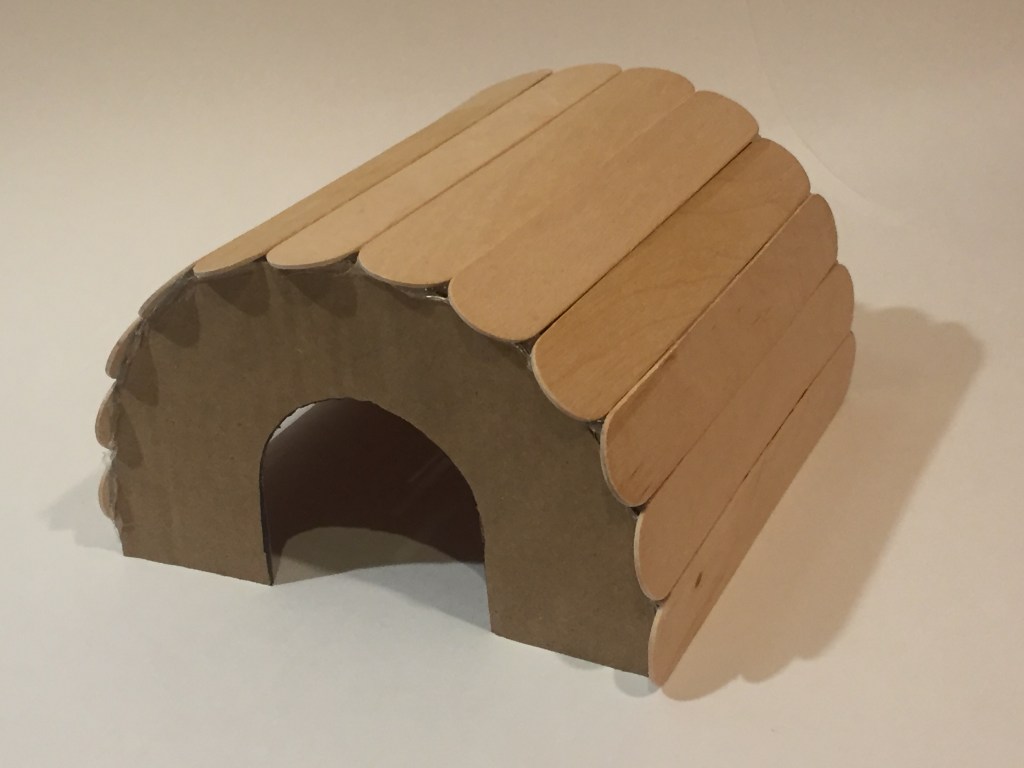
Hello and welcome to a DIY tutorial for this popular small pet hideout! You may have seen wooden versions of this hut before, but today I’m going to be showing you how to make it out of cardboard and popsicle sticks.

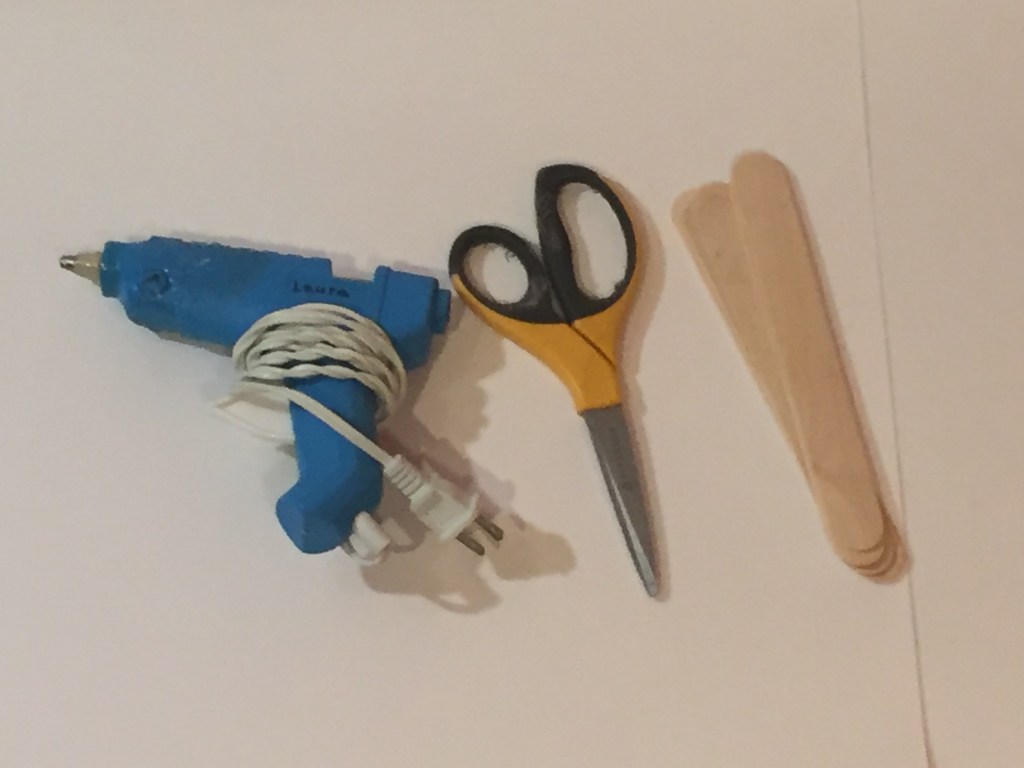
For this DIY you’ll need:

  • Hot Glue
  • Cardboard
  • Scissors
  • Popsicle sticks

You can use giant popsicle sticks like I did, or the original size if you’re making this hut for smaller small pets.

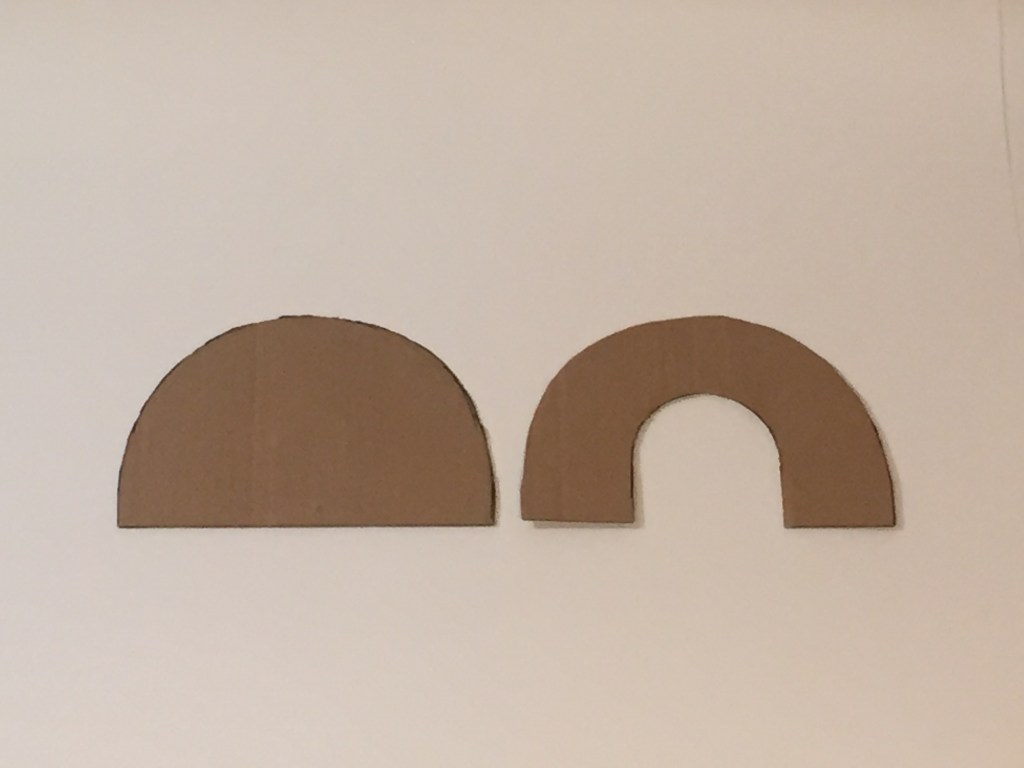
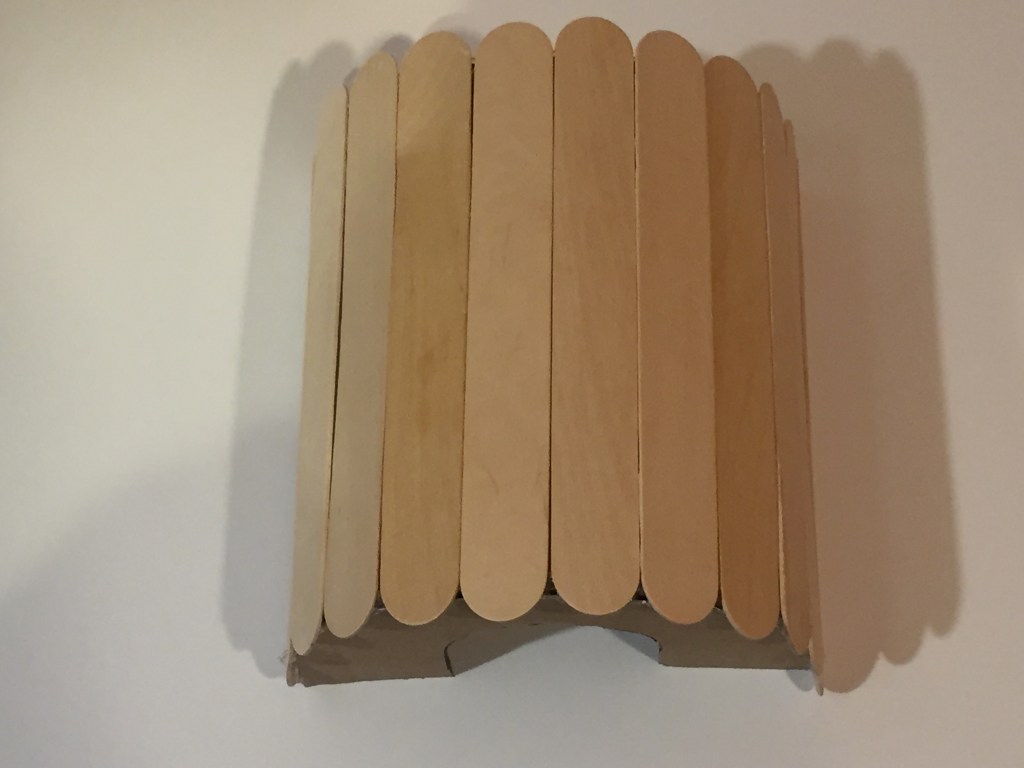
  • First you need two cardboard walls. For these, I didn’t actually measure anything and just drew the desired shape and size of the pieces. To get them identical I traced the first one.
  • Cut a doorway into one of the pieces (See easy tutorial here).
  • Hot glue the sticks over the walls.

And the DIY is done! This type of hut is really fun because you can make them in so many different silhouettes depending on what shape you make the cardboard walls! I definitely want to experiment with that. You could use coloured sticks, and do themed cages! Please comment down below if you’ve tried anything like that, or would be interested in seeing a post with me making different designs 😀

If you’re interested in more hamster-related content be sure to like this post and follow the blog, and I’ll be back on Tuesday with more small pet care, DIYs, recipes, cage setups, stories and more, have a ham-tastic day!

Related Posts:

Keeping Your Hamster’s Nails Healthy

Like humans, hamsters have finger/toe nails which continuously grow. If their nails grow too long they can become ingrown, literally curling around into your hamster’s foot. This is obviously very painful, and if your hamster’s nails become ingrown they must see a vet for treatment. This week we’re going to talk about how to prevent overgrown and ingrown nails and how to keep your hamster safe while doing so.

Preventing Overgrown/Ingrown Nails

To avoid overgrown and/or ingrown nails you must keep your hamster’s nails trim and pristine, and the best way to do this is to provide your hamster with hard surfaces to walk on, such as rock, slate, granite, or tile.

There are many benefits to having a few rocks or slate in your hamster’s cage such as different textures, a cold surface to cool off on, and of course, healthy nails.
Guidelines to Having Rocks in Your Hamster’s Cage

When selecting rocks for your hamster’s cage make sure they don’t have sharp edges or pieces that can easily break off. They should also be big enough that your hamster cannot pouch them (about the same size as the hamster).

You can get rocks from outside, just make sure you wash and sanitize them before you give them to your hamster.

What I find works best for cleaning rocks from outside is washing them with hot water and soap to remove dirt and using a vinegar/water mix to kill any harmful bugs and germs from other animals.

If you have a rock or some larger decorative pebbles from in your house, just wash them with mild soap and water to remove any dust or weird smells.

Rub the rock in your hamster’s substrate to make it smell familiar to them, then put it into the cage. Monitor them for a few minutes to ensure they don’t try to bite/eat the rock.

Any rocks in your hamster’s cage should be cleaned occasionally like with any other accessories and toys. Using soapy water for those little cleans is perfectly fine.

Slate, Granite, and Tile

Slate, granite, and tile are also safe for hamsters! You can usually purchase pieces of granite or tile from hardware or renovation stores, and there are tons of options.

Slate can be found in grocery stores or online, and is usually sold for putting food on. Slate is very fragile!

When you purchase slate, granite, or tile always clean it before offering it to your hamster. Soapy water or vinegar are both good cleaning options, however both probably aren’t necessary.

Conclusion

Keeping your hamster’s nails healthy is very important. By providing sanitized rock, slate, granite, or tile in your hamster’s cage their nails are kept short, which prevents overgrown or ingrown nails. Rock, slate, granite, and tile can all add a little extra texture to your hamster’s cage, help keep them cool, and keep their nails healthy.

I hope this post was helpful, and if you’re interested in more hamster-related content be sure to like this post and follow the blog, and I’ll be back on Tuesday with more small pet care, DIYs, recipes, cage setups, stories and more, have a ham-tastic day!

Substrate Depth

One of the first things you’ll learn when researching hamster care is that they require a deep substrate, but that’s very ambiguous if you ask me. What is substrate? Why do they need deep substrate? What qualifies as deep? With this post I hope to bring clarity to the subject of substrate.

What is Substrate?

Substrate is what most people call bedding, but I refer to it as substrate so it is not confused with nesting material.

Substrate is what you fill the bottom of your hamster’s cage with. It’s for absorbing urine and digging/burrowing.

Why Deep Substrate?

In the wild, hamsters burrow and create tunnels and chambers in which they live. These tunnels are sometimes up to (down to?) 10 feet deep!

The domestic pet hamster still has the burrowing instinct, and that is why we provide deep substrate.

Having substrate for burrowing is very enriching, and a natural behavior we should encourage.

What Qualifies As Deep?

Hamsters usually don’t burrow until they have plenty of substrate available to them, but what is deep?

The bare minimum of substrate for a Syrian or Chinese hamster is 6 inches, and for dwarfs it’s 3 inches. Those are the absolute minimums.

Quite honestly, that just doesn’t seem like enough. How is a hamster supposed to create tunnels with that little substrate? There’s a simple solution: add more substrate!

Hamsters actually tend to burrow when they have 8+ inches of substrate, and you wouldn’t believe how happy it makes hamster owners when they see their pet burrowing. Trust me, it’s so rewarding!

There is also no reason not to add more substrate, and the sky’s the limit (the lid of your cage is, actually)!

Key Points

  • Hamsters tend to burrow when they have 8+ inches of substrate, so don’t assume they don’t want to burrow if they’ve never had enough substrate to actually burrow.
  • In the wild hamsters create intricate tunnels as deep as 10 feet!
  • You can never provide too much substrate.
  • Substrate is used for burrowing and absorbing your pet’s urine.

If you’re interested in more hamster-related content be sure to like this post and follow the blog, and I’ll be back on Tuesday with more small pet care, DIYs, recipes, cage setups, stories and more, have a ham-tastic day!

Staircase Hidey House and Climbing Toy DIY Tutorial

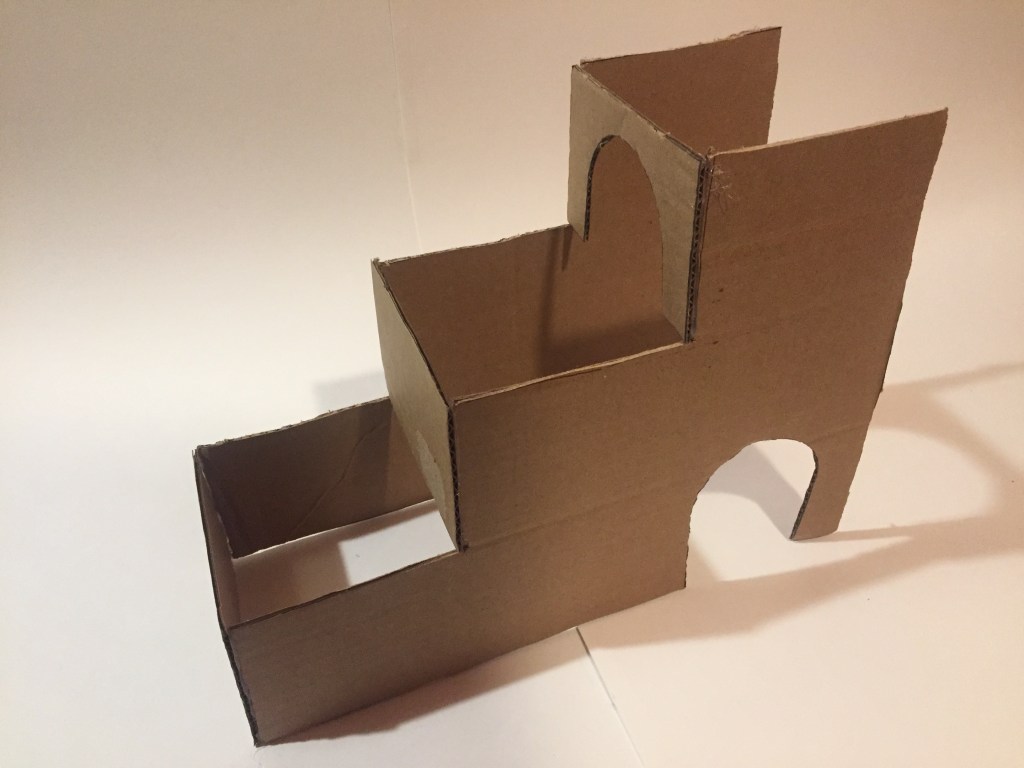
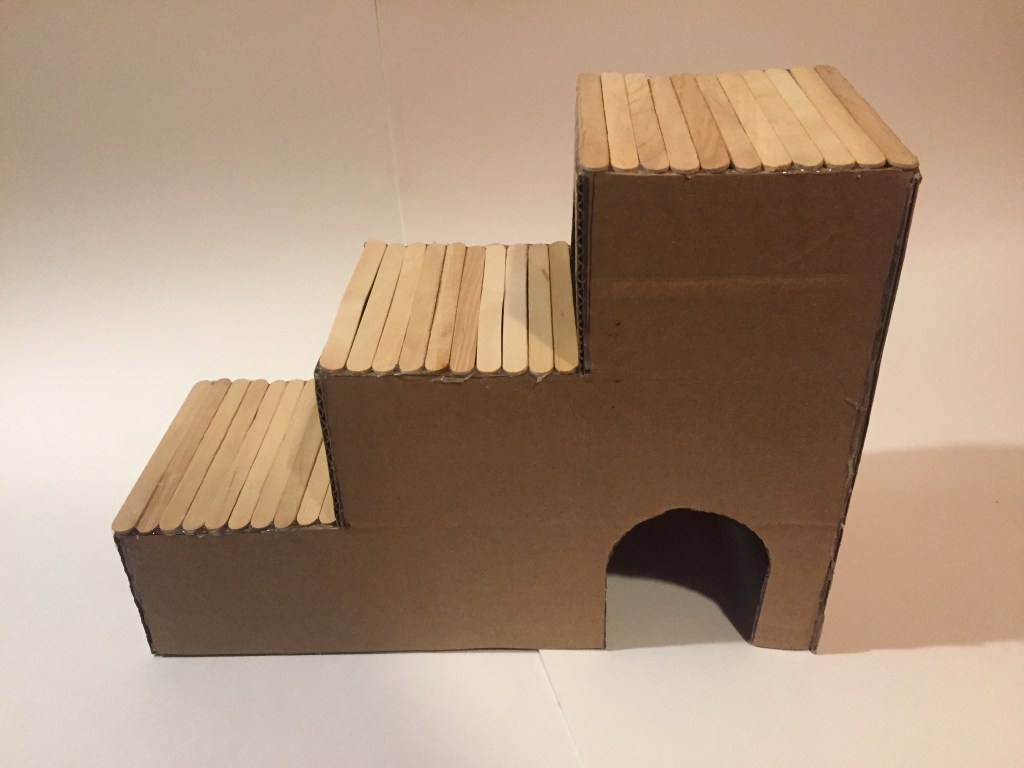
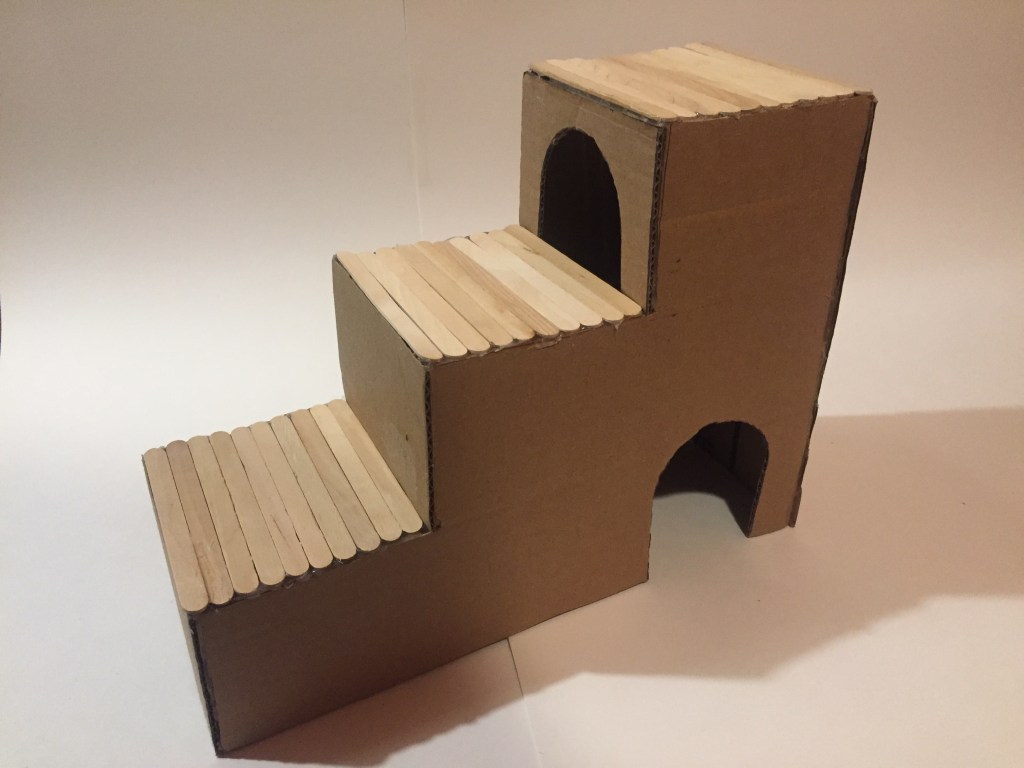
Hello and welcome to a very interesting DIY tutorial for this staircase-like hidey house and climbing toy for small pets. I saw a natural, wooden hidey house resembling this the other day, and I thought it would be pretty fun to DIY!

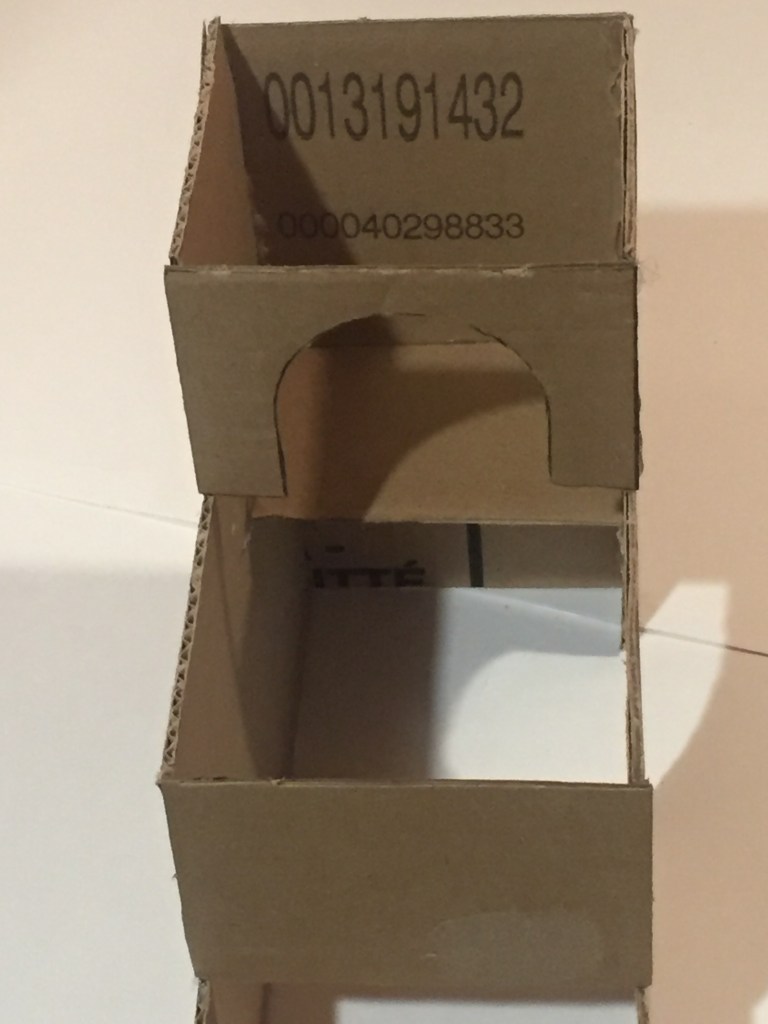
I did change the design slightly from the original toy I saw, adding a shelf inside leading to an upper door. I’m including the measurements to make this toy for all hamster species, gerbils, and mice.

I have related posts, such as the cage makeover I use this toy in, linked at the end for your viewing pleasure!

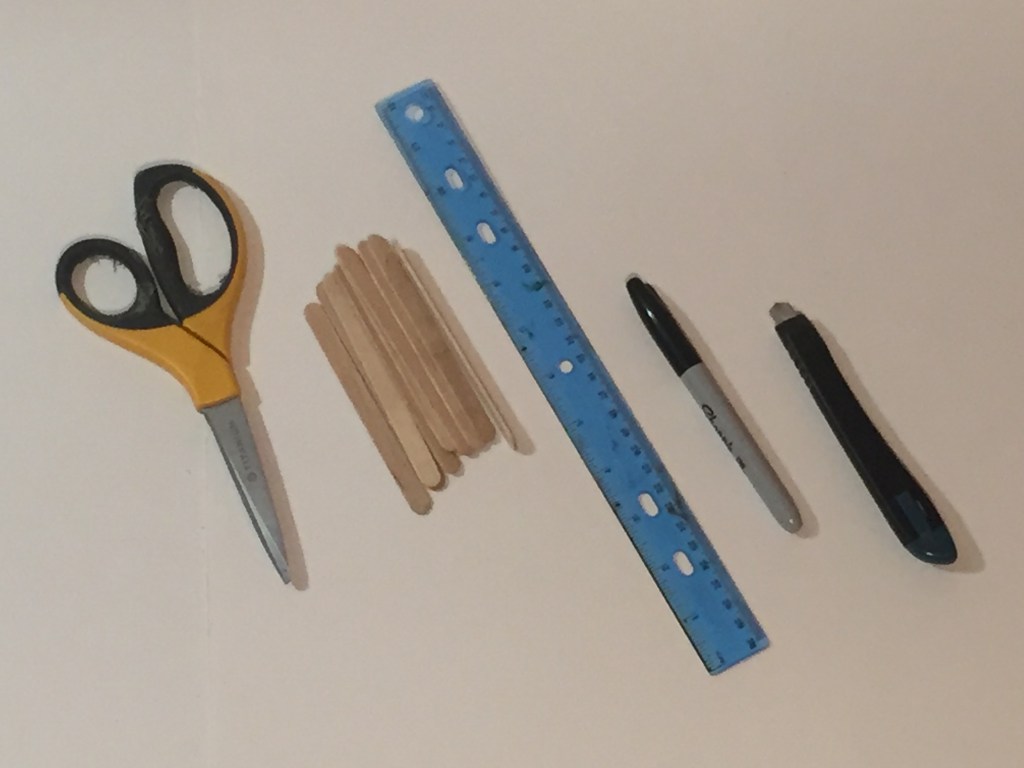
For this project I used:

  • Cardboard
  • Hot glue
  • Scissors
  • Popsicle sticks
  • A ruler
  • A dark marker
  • A crafting knife
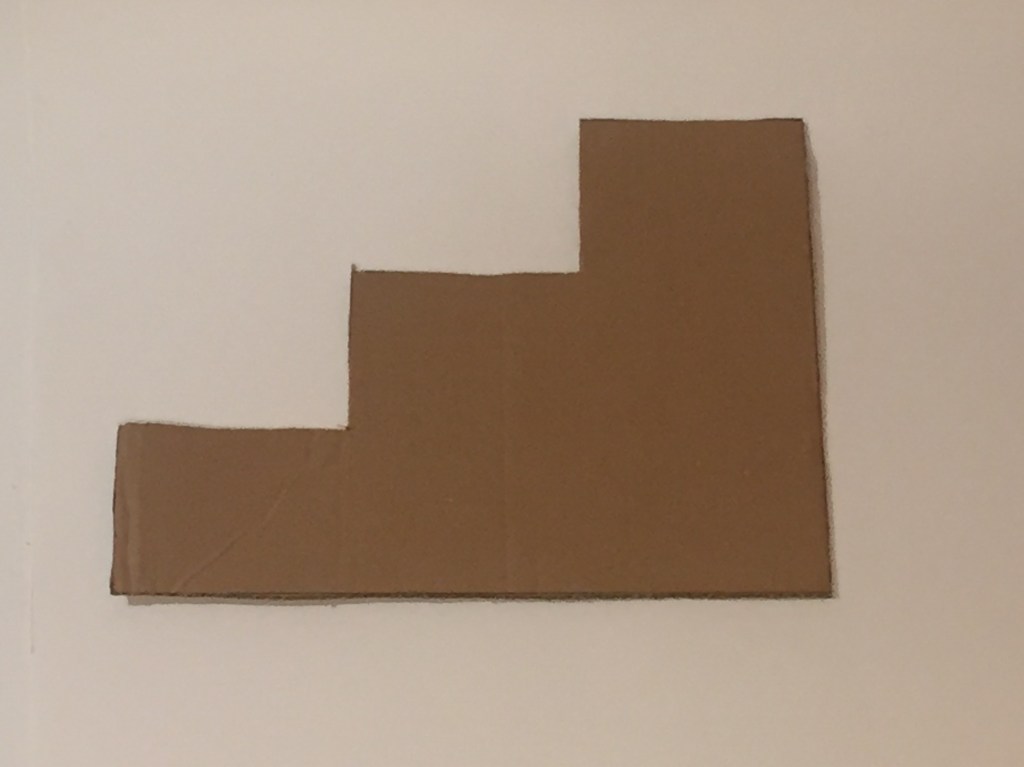
  • First you’ll need to measure and cut out two pieces of cardboard like this.

For Syrian hamsters and gerbils, the measurements are:

  • 12 inches long
  • 9 inches tall
  • The top of the steps are 4 inches long
  • The height of the steps is 3 inches high

For Dwarf hamsters and mice:

  • 9 inches long
  • 6 inches tall
  • The top of steps 3 inches long
  • The height of steps 2 inches tall
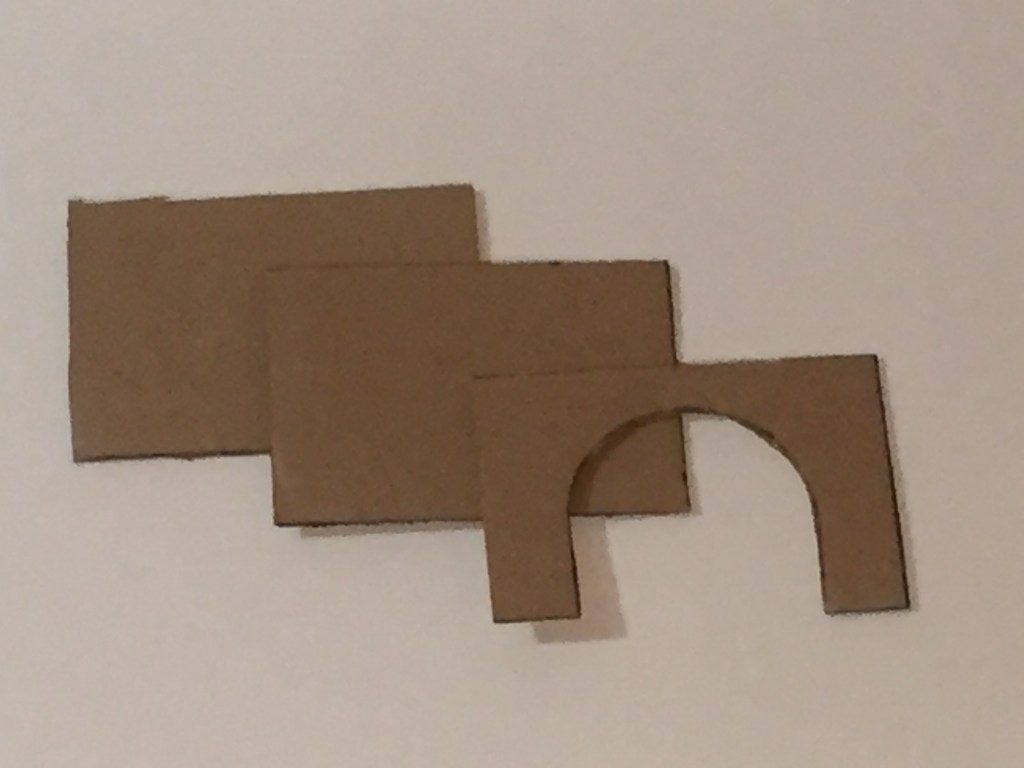
  • Cut a doorway in one of the pieces.
  • Next you need to cut out three identical pieces of cardboard, and cut a doorway into one.

The measurements are:

  • 4×3 inches for Syrian hamsters/gerbils
  • 4×2 inches for Dwarf hamsters/mice
  • Now you’ll need to cut out the back piece and shelf.

For Syrian hamsters/gerbils:

  • Back piece 9×4 inches
  • Shelf 3×4 inches

For Dwarf hamsters/mice:

  • Back piece 6×4 inches
  • Shelf 4×2 1/2 inches
  • Heat up your glue gun and begin assembly.
  • Glue the three identical pieces onto the vertical sections of the steps.
  • Now glue on the back piece and shelf (basically just guess what height to put the shelf, make sure your pet can jump up to it).
  • Glue popsicle sticks onto the horizontal surfaces of the steps as shown above.
  • Once everything is assembled it should look something like this.
  • Pull off all the nasty hot-glue-strings.

And with that, the DIY is complete! I got to use it for the first time in Beanie’s November Cage Makeover, and if you’re interested in seeing this DIY in a cage setup be sure to check out that post, which I’ve linked below for you.

This toy is really beneficial since it provides the comfort of a hideout and the enrichment of a climbing toy. It’s exceptional for Syrian hamsters and mice, who particularly enjoy climbing.

If you DIYed this DIY or something similar please comment down below and share your experience!

If you’re interested in more hamster-related content be sure to like this post and follow the blog, and I’ll be back on Tuesday with more small pet care, DIYs, recipes, cage setups, stories and more, have a ham-tastic day!

Related Posts:

  • How To Create a Cute Arched Doorway For Your DIYs
  • The November Cage Makeover

Tips For Using Shelves In Your Hamster’s Cage

Today I’m going to be addressing giving your hamster shelves. These tips will help you have a good shelf-using experience 😀

Shelves and platforms are different. Platforms are level with the substrate.

Hamsters are not very good at climbing, so if you decide to have shelves in your hamster’s cage make sure they have long ramps (not ladders) that go to and from them.

You shouldn’t give pairs of hamsters shelves. Sometimes hamsters will become territorial over them and fight.

Shelves do not count towards the square inches of your hamster’s cage. The cage needs to be 450 square inches (width times length equals square inches) plus the shelves.

Shelves are great enrichment for small pets, just remember to do your research prior to installing them 😉

As always, if you’re interested in more hamster-related content be sure to like this post and follow the blog, and I’ll be back on Tuesday with more small pet care, DIYs, recipes, cage setups, stories and more, have a ham-tastic day!

Sources:

Design a site like this with WordPress.com
Get started