The First 24 Hours With Beanie

When we arrived home with my new hamster we wrapped her cardboard carrier box in a jacket and whisked her inside. I washed my hands free of all germs with a nice gushy soap, then we headed to my bedroom where the cage was located, and we opened the box and peeked in at little Beanie.

Getting Bitten

All I wanted was to feel that cloud-like fur again! I reached inside the box and let her sniff me, then there was a slow-motion moment of her leaning forward, sniffing, looking repulsed, kind of snarling, then she bit me. It didn’t really hurt much, just a bit of a pinchy sensation. The worst part about getting bitten was that sickening kind of crunchy-chomp noise as my flesh gave way to her sharp incisors.

She got me right under the edge of my middle fingernail, and I immediately started bleeding. I rushed to the bathroom and cleaned the wound with antiseptic, bandaged it, and went back to find my siblings had gently dumped Beanie into the cage from the little box. I couldn’t help but feel disappointed.

My disappointment evaporated as I watched the tiny hamster explore her new cage. She was so little and curious and cute, I was already in love with her! My sister and I stayed up late that night just admiring the precious little rodent now in my care.

Why I Dislike Wire Cages

After Beanie discovered her eight inch wheel that fit her very well at the time she spent most of the night running on it, until she had to use the bathroom. Since her first cage was an awful 3 tiered wire cage she just backed into a corner and sprayed pee all over the floor. We stared a moment, then my sister started shrieking with laughter as I got some paper towels. I don’t believe I will ever have another wire cage.

How To Really Catch An Untamed Escapee Hamster

Beanie explored the cage, ate, drank, and appeared to be very well settled, so we went to bed. My bedroom floor is covered with those colourful foam puzzle mats, so you can hear footsteps on them. At 6:00am the next morning I was awake, not sure why until I realized I heard footsteps scuttling across the mats. I peeked over the edge of my bed and saw a little whitish blob moving across the floor. I lay still a moment considering the options. The Plan Of Action:

  1. Barricade the hamster in a corner.
  2. Build a bucket trap.
  3. Wait for the hamster to go in.

I spent an hour barricading the hamster in a corner and making the trap with my 10 inch Home Depot bucket to discover she had squeezed past my barricade. So much for that idea. I recalled the decaf coffee I’d drank last night, and how I still had my cat mug in my bedroom. The New Plan Of Action That Actually Worked:

  1. Get my cat mug.
  2. Smear peanut butter in the bottom.
  3. Locate hamster.
  4. offer mug.
  5. Scoop/let hamster get into mug.
  6. Put hamster back into cage in mug.

Plan #2 worked like a charm and took 5 minutes, definitely recommend! So when I put Beanie back into her cage she climbed to the second level, scaled the bars and squeezed through a wider gap in the bars, where I caught her in her hamster ball. (I do not use hamster balls anymore and do not recommend them for safety reasons.) I located a piece of wire and fastened it in the gap to prevent any more escaping, then put little Beanie back. I honestly think anyone who uses the bucket trap method is wasting their time. I have a DIY Cardboard Hamster Trap coming soon to the DIY section, try that out too.

The next morning Beanie ran in her wheel until noon, then she went to sleep. She apparently didn’t care about anything but being fit.

I then gave her three full days and nights to settle in until I began taming.

I hope you found this post informative and entertaining. If you’re interested in more hamster-related content be sure to like this post and follow the blog, and I’ll be back on Tuesday with more small pet care, DIYs, recipes, cage setups, stories and more, have a ham-tastic day!

Summary:

  • I think there are faster ways to catch a hamster than the bucket method.
  • Hamster balls are unsafe, hamsters are known to catch their toes in the ventilation holes.
  • Expect your new pet to love having their own wheel!
  • Don’t wash your hands with pomegranate scented soap 🙄
  • Handle being bitten calmly; leave the hamster in a safe enclosed space while you treat a bite with antiseptic and bandaids.
  • Be prepared to be picking/cleaning things off your floor if you have a wire cage.

Adopting Beanie, My First Hamster

I had been researching, DIYing and buying hamster supplies for almost a month when the exciting day arrived. The day I would get my very first hamster. He was going to be a male, brown or black eyed, Golden, shorthaired Syrian, and I wanted to name him Sunchip.

On Saturday, February 9th, 2019 my family and I left to get my hamster. After the seemingly eternal drive we arrived at a pet shop and hurried inside. I struggled to contain my excitement as I rushed to the hamster section, where I was told by  Employee-Dude that they had no male hamsters, to prevent accidental litters. Oh well, I’d get a female. We had checked another shop but their hamsters were too young to sell, so I was limited to the selection in the one store.

I browsed the hamsters. I saw a pretty Black Syrian, and several Golden Syrians, and I admired the adorable Roborovskis. Then I caught a glimpse of a Mink-Banded Syrian, fast asleep with her siblings in a plastic igloo. She was longhaired, but I still decided to take a look at her.

Employee-Girl took the little mink-banded hamster out. I realized she had red eyes, not super red, but more of a burgendy. The hamster peed on Employee-Girl, who was probably thinking she was losing a sale because hamsters pee like any other living thing, and the hamster leaped from her pee-covered hands and fell four feet onto the cement floor. I was immediately concerned, but the hamster seemed fine. Employee-Girl quickly scooped her up and I held the adorable little hamster, who proceeded to poop on me.

I was not phased by a little hamster poop because I was stuck in awe-mode. Her soft fur, prickly little claws, twitchy little pink nose, tiny toes, and beige and white coat! She was more than amazing. It was indescribable. I knew that this feisty, adorable, soft, precious, marvelous hamster had to be mine. While I was in another world the hamster started to squirm, as she wasn’t tame, and she brought me back to the present.

Employee-Girl gently took my hamster from me and returned her to the tank. I knew she was the one, and I didn’t need to hold any more hamsters. I excitedly told Employee-Girl I wanted the hamster, and while Employee-Girl left to get a carrier box Employee-Dude came over and started talking about hamsters. He said something along the lines of, “Syrian hamsters hate tubes and will get stuck in them, and Russian Dwarf hamsters are more aggressive.” I knew he was gabbing false information so I nodded politely trying not to start blasting hamster care information at him. After all, I was just the customer who knew nothing about hamsters and had only spent a month researching their care.

When Employee-Girl came back she put my hamster into a cardboard carrier with some bedding and Oxbow kibble. We signed a paper and headed to the front desk. After paying we wrapped the box in a jacket because our Februaries are always nasty, and we carefully dashed to the car and set off for home with my female, red eyed, Mink-Banded, longhaired Syrian hamster, named Beanie.

Some Thoughts:

  • I should have bought/brought a hard plastic carrier; hamsters are known to chew out of those cardboard boxes and get lost in cars.
  • Don’t expect to get the same colouration as you planned!
  • Always get the species you planned on getting, no matter how cute the other species are.
  • Have everything set up at home so you can get your hamster into the cage ASAP.
  • Do all of your own hamster care research.

This post was so much fun to write, and I hope you enjoyed it! If you’re interested in more hamster-related content be sure to like this post and follow the blog, and I’ll be back on Tuesday with more small pet care, DIYs, recipes, cage setups, stories and more, have a ham-tastic day!

All About Hamster Seed Mixes, Healthy Ways to Treat Your Hamster, And How To Enrich Your Small Pet Using Their Ordinary Seed Mix.

     Hamsters are thought to be granivorous, meaning they live solely on seeds and grains, which is just not true. Hamsters require a balance of animal proteins, seeds, nuts, and fresh fruits and veggies. Before you go and purchase a seed mix be sure to find out what the appropriate mix needs to contain.

Whole Ingredients

First examine the mix itself. If the packaging prevents you from seeing the mix maybe don’t get that one. You want raw variety, meaning plenty of different whole foods. Whole foods are the ingredients that have not been pelleted, flaked, or kibbled.

Whole foods provide the hamster with different textures which satisfy their instinct to forage, even if you’re bowl feeding. The more whole foods you provide the better, and never pick things out of the mix!

Guaranteed Analysis

Check the Guaranteed Analysis section on the packaging. If your hamster is under 6 months old they should have 20%-24% protein in the diet, and older hamsters around 17%-19%. Roborovski Dwarfs are suspected to like 20% even if they’re over 6 months due to their fast metabolism. The fat content needs to be 5%-6%, 7% is okay in some cases, but some hamsters become overweight. The fiber should be 7%-15%. If the mix meets those requirements, you can check for fillers.

Not Too Many Fillers

When you check the ingredients make sure that fillers are not very high on the list. The first thing listed has the most of it in the mix, and so on.

Now what is a filler? A filler is a food with little nutritional value that companies add in so they can make the bag look fuller. Corn or hay based pellets for example. Corn kernels are quite large, but are mostly just empty calories. They don’t provide a lot of nutrients, and hamsters don’t need hay pellets in their diets. Keep an eye out for fillers in mixes. Some fillers are okay, but only if they’re low on the ingredients list.

Tips for Enriching Your Hamster Through Normal Feeding

There are a few ways to enrich your hamster by using their everyday diet.

  1. Scatter Feeding

Scatter feeding is a very simple and enriching feeding method that I wish more people used. It consists of basically sprinkling their normal amount of food around the cage. It’s very simple, and can be done in two different ways:

  1. Sprinkling the food everywhere
  2. Placing the food in tiny piles in different places

I have used both methods, and both work very well. However I recommend the second method if your mix has lots of smaller whole foods like millet in it.

2. Hollow Boredom Breakers

Another way to enrich your hamster is using boredom breakers. You basically just put the feed inside it and the hamster chews it out. It is a very simple and stimulating way to feed your hamster.

The two boredom breakers that I find work the best are the overlapping toilet paper tube balls, and rattan balls, which I poke the food inside of. These keep any rodent busy and they love getting the reward after their hard efforts.

Just make sure you don’t use anything too thick for them to chew through during their waking hours or they won’t get enough to eat.

Healthier Ways To Treat Your Hamster

I love giving my hamster treats. I love seeing her enjoy them, but I overfed Yogurt Drops for a long time before I understood what a treat is (Don’t worry, Beanie’s not diabetic). A treat doesn’t have to be something unhealthy or store bought, a treat is just something that your hamster enjoys, whether it be an exciting new toy or a food that he/she loves. Here are some healthier ways to treat your hamster.

  1. Fresh Fruits and Veggies

What hamster doesn’t enjoy fruits and veggies? They’re healthy, delicious, and available at all grocery stores. You don’t even have to get them specifically for your hamster, just get yourself fruits and veggies and share a little bit once or twice a week.

Just do plenty of research about what’s safe because some fruits, nuts and veggies can cause diarrhoea or even death if fed in large amounts. Feed maybe a teaspoon or more every 3-4 days, but feed juicy foods like apples and melons in moderation.

2. Hand Feeding Their Favorite Foods From Their Seed Mix

After a while you may notice which foods from your seed mix your hamster enjoys most. Use these to your advantage, especially when taming when you’ll need lots of treats. Simply scoop out your hamster’s usual amount of food and pick out all the interesting things and your hamster’s favorites.

Hand feed their favourite pieces of the mix as treats, then put any extras into the cage after the evening taming or playtime. This way your hamster associates your hand with good food, they feel treated, and they get the appropriate diet without a bunch of sugary treats.

3. Baking Your Own Hamster Treats

I created a super easy 2-3 ingredient recipe for Hamster Banana Bread. It is Beanie’s favorite food, but I only make it once or twice a month due to a banana’s high levels of natural sugar. They only take maybe 30 minutes tops including baking time, and they are a healthy alternative to Yogurt Drops. Besides checking out my personal recipes, get creative and experiment with mushed up safe fruits, seeds, flour, vegetables and water mixes to bake into your own healthy hamster treats.

Summary

  • A good hamster seed mix should contain: – 17%-20% Protein, 5%-7% Fat, and 7%-15% Fiber. – Lots of Whole Foods that have not been flaked, pelleted, or kibbled. – Very few fillers, such as corn or hay pellets.
  • Healthier ways to treat your hamster are: – Feeding fresh fruits and vegetables. – By hand feeding your hamster’s favourite pieces of their mix and putting any leftovers into the cage after the taming or playtime session. -Baking your own fruit/vegetable-based treats with very few ingredients.
  • You can enrich your hamster using their everyday seed mix by: – Scatter feeding the food in little piles or everywhere around the cage for them to forage for themselves. Maybe feed them every other day twice as much so they have time to find all of the food. – Put their food in hollow boredom breakers so they have to chew it out. Make sure the chew is thin enough they can get through it in one night.

Thank you so much for reading, I hope you learned a lot about hamster dietary needs and that you now have some new ideas for feeding, enriching, and treating your small pets by using their simple, everyday seed mixes!

If you’re interested in more hamster-related content be sure to like this post and follow the blog, and I’ll be back on Tuesday with more small pet care, DIYs, recipes, cage setups, stories and more, have a ham-tastic day!

Thanks to the ‘Hamster Hideout Forum,’ ‘The Hamster Handbook,’ and my little Beanie for all the information, experience, and drive to write this blogpost!

DIY Burrow Starter and Hide Out

This little cube of a house is made to be pretty much submerged in substrate, and since it has no bottom, then your rodent will have a burrow starter, and a very stable nest box, too. This is a very simple, chew safe DIY that burrowing pets love.

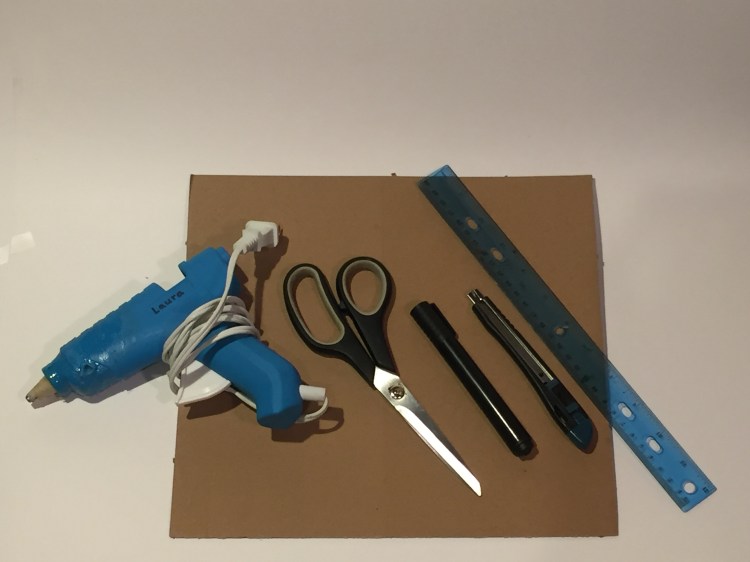
You only need:

  • Cardboard of any thickness
  • A hot glue gun
  • A ruler
  • A craft/box knife
  • A pen, pencil, or marker

And scissors are good for trimming the pieces to fit later, but a craft/box knife is prefered for cutting the entry hole. Both are good to have.

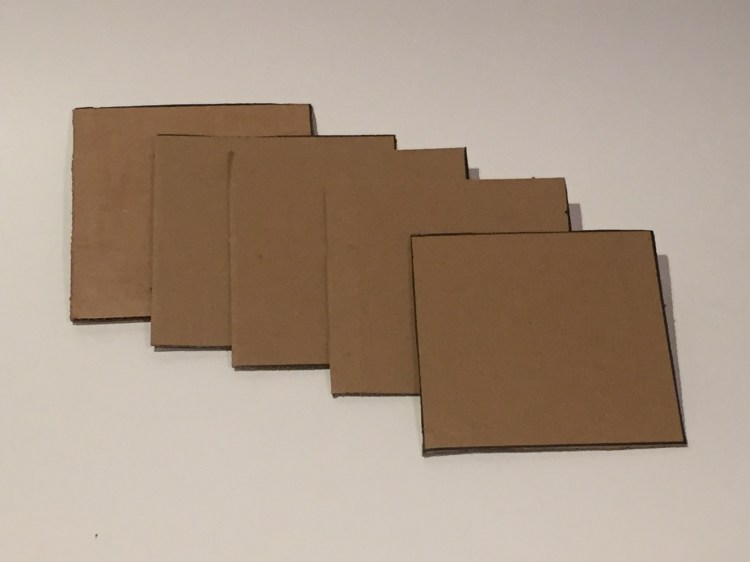
  • First cut five 5×5 inch squares of cardboard. These don’t have to be perfect, because they will most likely be trimmed later.
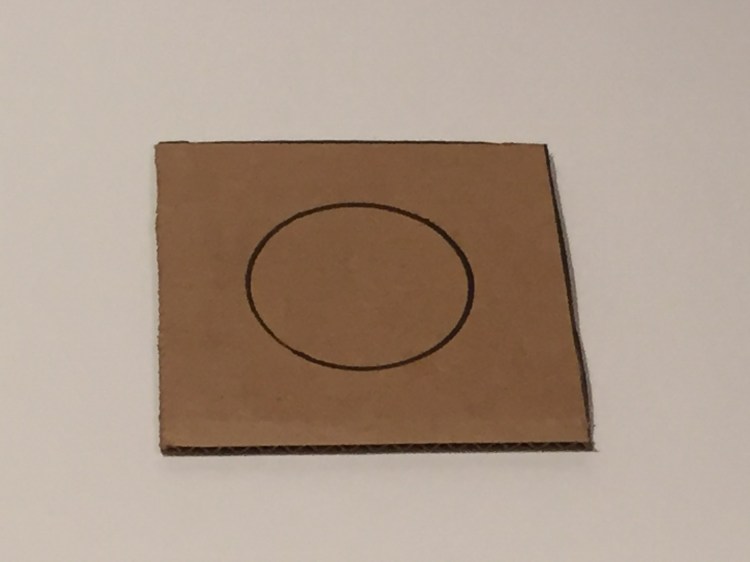
  • Take the nicest, squarest piece and draw the desired entry hole shape. You can use a template of a square or circle if desired; a circle looks nicer, and is more pleasent for the rodent to enter through.
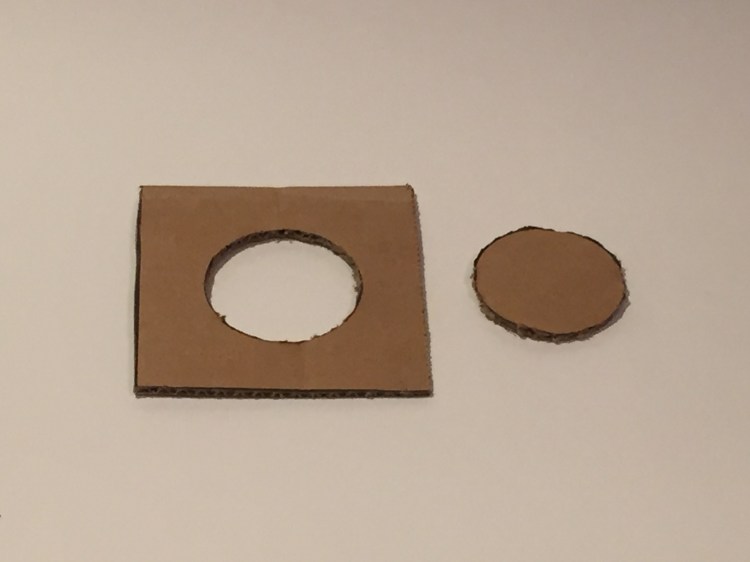
  • Using your box knife or scissors (Good luck with the scissors!), cut out your entry way that you just marked out before.

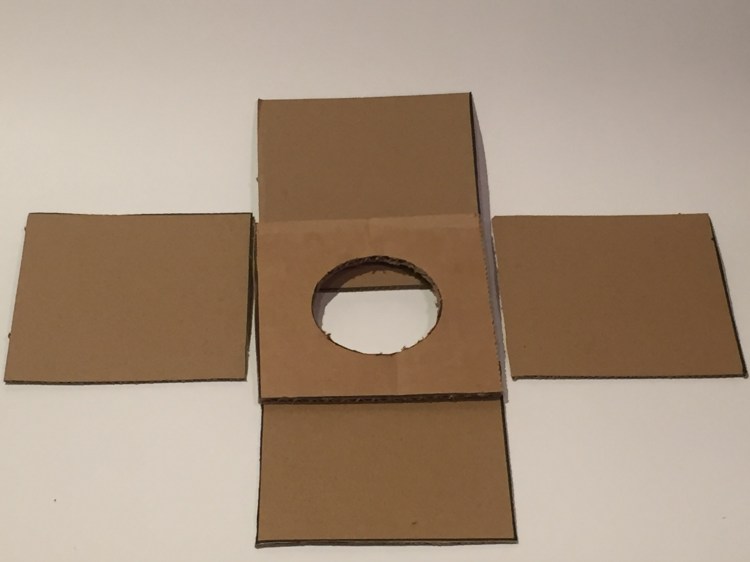
Now your five square pieces should look like this, if they do then:

  • Heat up your glue gun
  • Move your four solid pieces aside
  • Place your holed piece nicer side down
  • Select a wall piece, glue it nice side out onto the hole piece
  • Repeat with the other pieces

Now you should have a lidless box with a hole in the bottom

  • Flip the box thing right-side up, and you’re done!

This burrow starter, nest box, and hide out is an awesome, chew safe, easy to make, three-in-one that is perfect for Hamsters, Mice, and Gerbils.

If you’re interested in more hamster-related content be sure to like this post and follow the blog, and I’ll be back on Tuesday with more small pet care, DIYs, recipes, cage setups, stories and more, have a ham-tastic day!

Hazards for Sale

 Believe it or not, not everything sold for hamsters is actually suitable for them. There are tons of unsafe items on the market for hamsters. And it’s sad that most new hamster owners see ‘for hamsters’ on the cute packaging, and they presume that these torcherous, and even deadly items, are perfect for their new pet. Most of the time these people mean well, and they just follow an employee’s instructions, and they do really love hamsters, but they just don’t know any better. Here you will learn about the most popular, unsuitable, available hamster items.

Wheels

You can go to any pet store and find hamster wheels. They are everywhere. And so they should be. As well as hamsters, Gerbils, Mice, Rats, Chinchillas, and Sugergliders all need wheels, so it would be dumb of the company not to sell them. The issue is that most of the time the wheels are cheap, mesh ones. People like cheap, but if you’ve read my lesson on wheels, then you’re cringing at the thought of the poor residents on those terrible mesh wheels.

Mesh wheels cause Bumblefoot, which is essentially hundreds of infected papercuts on each paw, and it’s caused by mesh wheels. And besides being mesh, these wheels are usually too small. People think, ‘tiny, cute, cheap hamsters need tiny, cute, cheap wheels.’ Which is not true. When you get any wheel it needs to be the required size, which you can also read about in my lesson on wheels. I know there’s a 4.5 inch solid surface wheel on the market. That thing is useless except for maybe a baby Robo.

  • Read my lesson on wheels for proper hamster wheel sizes for each species.
  • get a solid surface wheel, like a Comfort Wheel or Silent Spinner.

Commercial Cages

When you go into the small pet section in the pet store you will see very small cages, like, below 100 square inches. There’s a pretty recent line of these tiny cages, called TinyTales. They’re marketed for kids. They come with stickers, and LED lights, and they have a castle, house, barn, rocket, and tons of other designs. These are bad because they do not reach the required 450 square inches bare minimum, and you need the cage even bigger for Syrians.

So now kids are like, ‘Oh look at that, I want it, it’s cute.’ Then they get this poor hamster in this puny cage. Even if it’s a tiered cage that tallies up to 450, it doesn’t count. Hamsters need 450 of unbroken floorspace. You can always add levels to an appropriately sized cage if you’re set on having levels, especially for hamsters who love climbing.

  • Get an appropriately sized cage, 450+ square inches of unbroken floorspace.
  • To calculate square inches times the width of the cage by the length.
  • Don’t get something for a living thing because you like it.
  • You can add levels to a cage that already meets the required size.

Yogurt Drops

There are many commercial treats that are not very healthy for hamsters. I’m looking at you, Yogurt Drops! Yogurt drops are very sugary, so they should be served no more than once a week. But inexperienced hamster owners, including myself at one point, will not know that, especially when it says, ‘serve one a day,’ on the packaging! I know, it’s crazy, but true. It says things like that on treat packaging, so then the treats get used up faster and you have to buy more. It’s a marketing scheme. Don’t fall for it, and for diabetes prone hamsters especially.

  • Don’t fall for the treat manufacturer’s marketing scheme. Only feed one of any treat once a week, after all, it is a treat, not their diet.
  • Be very careful to only feed one treat a week to more diabetes-prone hamsters.

Vitamin Supplements

These are totally unnecessary and unhealthy. Why would a hamster need supplements? That’s a lot of sodium. Hamsters should be getting enough vitamins and minerals from their diet and water, which should be from your minerally tap. There’s loads of natural minerals and vitamins in fruits, veggies, and unseasoned animal protein, which should be in your hamster’s omnivorous diet already.

  • Do not feed supplements unless instructed by a vet.
  • Supplements are unhealthy for healthy hamsters.
  • Hamsters get enough vitamins and minerals from their diets, which should consist of water, a good seed mix, safe fruits and veggies, and a weekly treat.

Nesting Material

This is a very debated topic: should I or shouldn’t I buy cotton nesting material? The simple answer is no. Why? Well, cotton, whether it be marketed as nesting, or just cotton balls, is made of very fine fibres and strands. This is very dangerous, for hamsters especially because when they put it in their cheeks it will get wrapped around their teeth, or if they digest it they can get plugged up and die. And it has been known that rodents have gotten cotton wrapped around their limbs too, then they get amputations, which is just sad. Many rodents have died from cotton nesting material. It is very dangerous, and if you own any, or have it in your rodent’s cage, remove it immediately. Right now. Wake them up if you have to. It can and has killed rodents before. Instead use shredded toilet paper or tissue. This is made to dissolve, so if ingested, the rodent will just poop it out. Toilet paper shreds are also very warm, and if you’re looking for something cooler for the summer, use hay.

  • Anything cotton kills rodents.
  • Remove cotton from your pet’s cage immediately.
  • Replace cotton with shredded toilet paper/tissue.
  • If toilet paper is too hot use hay.

Overall:

There are many unsafe or torturous rodent products available, so just be very careful with what you buy, and do plenty of research beforehand.

If I missed any important or popular yet dangerous products, comment below and let me know so I can add them 🙂

If you’re interested in more hamster-related content be sure to like this post and follow the blog, and I’ll be back on Tuesday with more small pet care, DIYs, recipes, cage setups, stories and more, have a ham-tastic day!

The Best Hamster Cages

Written by Laura Grace, January 15th, 2020.

A hamster of any species needs 450 square inches of solid, unbroken floorspace at the bare minimum. If you can get more, especially for Syrians, then go for it. But cages that size are very hard to find in retail stores. Hamster owners struggle with this problem, and so did I.

Beanie’s lived in three different cages, each bigger and different from the last. Here you will get my opinion as well as the pros and cons of wire cages, tank cages, and bin cages, all of which Beanie has lived in.

I will also be naming a few really good cages at the end, so you can check them out.

Wire Cages

These cages are the most popular, and probably what you envision when you think of a cage. Wire cages have been around for ages, and can be found pretty much anywhere. The issue is there are so few wire cages big enough for hamsters. When I say big enough, I mean that it reaches the required size (450 square inches), is tall enough for an appropriate wheel (6-12 inch), and has a deep enough base for the 6+ inches of required burrowing substrate.

Pros:

  • Excellent ventilation.
  • Great for hamsters who love to climb, shelving is easier to add.

Cons:

  • Hamsters can shove bedding/food/poop/pee through the bars.
  • Hamsters can climb and fall.
  • Hamsters can chew the bars resulting in dental issues.
  • Big enough ones are $40-$150.
  • Easier to escape from than other cages.
  • Can be hard to clean.

Overall, if you can find a large enough wire cage and the price is not an issue then wire cages can work very well for many people, but most people prefer cages without the risk of bar chewing.

Glass Tank Cages

Tanks are also very popular. Tanks prevent bar chewing, shoving things out onto the floor, climbing up bars and falling, and are quite escape proof. Tanks may need DIY lids, unless they are very tall. Tanks are readily available at most pet stores or fish stores.

Pros:

  • Readily available.
  • Nice appearance.
  • No bar chewing.
  • No climbing and falling.
  • No shoving things through bars.

Cons:

  • Quite expensive.
  • Heavy and difficult to move around.
  • Harder to ventilate.

Overall, tanks make very good cages, and I highly recommend them if you get the correct size. They are very safe, cozy, and hamsters can look out at the world.

Bin Cages

Bin cages are awesome. They are lightweight, cheap, readily available, customisable, and make great cages. Bin cages are large, cheap storage bins with wire mesh in the lid and/or sides. I’ve seen people put door pieces from small wire cages onto the front so you don’t have to remove the lid so often. I do not recommend these for Gerbils due to their plastic chewing reputation.

Pros:

  • Readily available.
  • Cheap.
  • Simple DIY.
  • Customizable.
  • No bar chewing/climbing unless you install wire on the sides.
  • Lightweight.
  • No putting things through bars, unless side bars installed.
  • Pretty easy to clean.
  • You get so much space for so little money!

Cons:

  • You have to DIY mesh onto it; drilled holes are not sufficient.
  • Can crack when customizing.
  • Unless you put loads of mesh, not super ventilated.
  • Plastic may be foggy.
  • Can be escaped from if the hamster chews diligently.

Overall, bin cages are very popular, and I feel like the pros outweigh the cons. This is Beanie’s favorite cage yet, and the cons will not stop your hamster from being happy in this cage style.

Awesome Cages To Consider:

  • Prevue 528 Wire Cage
  • 40 Gallon Breeder Tank Hamster Cage
  • Ikea Detolf Hamster Cage
  • 200 Quart Sterilite Bin Cage for Hamster

Conclusion

I hope this blog post was helpful for those looking to upgrade their hamster, or are going to get a hamster and are looking for good cages. I’d personally love to try out all the cages I’ve recommended, from all my research they seem really awesome! Please comment down below in the ‘Reply’ section if you use any of those cages, and let me know what you think!

If you’re interested in more hamster-related content be sure to like this post and follow the blog, and I’ll be back on Tuesday with more small pet care, DIYs, recipes, cage setups, stories and more, have a ham-tastic day!

My Experience With Caring For A Hamster’s Sprained Limb

Written By Laura Grace January 12th, 2020

Quite some months ago Beanie came out of her cage like usual for her free roaming time in the evening. Everything was business as usual, until I saw Beanie quickly hobble under my desk on three legs.

It freaked me out, for a few seconds I thought maybe I saw something else, and Beanie was probably perfectly fine. Nontheless I decided to find her, just to be sure. When she emerged a few moments later she was limping, very badly.

Diagnosing a Sprain or Break

If you see your hamster like this, carefully put them in an flat surfaced area and watch the affected limb. If it’s broken the hamster will most likely be dragging the limb, if it’s sprained then they will be able to hold it up off the ground.

Broken Limb

If it’s broken call an exotic vet immediately. Hamsters will gnaw off their own broken limbs in an attempt to stop the pain. A vet will prescribe a pain killer for the hamster until the limb heals. Ask the vet about other ways to help your with your hamster’s recovery.

Adjusting Beanie’s Cage

Beanie had a sprain, so this is how I went about adjusting her cage to suit her needs:

  • Removed everything from the cage
  • Shredded a ton of toilet paper; put an inch deep layer all over the cage floor
  • Put lots of tubes and boredom breakers around the cage
  • Didn’t put the wheel back in the cage
  • Scatter fed her to make up for the lack of wheel

I have no experience with broken limbs, so if the limb is broken please ask an exotic vet for further intructions.

Caring for the Sprained Limb

Since it was a sprain I needed to keep Beanie in the downgraded cage setup for 1-3 weeks.

During this time Beanie came out for a minute everyday to walk on a hard surface, so I could see how the limb was doing.

It was her back right leg she sprained, and she couldn’t balance properly to drink from her bottle, so I put a piece of wood under the bottle so she could lean on it to drink.

I checked her daily, and tried not worry to much.

Beanie was incredibly bored, but I had to resist the temptation the let her out of the cage for free roaming.

Diagnosing the Healed Limb

Six days later I took Beanie out for the daily minute on a hard surface, and checked her leg. Beanie was pretty much normal!

I did wait an extra day just to make sure she was completely healed, and on the seventh day from the incident she was reunited with her wheel.

Every hamster is different, so some may take longer to heal, and it also depends on how serious the injury was.

When the hamster is walking completely normally again you can change the cage back to normal.

This post is written purely off of my own experience and research, so if you handled a similar situation differently that’s totally okay!

If you’re interested in more hamster-related content be sure to like this post and follow the blog, and I’ll be back on Tuesday with more small pet care, DIYs, recipes, cage setups, stories and more, have a ham-tastic day!

Hamster Wheels

This is a very important topic, because not only can the wrong wheel seriously hurt your hamster’s feet, but back as well.

Wire Wheel?

Imagine hundreds of painful infected papercuts on each hand and foot. That’s called Bumblefoot, and it is caused by barred or mesh wheels. It is excruciating, and unnecessary. And Bumblefoot isn’t the only problem. Mesh and wire wheels pose the threat of getting a foot caught, then your hamster is dangling by its leg, which could cause serious injury, or even death. If a hamster is stuck, it will chew off its own leg to get free, then bleed to death. It is preventable; don’t get mesh wheels.

Solid Surface Wheel?

Solid surface wheels are the way to go. They prevent Bumblefoot and caught limbs, and are much more comfortable for the hamster to get exercise. Solid surface wheels look more fashionable, and are usually more stable. Sometimes solid surface wheels are a bit more expensive, but it’s worth it.

Wheel Size?

One of the biggest wheel problems when people purchase wheels that is too small. When a hamster runs in the wheel its back needs to be straight. If the hamster’s back is curved like a ‘U’ then the wheel is too small, and needs upgrading. The recommended sizes for each species are:

Syrian Hamster: 10″-12″

Chinese Hamster: 8″-10″

Campbell’s Hamster: 6 1/2″-8″

Winter White Hamster: 6 1/2″-8″

Roborovski Hamster: 6″-8″

Those are the recommended sizes, but you can always go bigger. The wheel can big as you’d like, so long as the hamster can still push it.

Key Points:

  • Do not get wire wheels; they cause Bumblefoot, back pain, and caught limbs.
  • Get solid surface wheels, they are prevent injury and are more comfortable.
  • Make sure the wheel is big enough that the hamster’s back is not curving.

And if you’re interested in more hamster-related content be sure to like this post and follow the blog, and I’ll be back on Tuesday with more small pet care, DIYs, recipes, cage setups, stories and more, have a ham-tastic day!

DIY Adorable Rodent House

This Adorable Rodent House, besides being so cute, it is really handy for pretty much anything! It is safe for pets to chew on, and being light weight, it’s perfect for travel, and is also super simple and easy to recreate over and over!

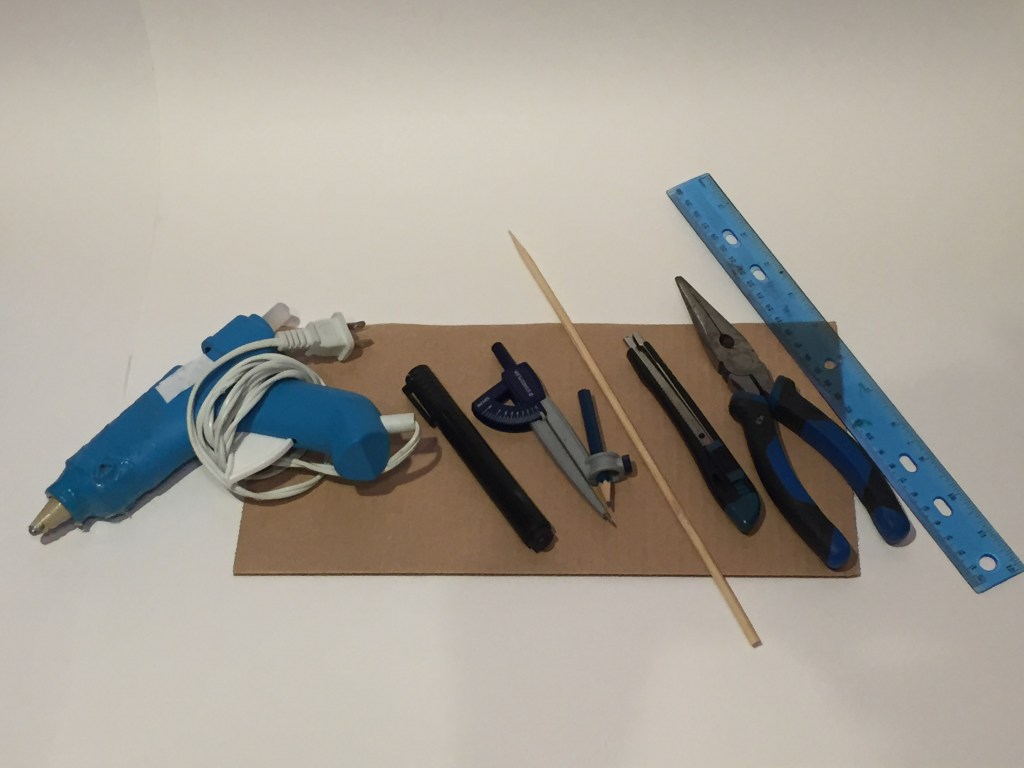
For this cute project, you’ll need:

  • A piece of cardboard, any thickness.
  • A hot glue gun.
  • A marker, pen or pencil.
  • A drawing compass or circle template.
  • A craft/box knife.
  • A ruler.

And if you’d like the cute skewer piece on top you’ll need:

  • A wooden skewer.
  • Strong cutters to cut the skewer.
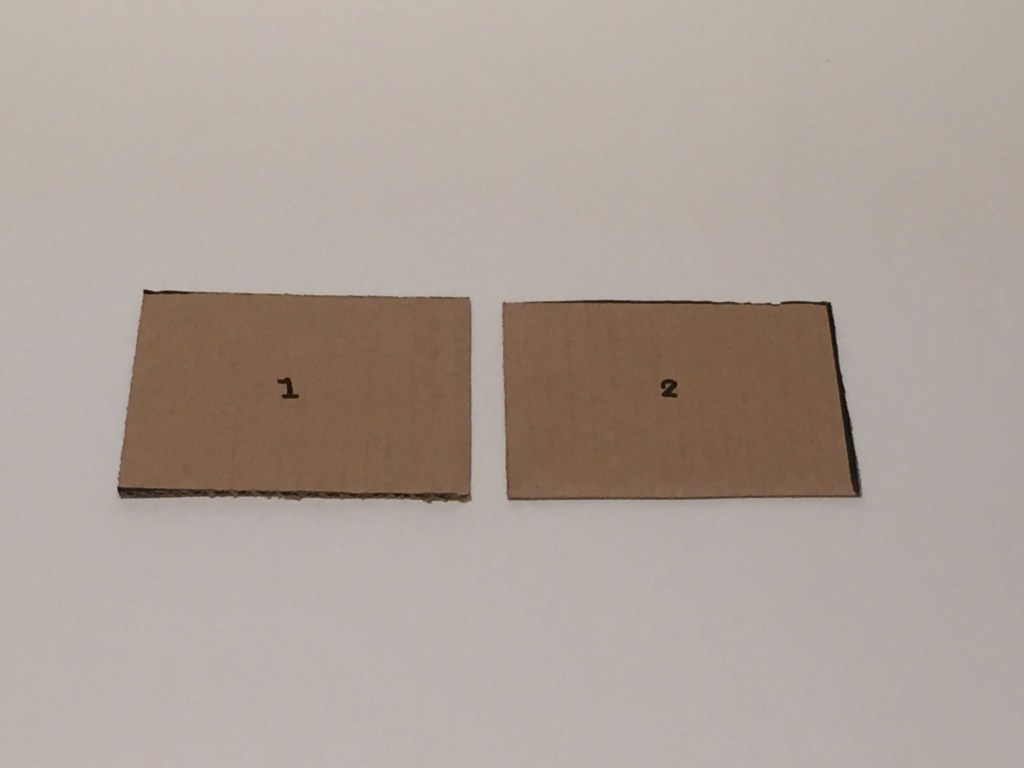
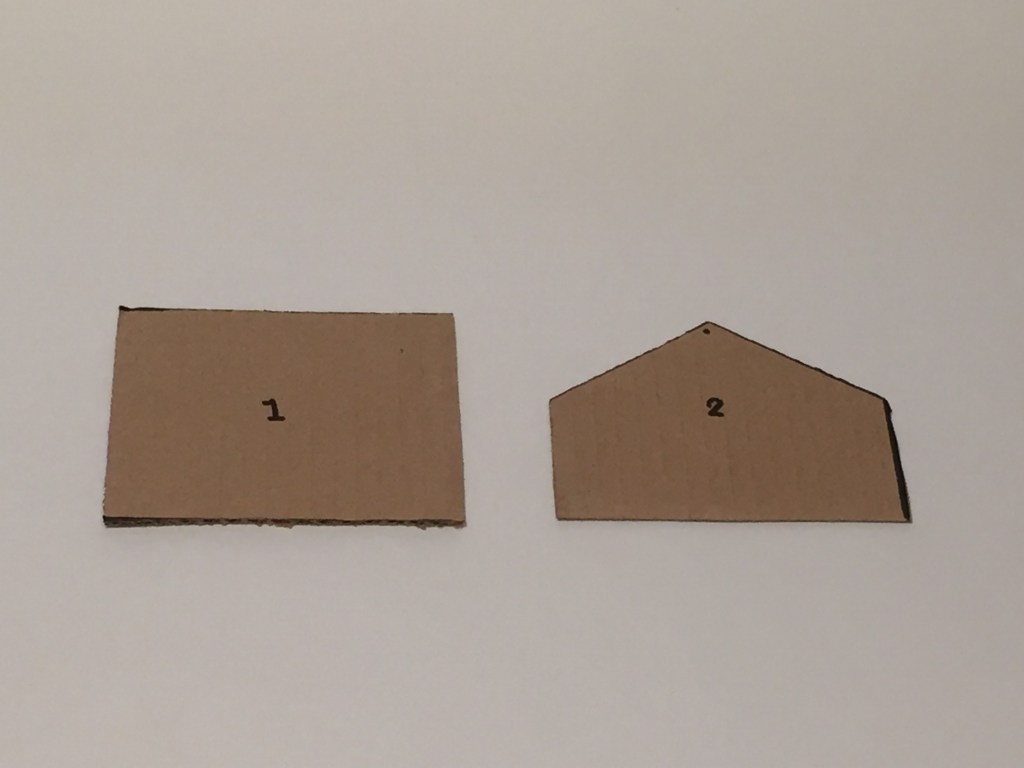
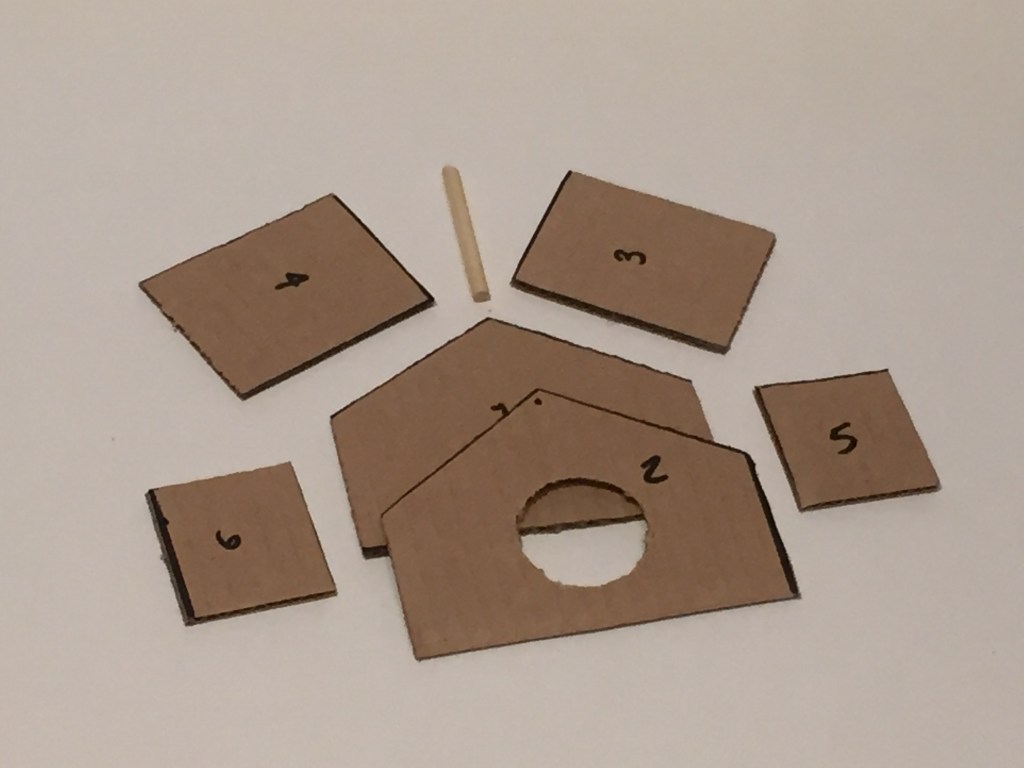
  • Cut two pieces of cardboard, they should be 5.5 inches x 6.5 inches. This size works for any small pet rodent.
  • Draw a dot at the top centre point of one of the pieces of cardboard.
  • Then cut of a triangle from each side so it looks like the peice on the right in the image above.
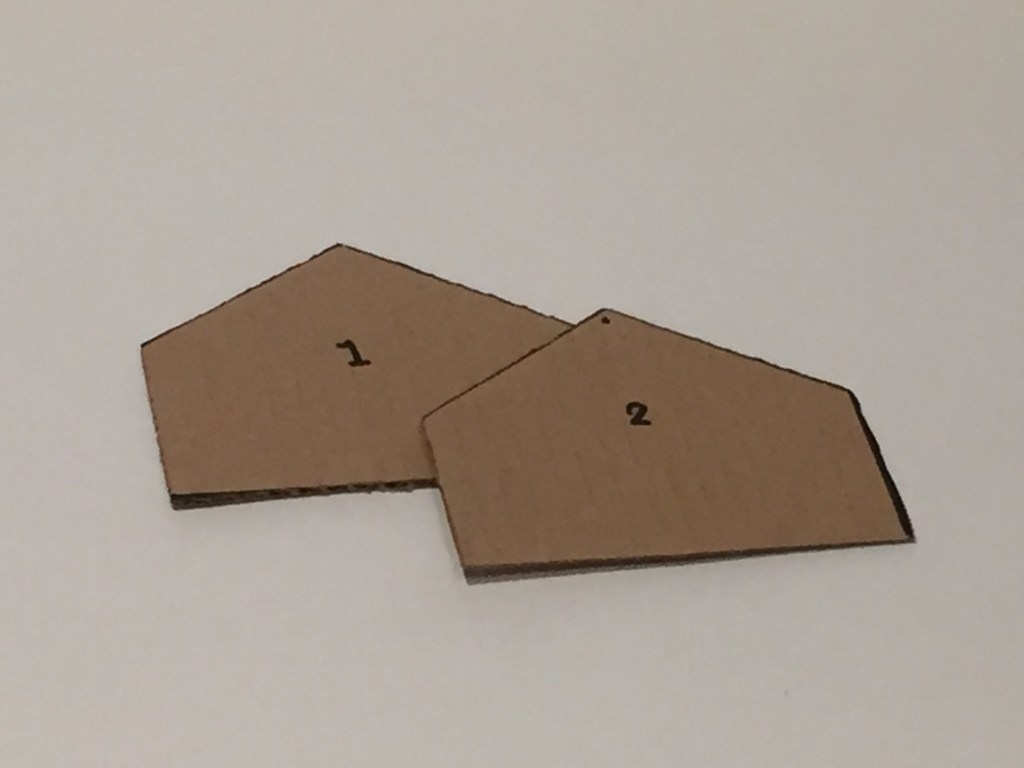
  • Place the cut piece on top of the uncut one, then trace the cut piece. Cut your tracing lines.

You should now have two identical pieces.

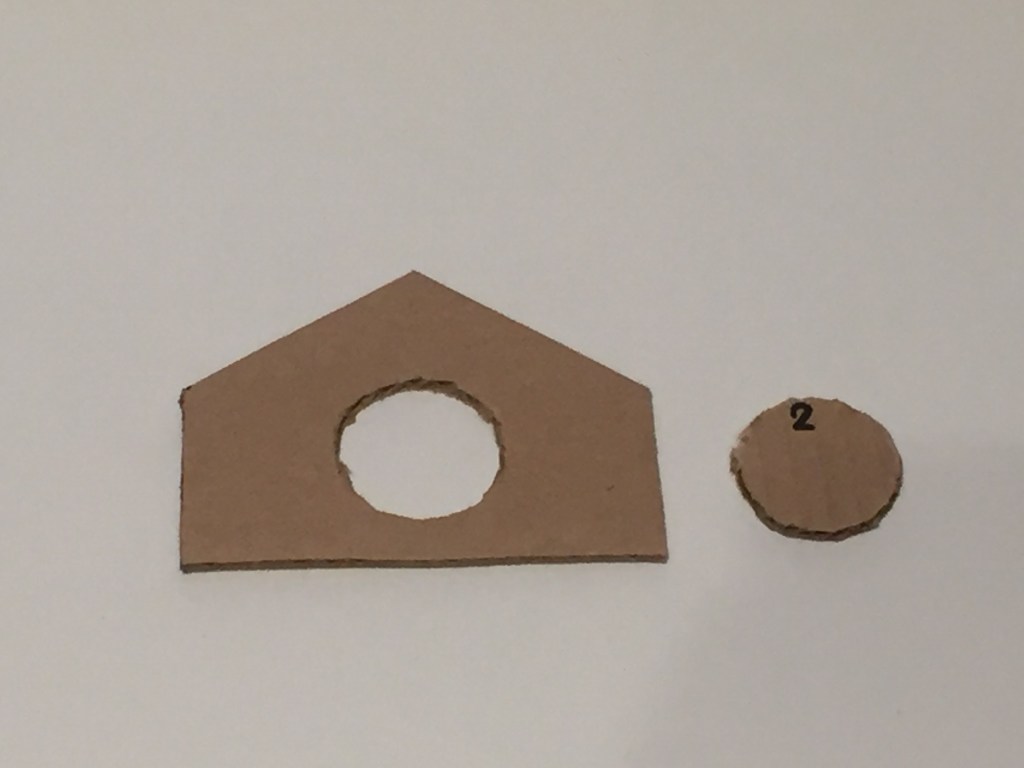
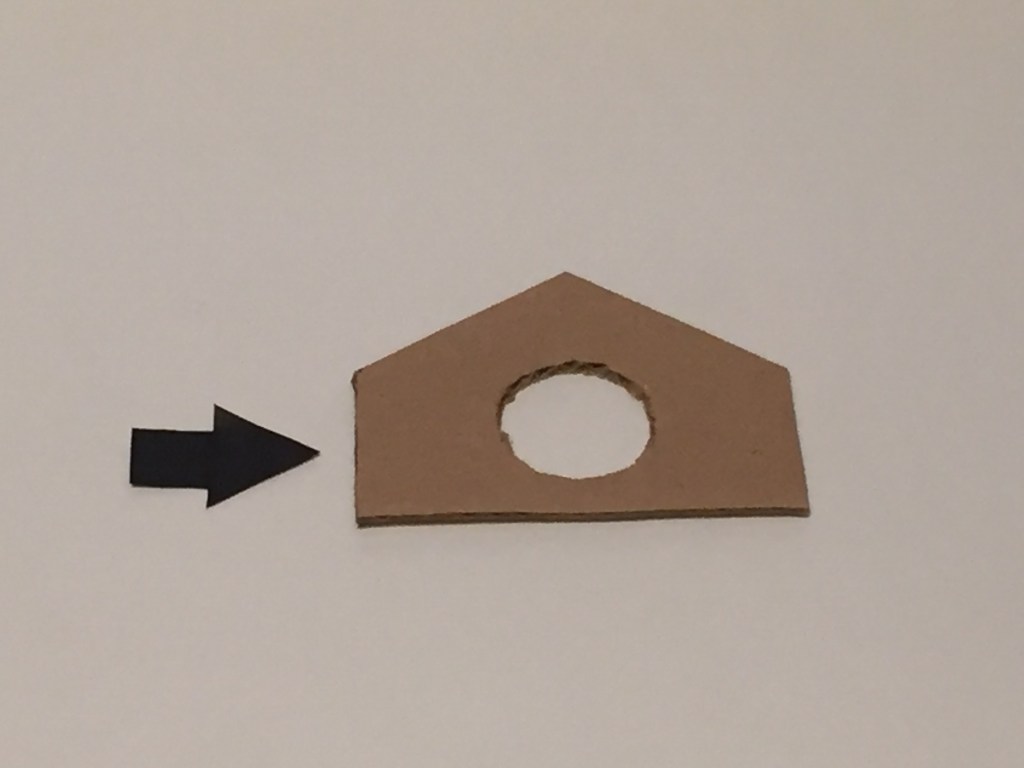
  • Take one of the pieces and using your drawing compass or circle template, cut out a round hole in the lower middle section.

Hole Sizes: A larger hole can work as well.

Syrian Hamster, Chinese Hamster, Mouse: 2.5 inches

Gerbil: 3 inches

Winter White Hamster, Campbell’s Hamster, Roborovski Hamster: 2 inches

  • Measure the side hight of the pieces. It should measure around 3 inches. You are going to cut two pieces that are that height by 4.5 inches.
  • Cut two more pieces that measure 4.5 inches by around 4 inches. And if you want the top skewer piece, cut a four and a half inch long skewer piece. You should have all the pieces shown above, and now, get gluing!

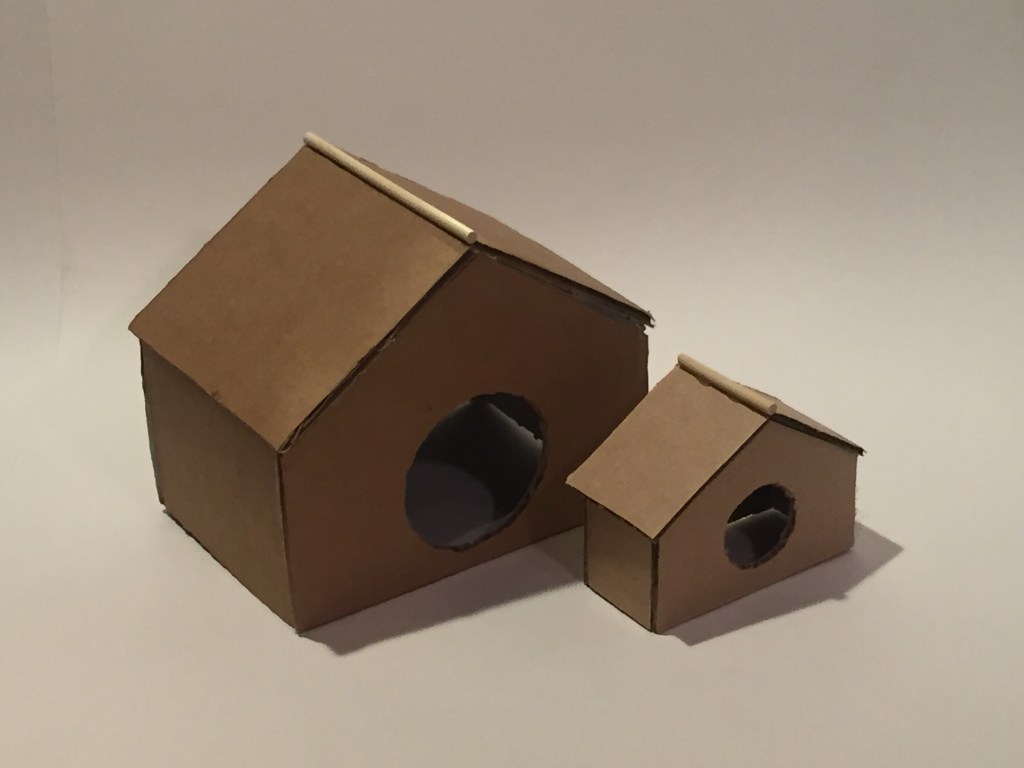
When you finish gluing, the house should look something like this! Very cute, sturdy, and usful. This house is easily reparable, replacable, and budget friendly!

You can recreate this house in different sizes, and any size is just as easy!

It’s a super cute and fun craft, and I hope you enjoyed my little tutorial! If you’re interested in more hamster-related content be sure to like this post and follow the blog, and I’ll be back on Tuesday with more small pet care, DIYs, recipes, cage setups, stories and more, have a ham-tastic day!

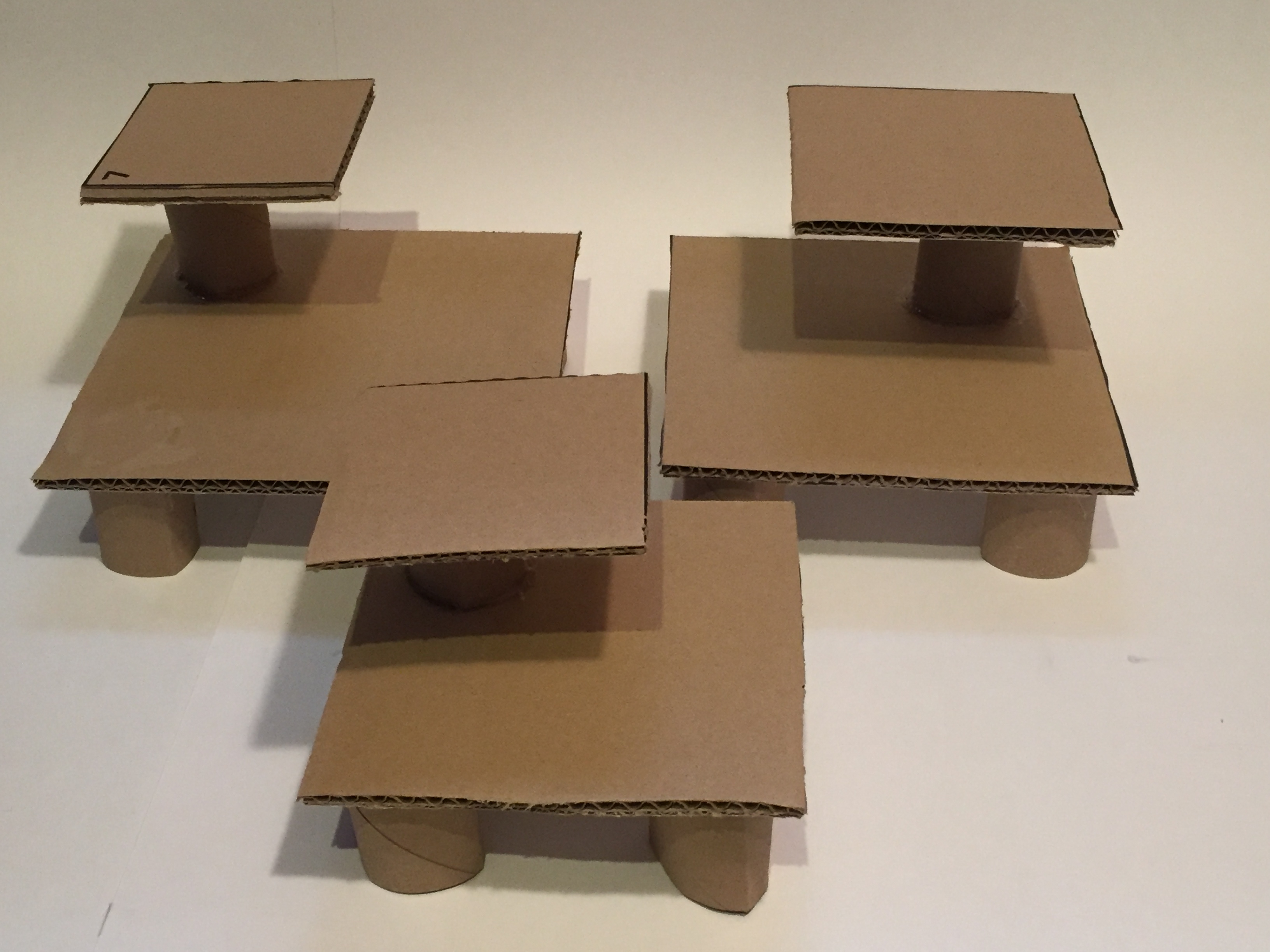
DIY Two-Tiered Tower 1.0 Tutorial

This tower is super simple to make, and it is suitable for all Hamster Species, as well as Mice and Gerbils. It can be used as decoration, a toy, and/or a stand for your food dish. It is perfectly safe for your pet to chew on.

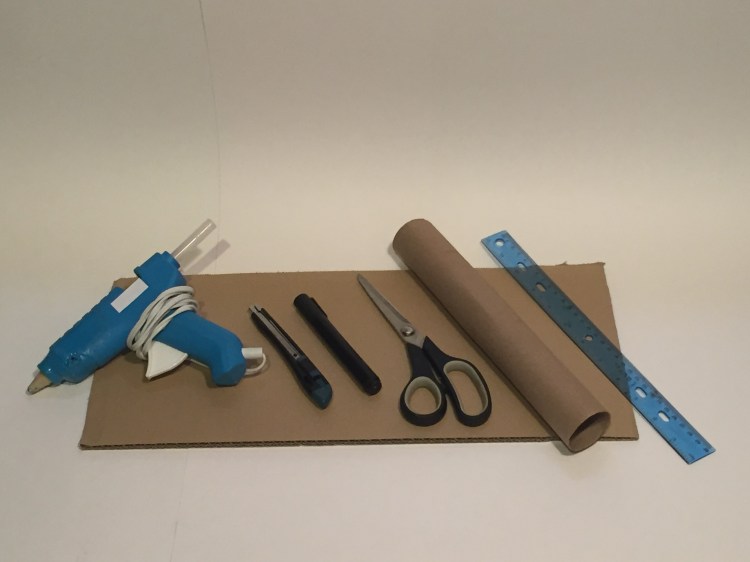
For this project you will need: 

  • The thickest piece of cardboard available
  • A hot glue gun and glue stick
  • A box/craft knife 
  • A pencil, pen, or marker
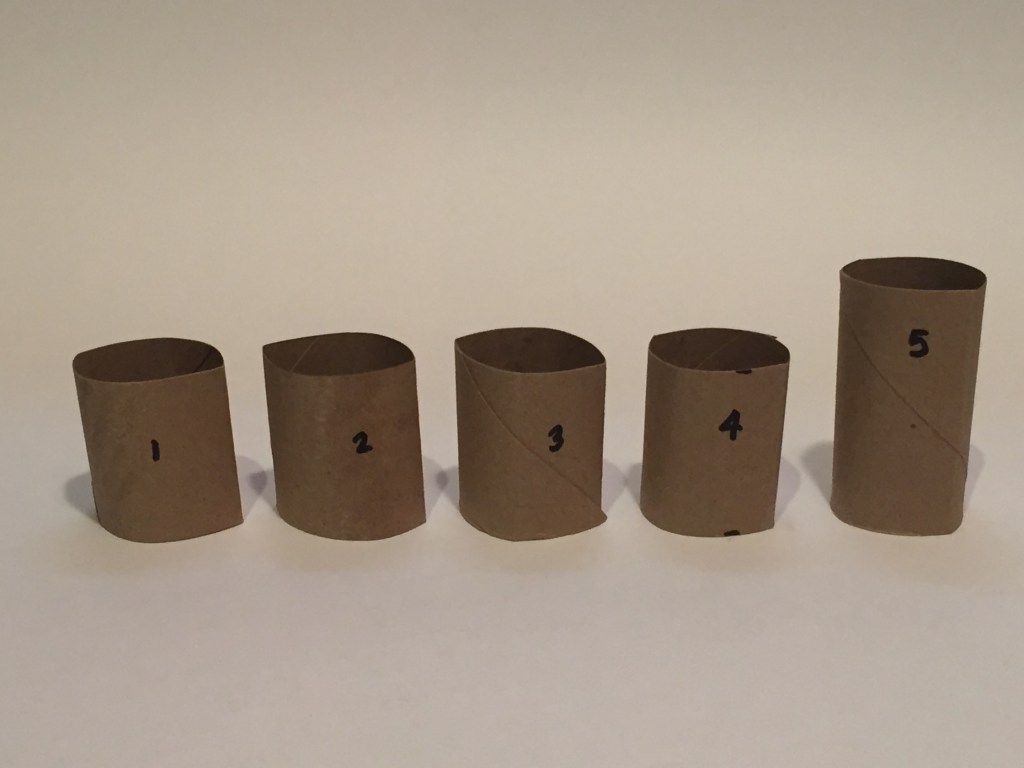
  • A paper towel tube or three toilet paper tubes
  • A ruler

And scissors make cutting the tubes much easier, but are not essential.

If using a paper towel roll:

  1. Using your pencil, pen, or marker, and your ruler, mark out four little lines, one every two inches.
  2. Cut the tube at each line, scissors make cutting these easier, so you have four pieces the same size, and one longer piece.

For toilet paper tubes:

  1. Using your ruler, make a little line at the middle of two of the three tubes.
  2. Cut the tubes so you have four identical pieces, shaped like Os. If you use scissors this step will be easier.

The third toilet paper tube/fifth paper towel tube piece size:

Syrian Hamster: Three inches

Chinese Hamster: Two and a half inches

Mouse: Three inches

Gerbil: Three inches

Campbell’s Dwarf Hamster: Two and a half inches

Winter White Dwarf Hamster: Two and a half inches

Roborovski Dwarf Hamster: Two inches

(May vary according to specific Hamster/Mouse/Gerbil, these measurements are for adults of said species and younger rodents may need the shelving shorter)


You should then have five tube pieces, one might be longer than the rest depending on the species of rodent. The four shorter ones will be the legs, and the (maybe) longer one supporting the top shelf.

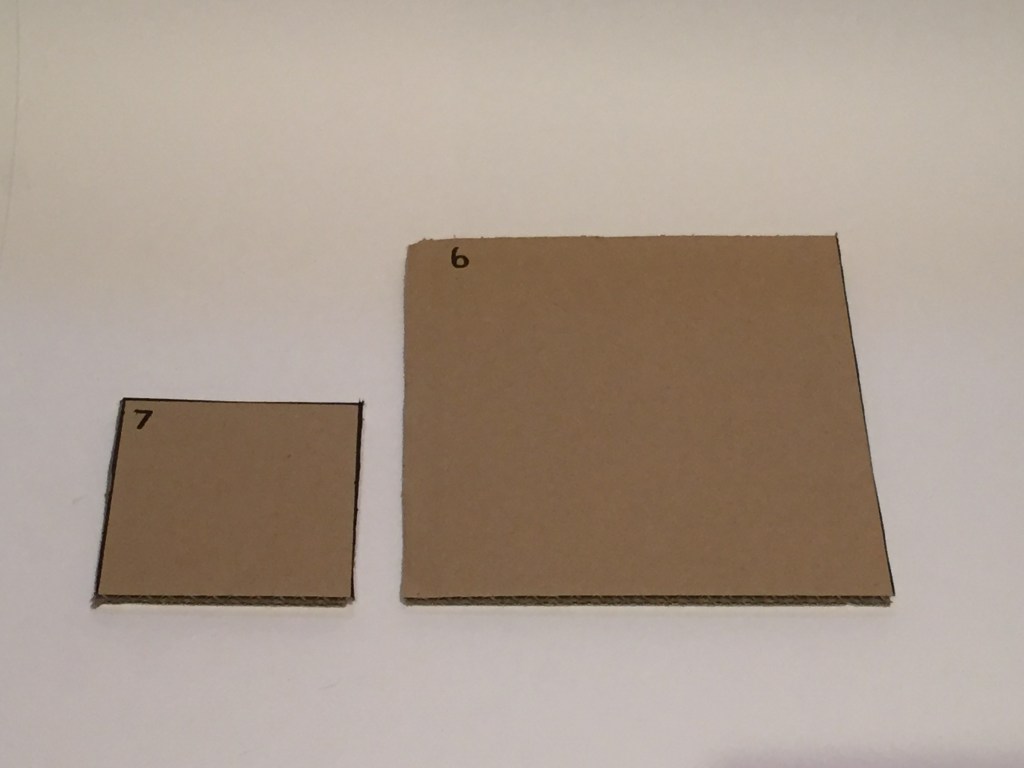
Next, using your cardboard, ruler, marker, and box/craft knife, cut out two squares of cardboard.

Syrian Hamster: 8x8in and 6x6in

Chinese Hamster: 8x8in and 6x6in

Gerbil: 8x8in and 6x6in

Mouse: 7x7in and 5x5in

Campbell’s Dwarf Hamster: 7x7in and 5x5in

Winter White Dwarf Hamster: 7x7in and 5x5in

Roborovski Dwarf Hamster: 5x5in and 3x3in


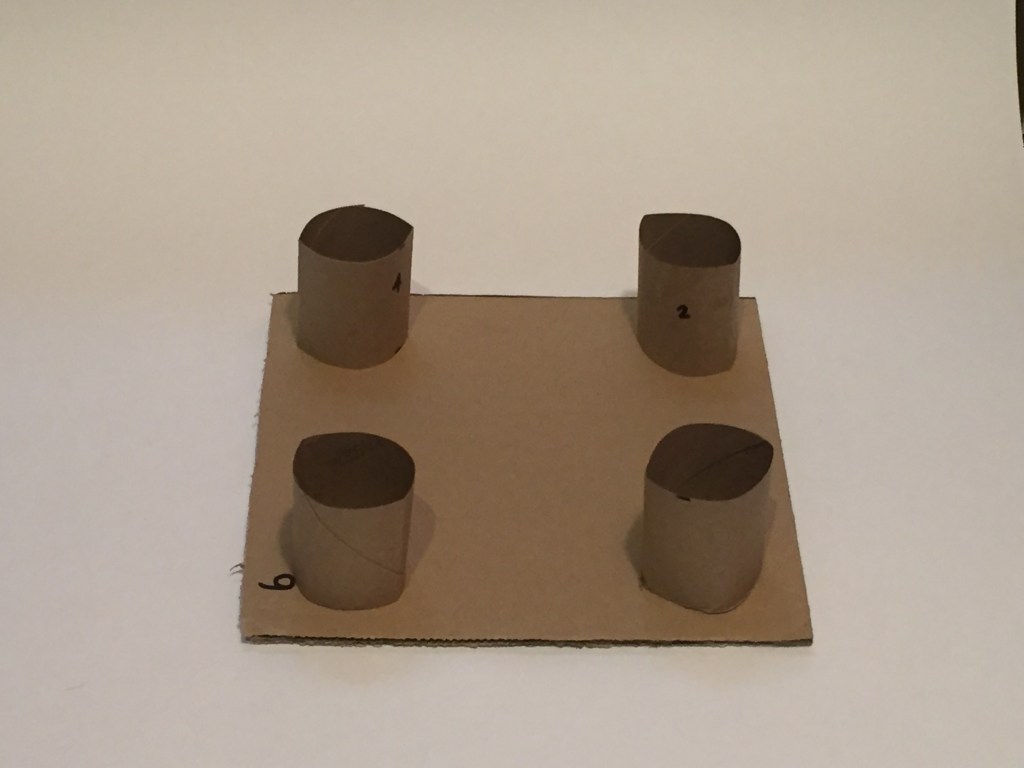
Next, take your larger square, and the four identical tube pieces, and heat up the glue gun.

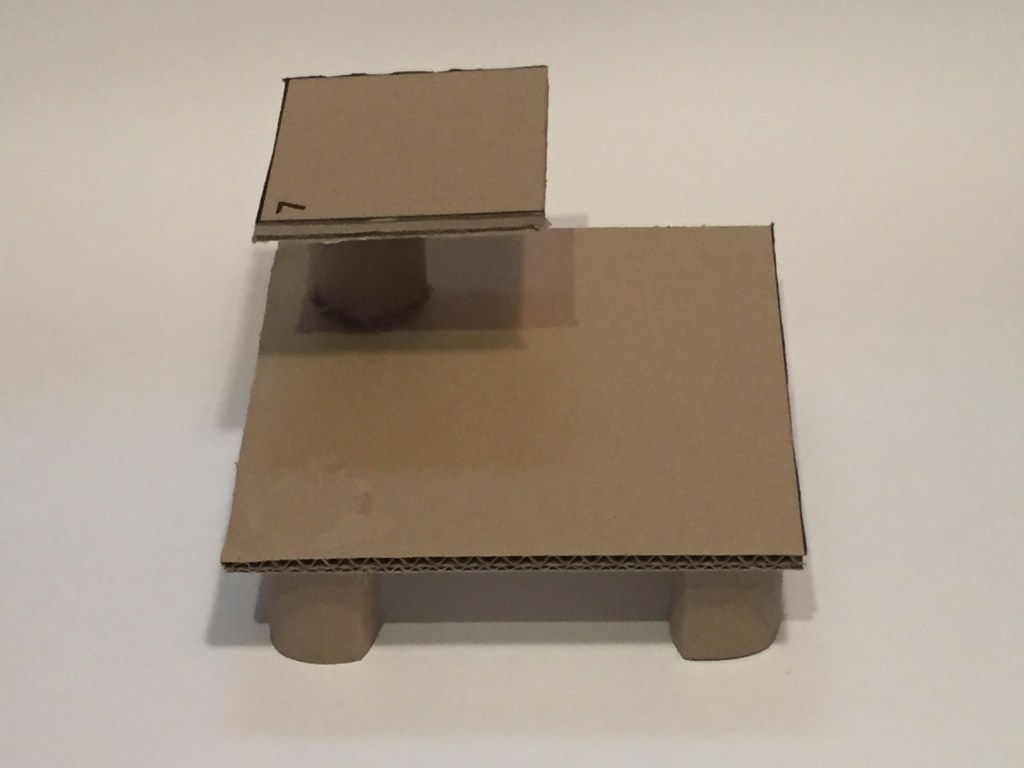
Place the four ‘leg’ pieces on the bottom of your larger square on each corner, and glue them into place.

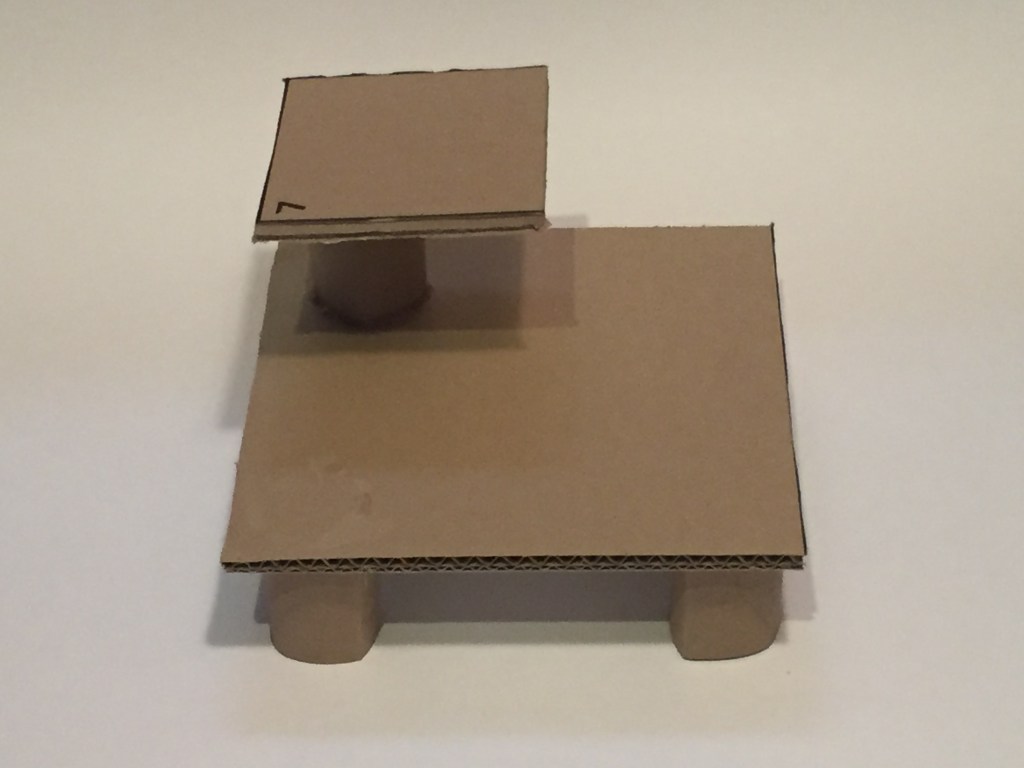
Get your smaller square and last piece of tube and glue it into place.

By putting it in the corner the rodent has easier access to the shelf, but it can be glued in the middle if desired.

Flip all the pieces right side up, and glue the upper shelf on very securely to prevent the shelf from collapsing onto your pet.

You can attach it wherever you please, but if you place the shelf in the corner section the rodent will have more shelf space.


And you’re done!

This climbing toy is an amazing, easy DIY that most rodents will love!

You can make different sizes for different rodents, the sizes listed are just recommendations.

Tip: if you make larger ones your pet can sleep and burrow under it!

If you’re interested in more hamster-related content be sure to like this post and follow the blog, and I’ll be back on Tuesday with more small pet care, DIYs, recipes, cage setups, stories and more, have a ham-tastic day!


Design a site like this with WordPress.com
Get started