DIY Plastic Tub Hideout and Platform Tutorial

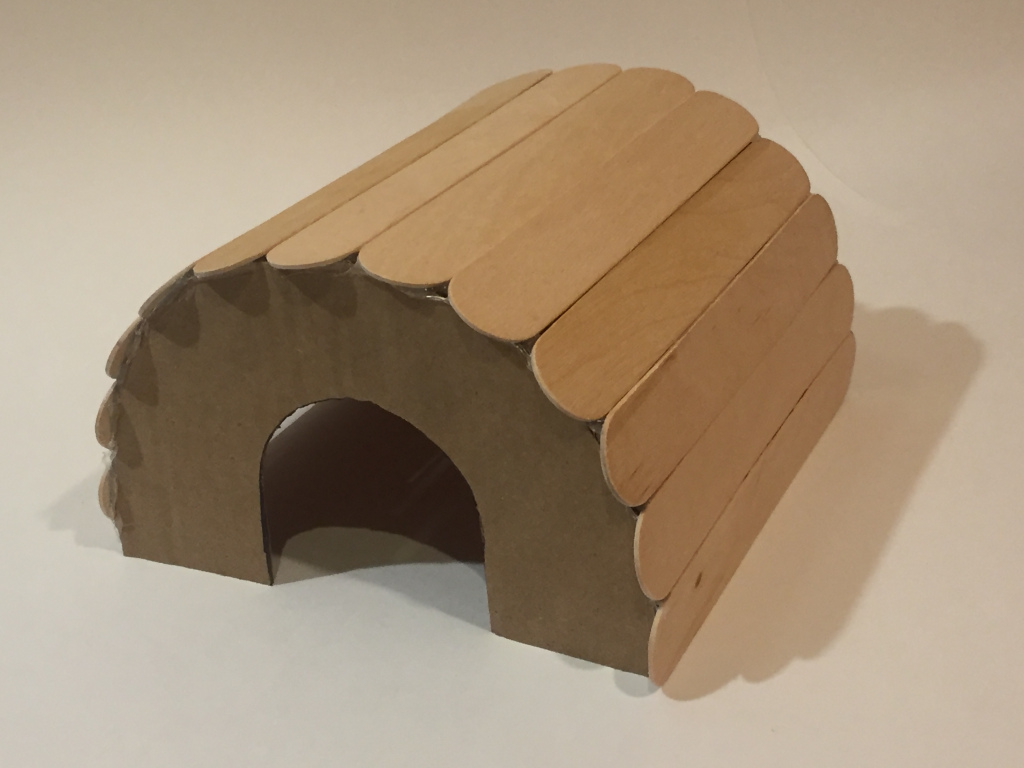
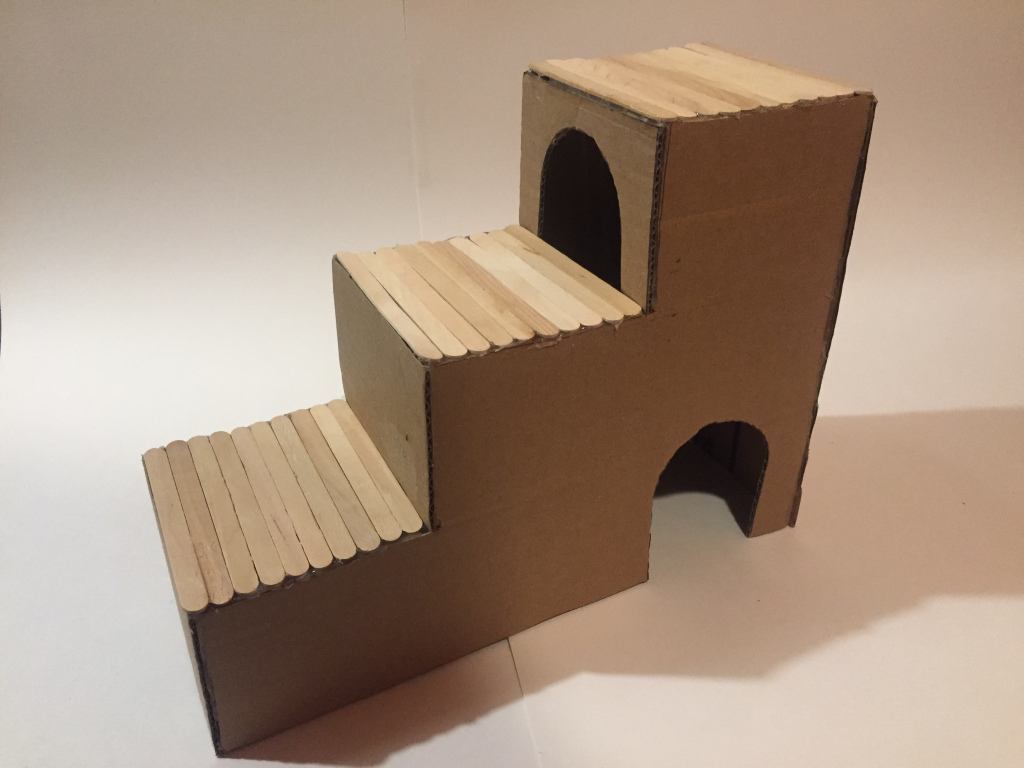
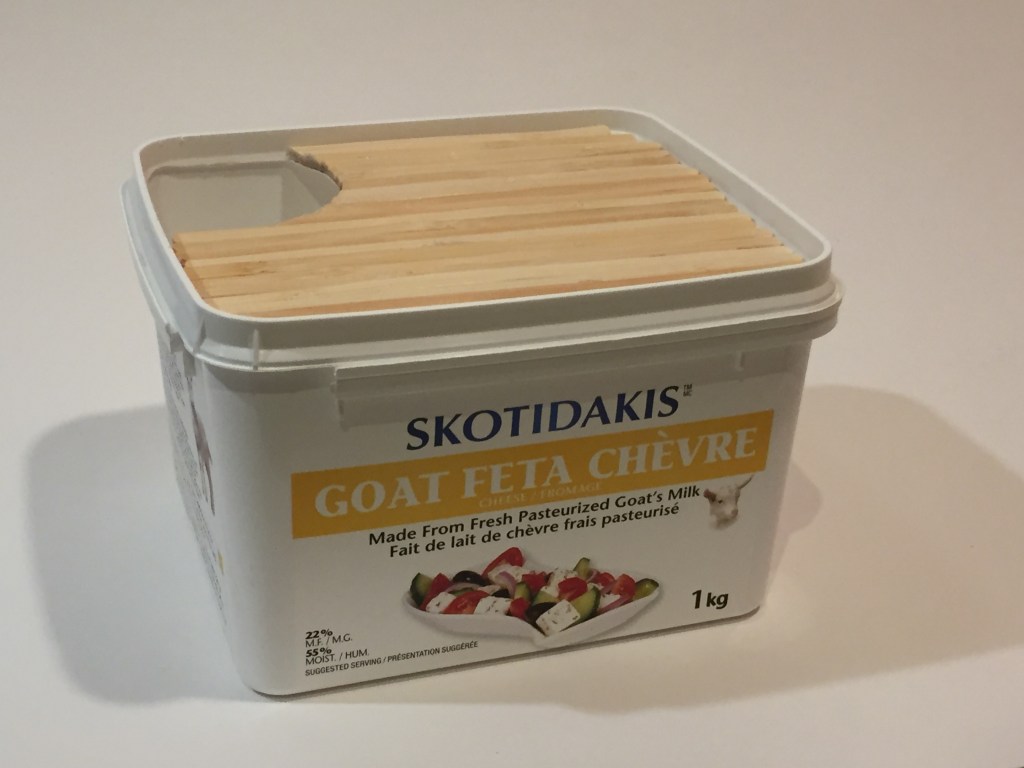
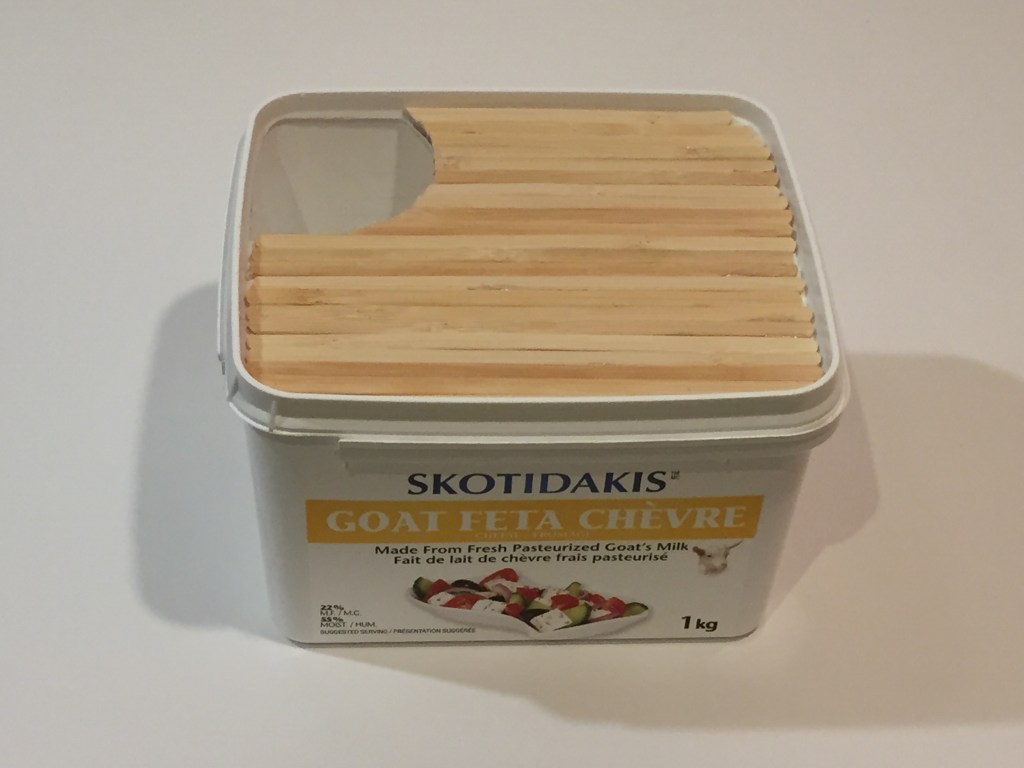
Hello and welcome to another DIY tutorial! This week I’m showing you how to make a cute platform and ‘underground’ nest from a small plastic goat cheese tub. I’ve been saving this tub for about a week, brainstorming what I wanted to make with it, until today when I purchased a pack of coffee stirrers. I thought they’d be handy since they’re basically long, skinny popsicle sticks, and I realized they’d be perfect for this project.

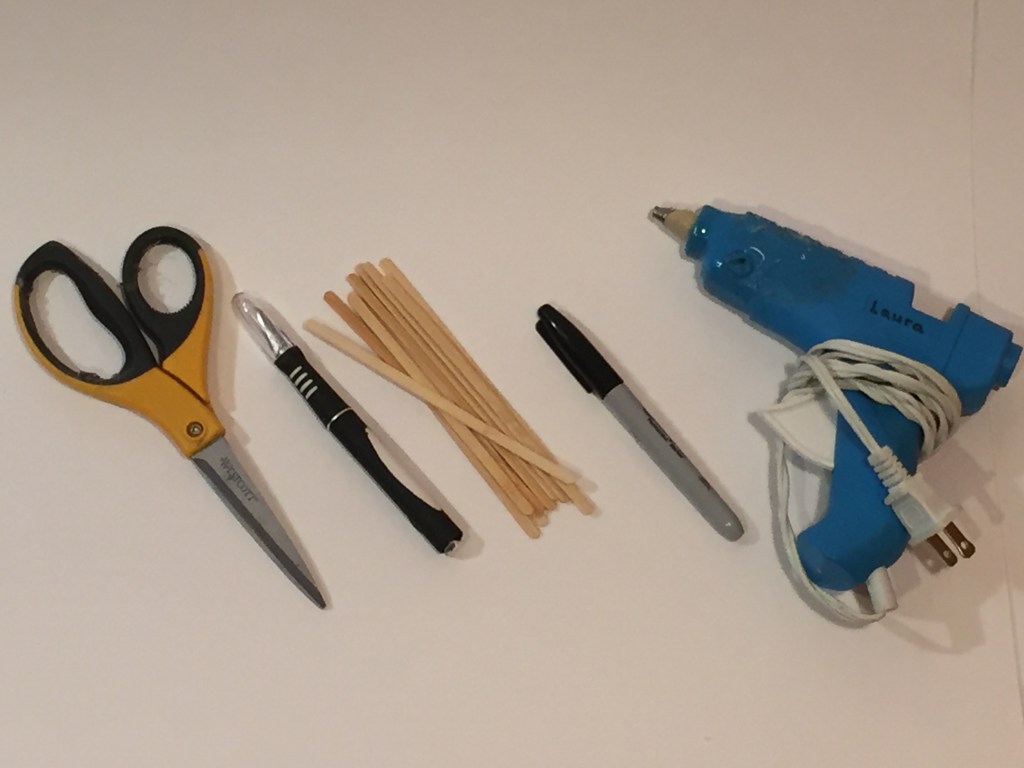
For this DIY you’ll need:

  • A small plastic tub
  • Scissors
  • Craft knife
  • Coffee stirrers or large popsicle sticks
  • A dark marker
  • A hot glue gun
  • Draw a doorway on the corner of the tub lid. Make sure it’s big enough for your pet to fit through.
  • Cut it out with your craft knife.
  • Carefully smooth out the edges of the hole with your knife (you could also do this with sandpaper).

How made the coffee stick lid:

  • Put a stick where you need it.
  • Hold the stick with your fingertips at the position and angle you need to cut it.
  • Cut the stick using your fingers as a guideline.
  • Put glue on the bottom of the stick.
  • Firmly place stick in position.
  • Repeat.

And that’s how I made the stylish lid, and it was surprisingly easy!

  • If there’s extra plastic sticking out from the sticks trim away the plastic with your knife.
  • Put glue along the inner edge of the entry hole and use a stick to scrap it into the crevasses. This will make smooth

And the hideout/nest/platform is done! I hope you enjoyed this tutorial, and that you take the opportunity to reuse similar tubs for your small pets.

What’s really handy about this DIY being plastic is that you can hand wash the base (some tubs are even dishwasher safe) to remove any urine or foul odor!

If you’re interested in more hamster-related content be sure to like this post and follow the blog, and I’ll be back on Tuesday with more small pet care, DIYs, recipes, cage setups, stories and more, have a ham-tastic day!
All About Hamsters And Hay

This week we’re going to be talking about hamsters and hay, and answering some common questions!

Digestion

Hay is full of fiber, and should your hamster be one to enjoy nibbling on it, it is very healthy for their digestive system.

Hamsters are not herbivores, and cannot live solely on hay and vegetables like rabbits. Don’t expect them to eat it.

Burrowing

When layered into your hamster’s substrate, hay is great for holding up your hamster’s burrows! Simply put down some substrate, hay, substrate, hay, substrate, hay until you have the depth you like, and the hay will help support any burrows your hamster creates.

Foraging Toys

Hay is great for stuffing into foraging toys! You can sprinkle food or treats in with the hay, or just have a hay toy. Small pets usually really love hay-filled toys.

Which Hay?

There are so many hays available on the market, and which one do you choose? You’re going to want the softest hays for your hamster in case they pouch it, which means you should get either Timothy or Orchard hay/grass. These hays are hamster-safe and soft.

Where to Get Hay?

You’ll want to get hay from a pet store or online so it won’t have any bugs in it.

Which Bag?

When selecting a bag of hay make sure it has a transparent section so you can examine it. You want lush, green hay in strands ranging 3-8 inches long. Make sure there’s not a pile of crushed-hay dust in the bag.

Conclusion

Hay overall is very beneficial for hamsters, and I definitely recommend trying it with your small pets. I totally want to try it out with Beanie this summer, since hay makes a great, cool, airy nesting material.

If you use or have used hay with your hamster(s) please comment down below and share your experience!

If you’re interested in more hamster-related content be sure to like this post and follow the blog, and I’ll be back on Tuesday with more small pet care, DIYs, recipes, cage setups, stories and more, have a ham-tastic day!

Related Posts:

Sources:

How Warm Your Hamster Should Be, Keeping Your Hamster Warm, and a Bit About Torpor

In these cold winter months it’s not uncommon for hamsters to go into torpor, a forced and often deadly hibernation-like state, when they get too cold. Today we’re going to be discussing how warm your hamster should be, ways to keep your hamster warm, and touching on how to help your hamster if they do go into torpor.

The Best Temperature For Hamsters

A hamster’s environment should be kept between 21C to 22.2C (69F to 72F). This is the most comfortable temperature for the average hamster.

Keeping Your Hamster Warm

Substrate plays a big part in your hamster’s warmth. Paper based substrates are much warmer than wood shaving substrates. If your hamster is pretty cold, giving them a thick layer of paper based substrate is helpful.

Space heaters are also good for warming up your hamster’s habitat, however this is a less commonly used method since they suck electricity and pose the risk of your hamster getting too hot very quickly. If you choose to use a space heater make sure to use it for short periods of time and check the room temperature often.

Move your hamster away from windows. Windows are always eeking in the cold, and by moving your hamster’s cage away from windows they’ll be a bit warmer.

Use a warmer nesting material. The warmest, safest nesting material is paper towel. It’s thicker and warmer than hay and tissue, and switching to paper towel during the winter can definitely help keep your hamster warm.

Heating pads/hot water bottles can be placed beside your hamster’s cage to help warm your hamster. If you use a heat pad don’t keep it on 24/7. Heating pads and bottles should be used on one side of the cage so your hamster can move away from it if they’re too hot.

Torpor

If your hamster gets too cold they can go into a hibernation-like state called torpor. This typically happens if your house is under 18C (65F). Torpor kills most hamsters, however, if caught early enough your hamster could be saved.

If you discover your hamster balled up and shivering/unresponsive you need to slowly warm them up and call an exotic veterinarian.

To warm them up, get a hot water bottle and blanket. Shield your hamster with your hands, lay them on the blanket-covered bottle, and breath onto your hamster. The combination of the bottle, your body heat, and your warm breath should start to warm them. Don’t heat them up too quickly!

If a hamster can be revived, they will slowly wake up and most likely be back to normal within a matter of hours. But some hamsters are not so lucky.

Conclusion

All the tips I give in this post are based off of my research on the Hamster Hideout Forum. I have no personal experience with the topics spoken about. Feel free to check out the original sources linked below!

If you’re interested in more hamster-related content be sure to like this post and follow the blog, and I’ll be back on Tuesday with more small pet care, DIYs, recipes, cage setups, stories and more, have a ham-tastic day!

Sources:

Cardboard Foraging Sphere DIY Tutorial

Welcome to the DIY tutorial everyone makes! Today I’m going to be showing you how to create a simple foraging toy for small pets such as hamsters, gerbils, mice, rats, rabbits and other small pets!

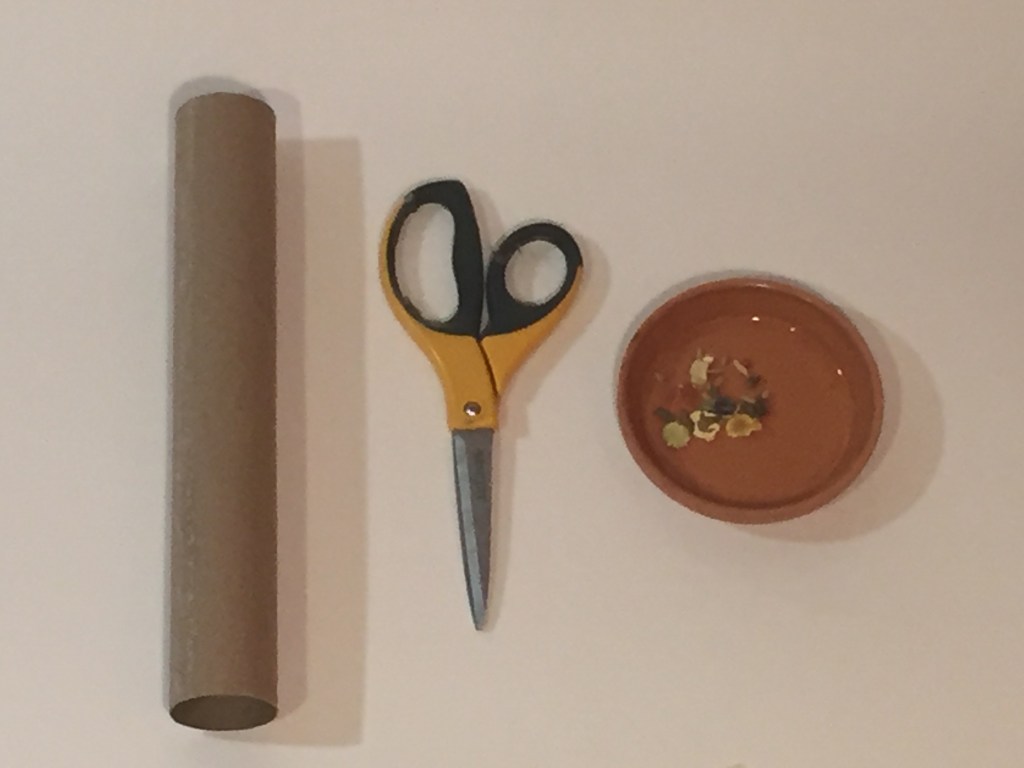
For this project you’ll need:

  • A paper towel/toilet paper tube
  • Scissors
  • Dry food or treats
  • Patience
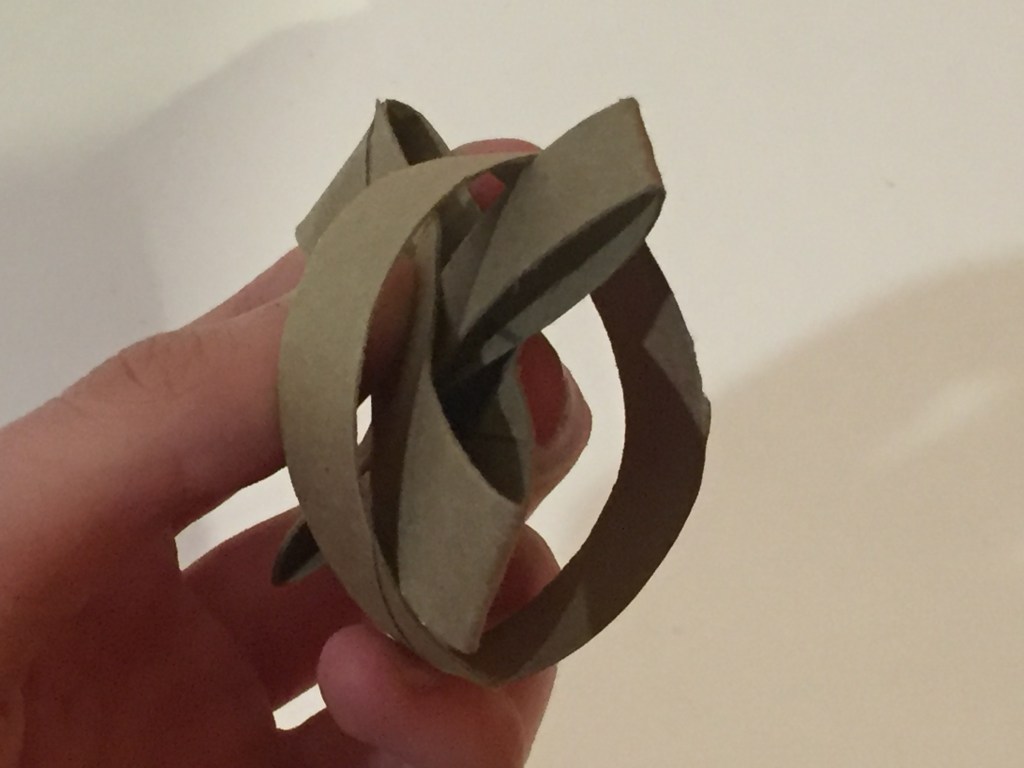
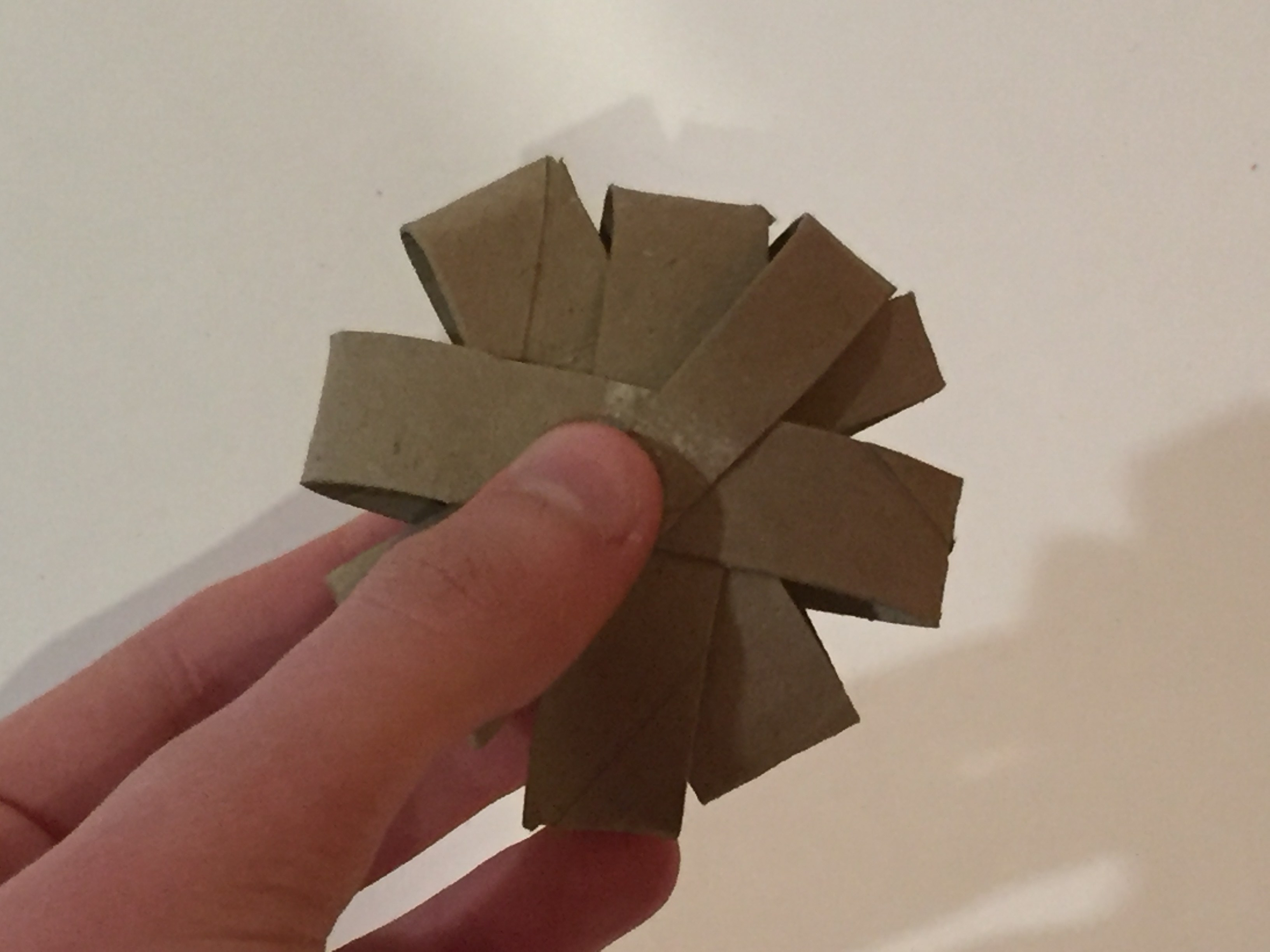
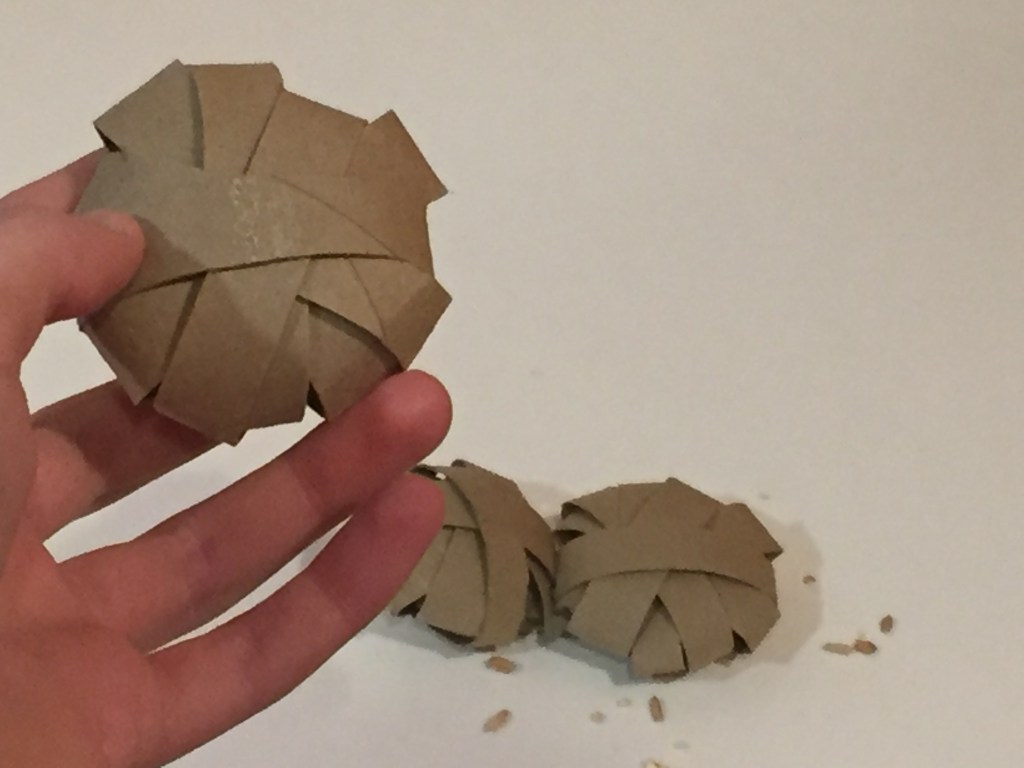
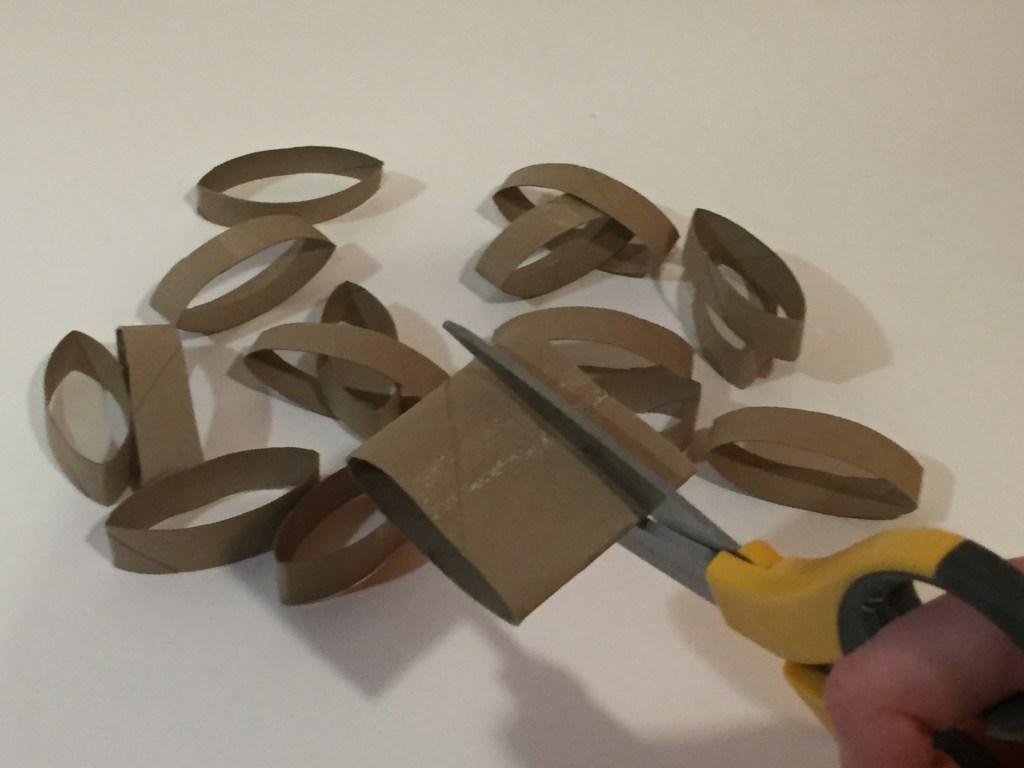
  • First flatten the tube and cut it into rings.
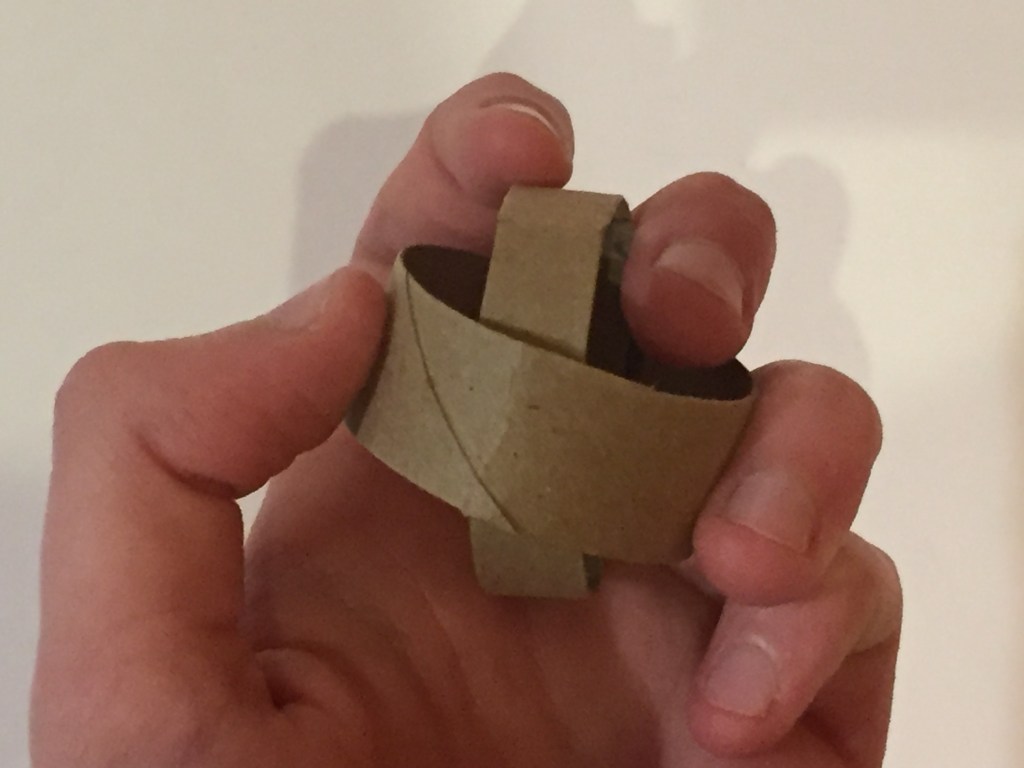
  • Then begin overlapping the rings in an X over X over X formation.
  • If you flatten the overlapped rings it will be easier to put the other ones on.
  • Keep overlapping (this is where the patience comes in).
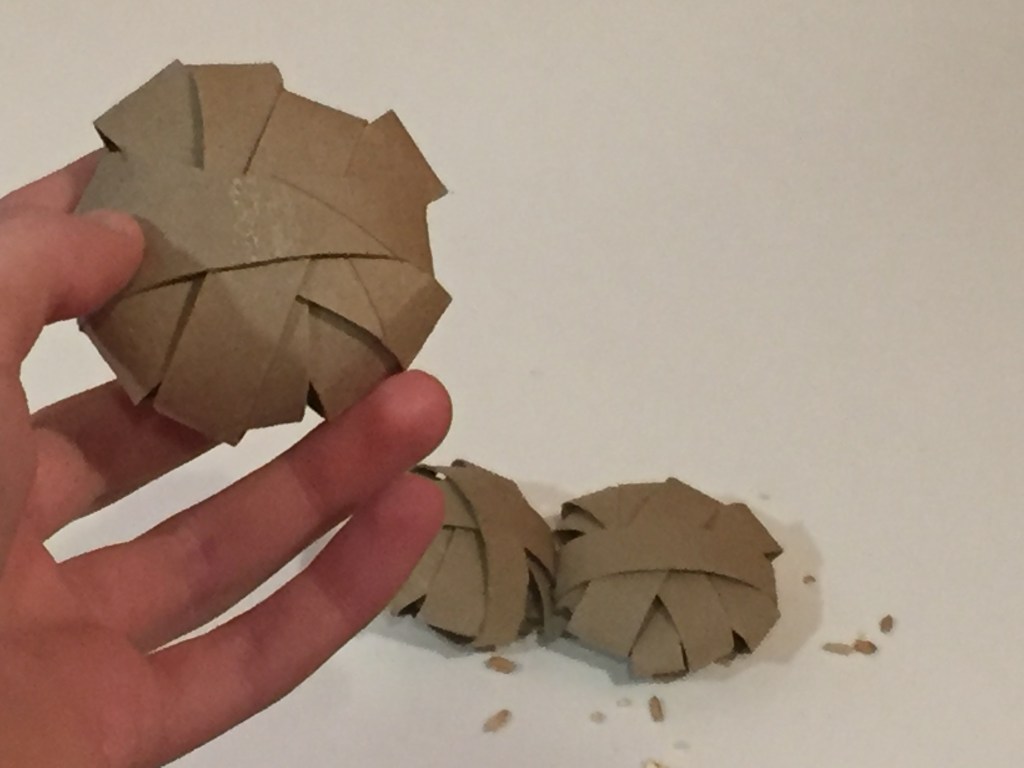
  • Now squeeze the sides of the cardboard-pancake and it will somewhat magically inflate!
  • Now stick pieces of food and treats into the cracks.

The DIY is complete! Serve them to you small pets, and they can have fun chewing, flinging, and destroying their latest toy.

Thank you so much for reading this post! If you’re interested in more hamster-related content be sure to like this post and follow the blog, and I’ll be back on Tuesday with more small pet care, DIYs, recipes, cage setups, stories and more, have a ham-tastic day!
Update

Today is the one-year anniversary of this blog, Beanie the Hamster! I’d like to thank my first-year followers for following, and I hope you will continue to enjoy my content.

If you have any post requests or feedback feel free to leave a comment in the ‘reply’ section at the bottom of all my posts.

I am still working towards adopting a hamster in the next few months, however my life doesn’t permit a new pet right now. I’ll make a few posts dedicated to my future hamster plans soon, but in the mean time I will continue posting hamster care and a few DIY tutorials.

Have a ham-tastic day!

~ Laura Grace

Author of Beanie the Hamster

The Worst Things I Bought/Used For Beanie

Welcome to a post of me telling you how terrible I was to Beanie. I don’t claim to be a perfect hamster owner now, but I definitely wasn’t when I started out with Beanie. That’s this week’s topic: the worst things I bought and used with Beanie.

I will be linking related posts at the end of this post if you’d like to learn more about the mentioned topics.

Beanie’s First Diet

When I got Beanie I purchased the cheapest ($8), best looking hamster seed mix I could find in the hamster section of Walmart. A mix which is too low in protein, and on the low end of everything else. There was almost no variety; the mix mostly consisted of pellets, millet, and dried corn. Bleh.

I researched a lot about hamster diet for my blog post about it. I learned the food I was giving Beanie wasn’t healthy, and I found a much better option: Higgins Sunburst Gourmet Blend for Hamsters and Gerbils, which has WAY more variety, and is a lot healthier. It is $16 a bag where I live, but that only makes it about a dollar more a month than the other stuff, and it’s totally worth it.

Beanie’s First Cage

In January of 2019 when I decided I wanted to get a hamster, I did some research and purchased a cage from a buy’n’sell website. The cage was the Ware Chew Proof 4 Story Small Animal Cage.

This cage had about 200 square inches of floor space, but in my mind the additional floors added up to the bare minimum, so it’d be okay (it’s not okay!!).

This cage is really tall, which isn’t good for hamsters. They may be able to climb, but they’re not good at it and a fall from the top could seriously injure your hamster.

There are some really weird fancy bends in the bars, which Beanie escaped through the first night I had her.

The base is about 2 inches deep, which does not provide enough depth for burrowing.

The additional platforms and ramps are mesh, which could’ve easily caused Bumblefoot, a painful foot infection.

Overall, this cage does not meet any of the requirements or safety standards for an appropriate hamster cage, and I feel so bad for having Beanie in it for a torturous month and a half before I upgraded her.

Things That Came With The Cage

As mentioned, I purchased Beanie’s first cage off a buy’n’sell website. Along with her cage I was given several other items, most of which I don’t use anymore or threw out for safety reasons, and now we’re going to talk about the unsafe things I did use.

The first thing is Beanie’s first wheel. It was an 8 inch, navy blue, cheap, mesh wheel, and I don’t recommend using those types of wheels because:

  1. The mesh causes Bumblefoot
  2. They are very loud
  3. Small pets are known to get caught and break limbs while using these wheels

Overall, terrible wheel, but I lined it with cardboard and used it for about 2 months (Beanie outgrew it). Thankfully there weren’t any incidents, but I wish I hadn’t used it since something could’ve easily gone wrong.

Next we have the well-known, popular hamster ball. It was a transparent, 8 inch hamster ball that I stopped using shortly after getting Beanie. I stopped using it because hamster balls pose many dangers to small pets, such as:

  1. Caught/cut toes
  2. Falling down stairs
  3. Dehydration
  4. Lack of oxygen

And not to mention how much hamsters must hate being in hamster balls. Your hamster is locked in a terribly ventilated little prison. They can’t get out. They can’t hide if frightened. They can’t get food or water. They can’t do anything but stand dumbfounded or run.

When you take your hamster out to play, put them in a playpen, or your bathtub (close the drain) with some toys. They’ll be a lot happier being able to climb around on their toys and run about freely than bumping around in a little ball.

Conclusion

Hamsters are great little pets, and they deserve to be well cared for by people since we’re the ones who domesticated them. If you use any of these products, it’s not the end of the world. You can fix it. You can give your hamster a better life. You need to acknowledge your mistakes, learn about what you’re doing wrong, and fix it.

If you’re interested in more hamster-related content be sure to like this post and follow the blog, and I’ll be back on Tuesday with more small pet care, DIYs, recipes, cage setups, stories and more, have a ham-tastic day!
Check Out:

Victoria Raechel (An Awesome Hamster YouTuber!)

How To Create A Cute Arched Doorway For Your DIYs – New Year’s Special

Happy New Year, Ham Fam! I thought that I would make y’all a little extra content to celebrate 2021, and so I’m going to be showing you how I make cute, arched doorways for some of the DIYs I make!

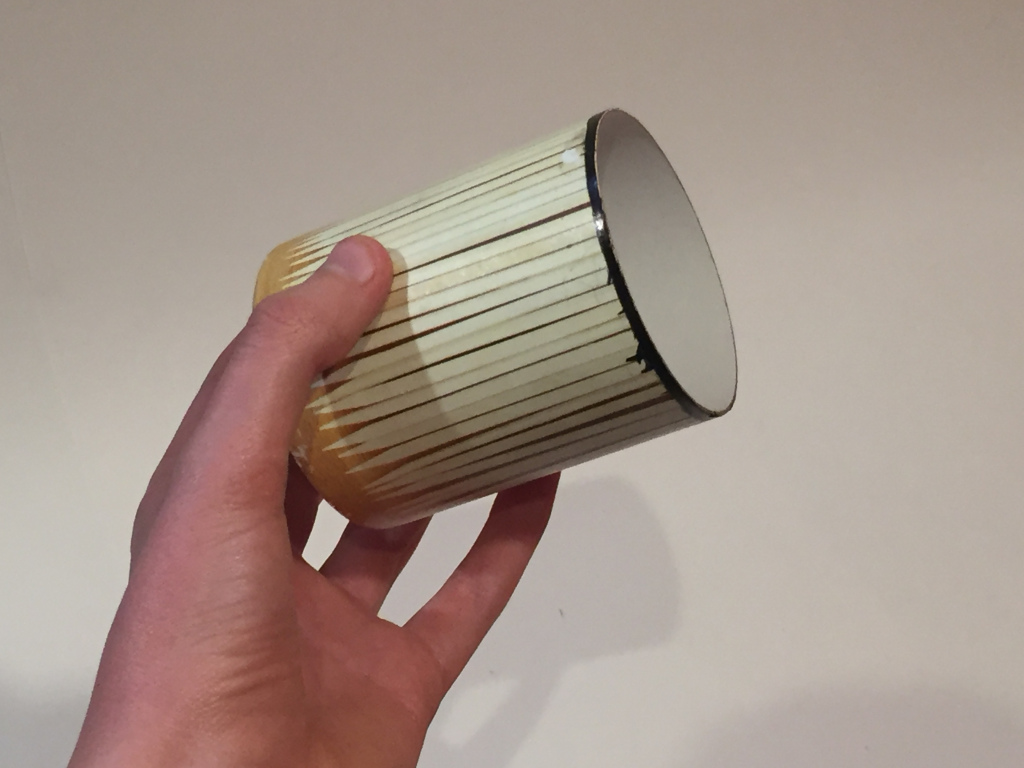
  • First get a cylindrical object or drawing compass to draw a circle your small pet could fit through. I always use this skewer can lid, which is 3 inches in diameter.
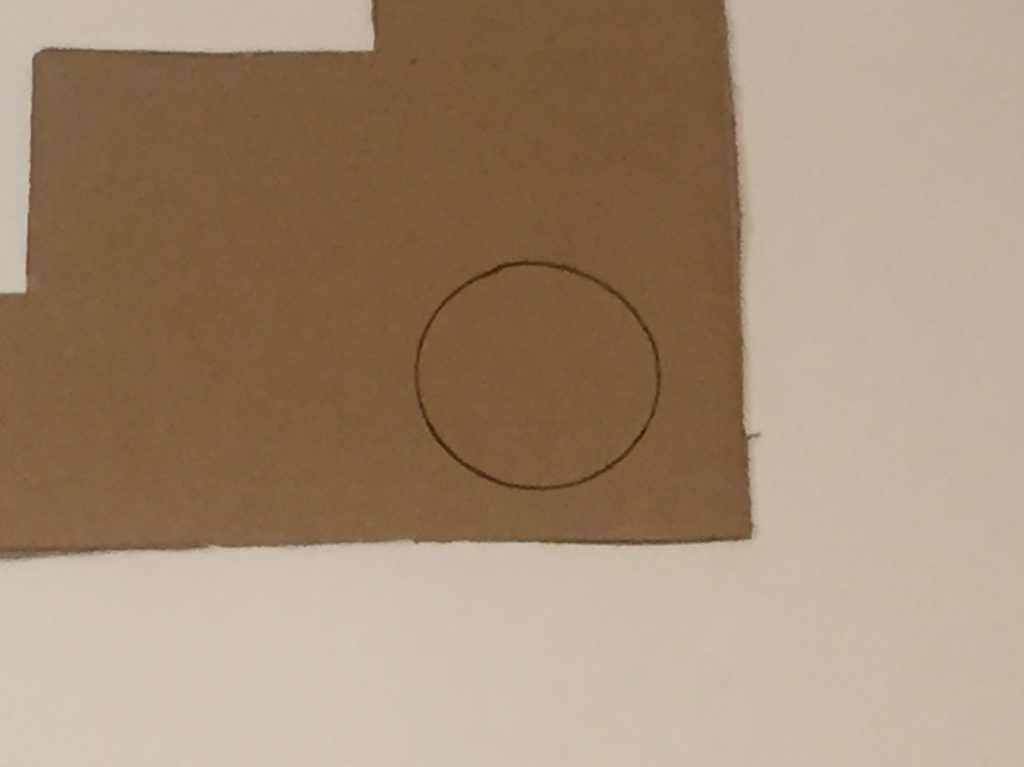
  • Draw/trace a circle (this forms the arch of the doorway).
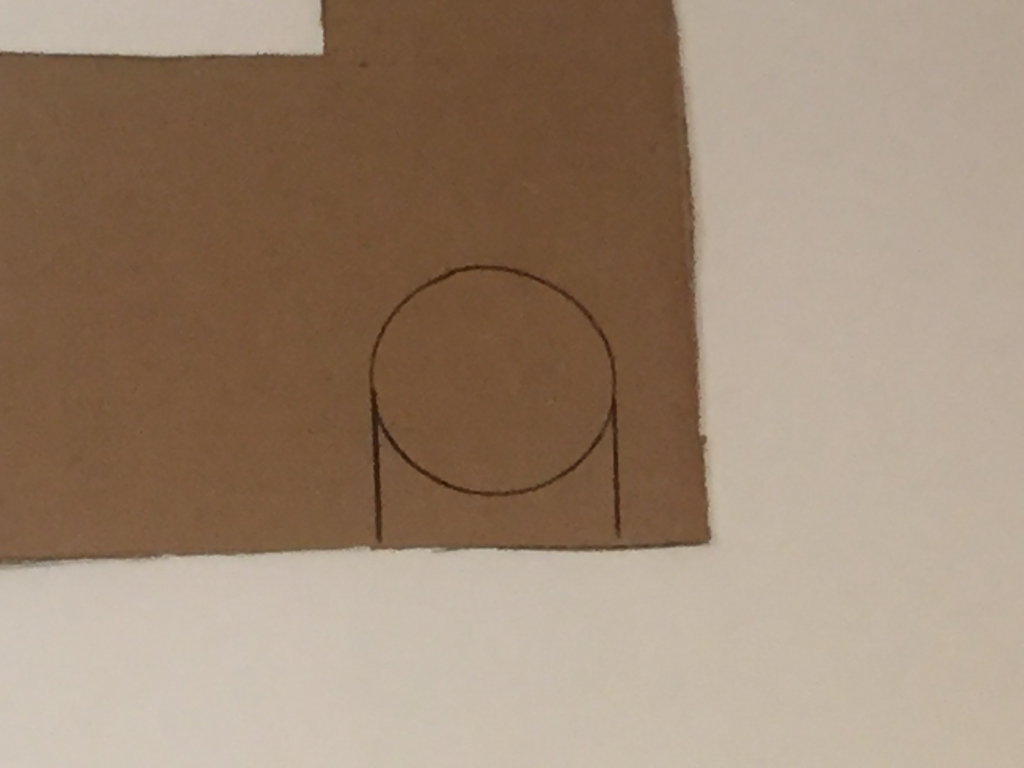
  • Get a ruler and use some lines to connect the circle to the edge of the cardboard, as shown above.
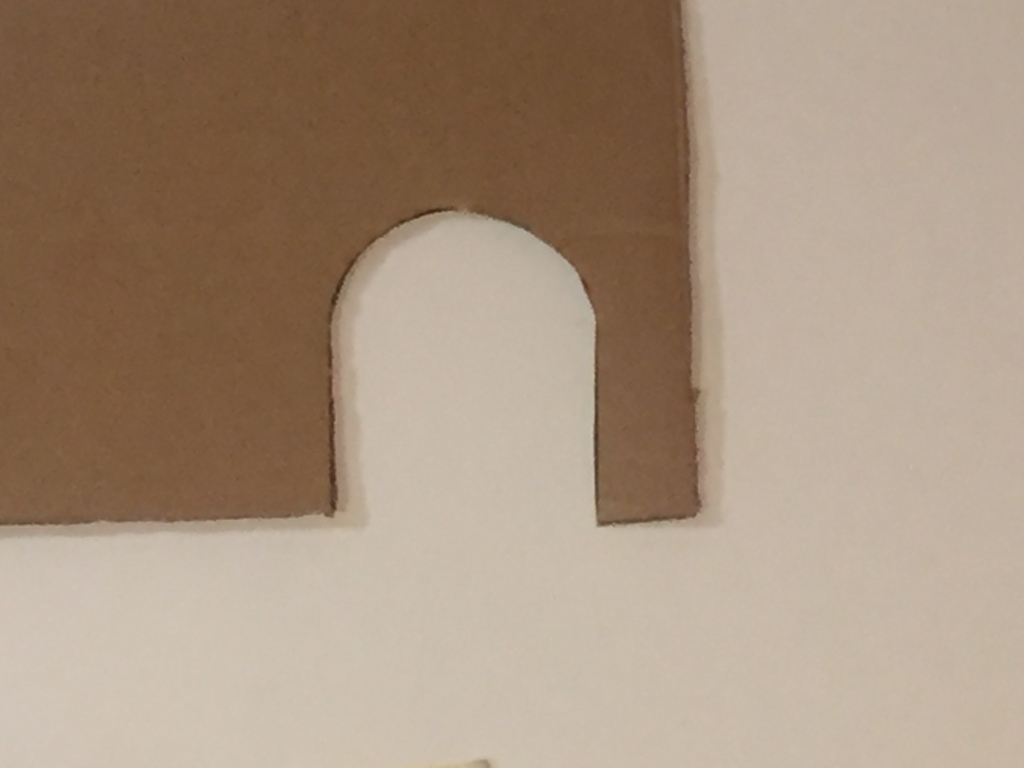
  • Cut out the doorway using scissors or a craft knife.

And that, my friends, is how I create arched doorways easily for my DIY hamster toys! I hope that this post has answered that burning question of how I make such perfect doorways 😄

If you’re interested in more hamster-related content be sure to like this post and follow the blog, and I’ll be back on Tuesday with more small pet care, DIYs, recipes, cage setups, stories and more, have a ham-tastic New Year!

The Demo DIYs:

Christmassy Basket Hut

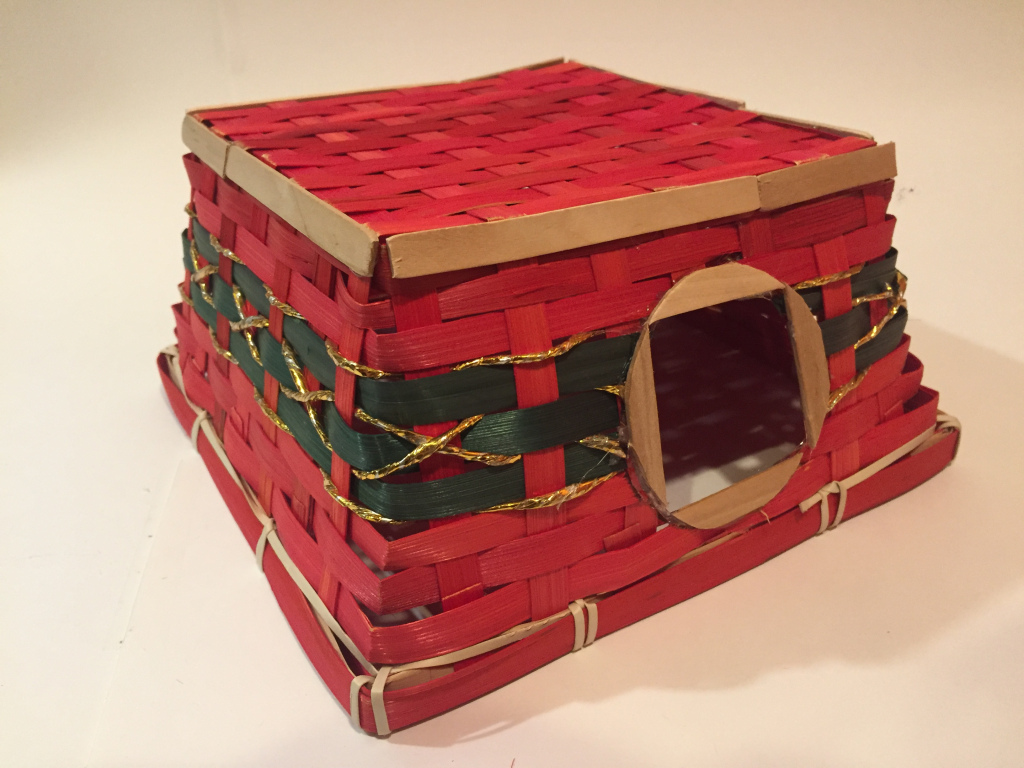
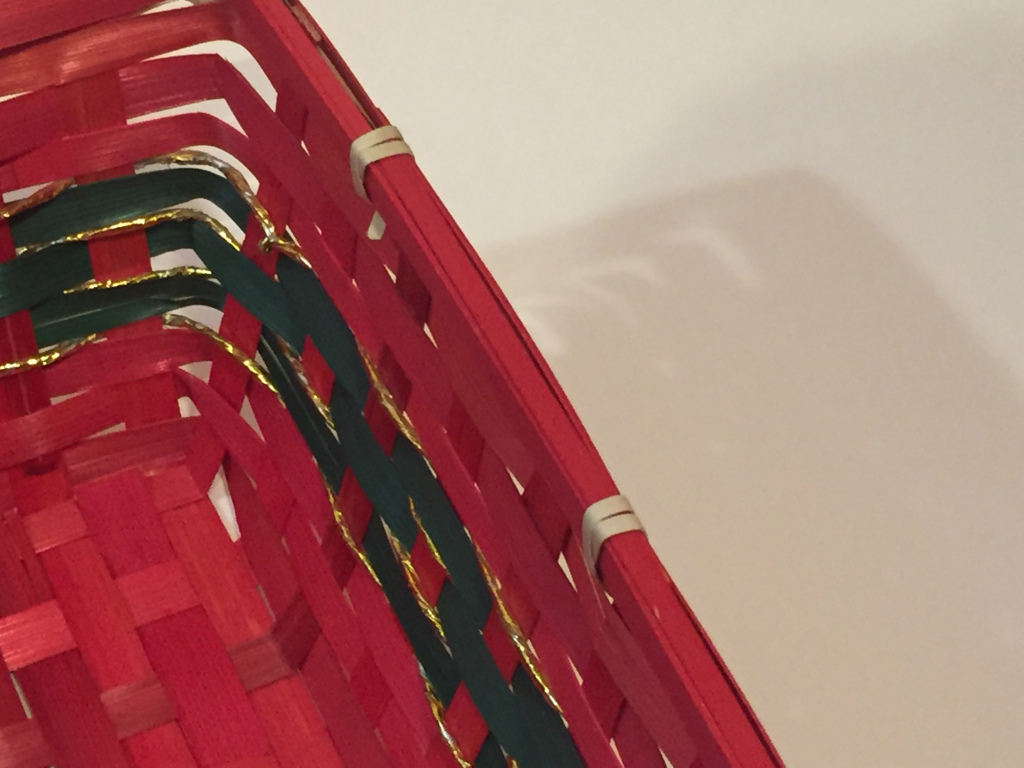
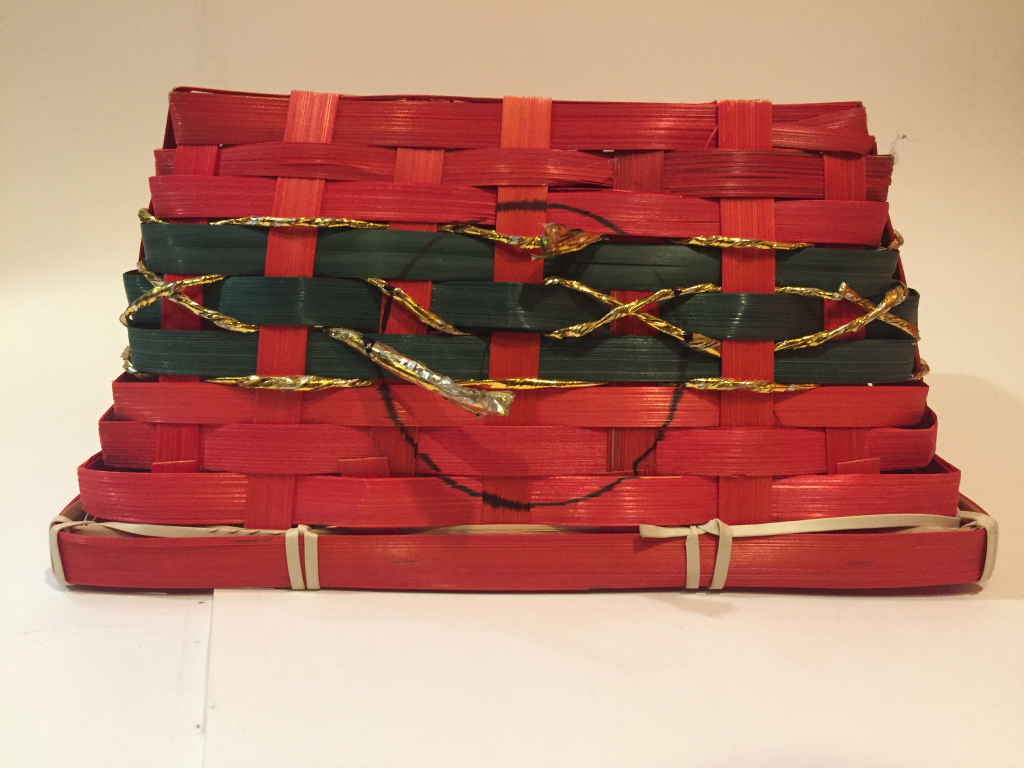
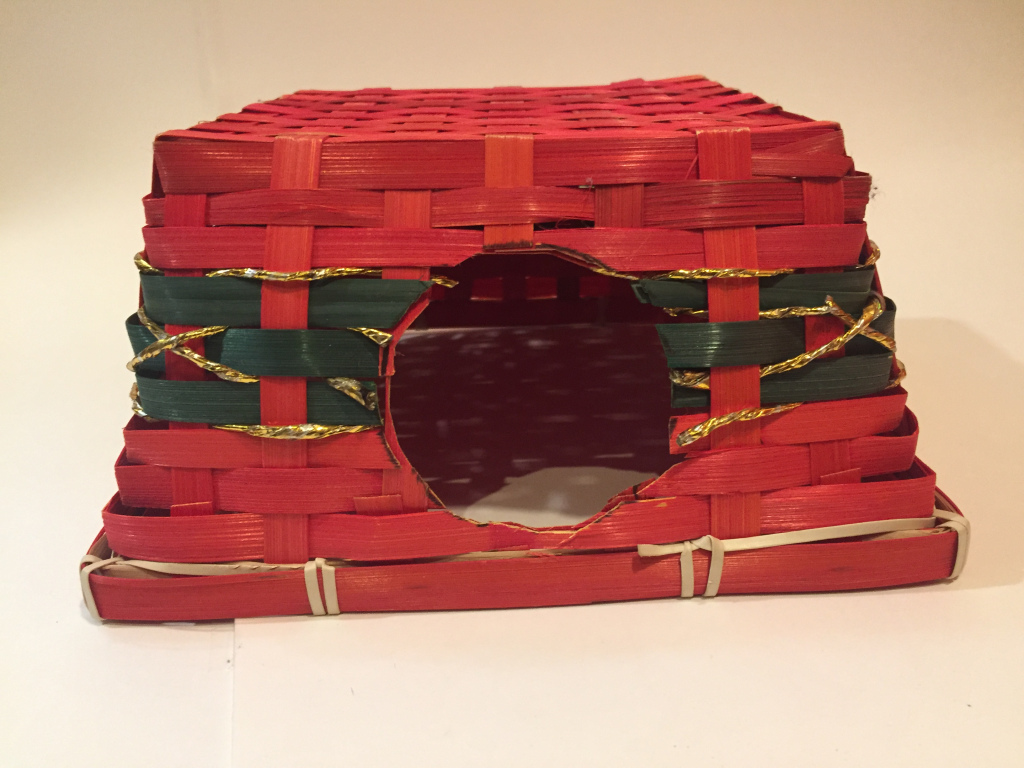
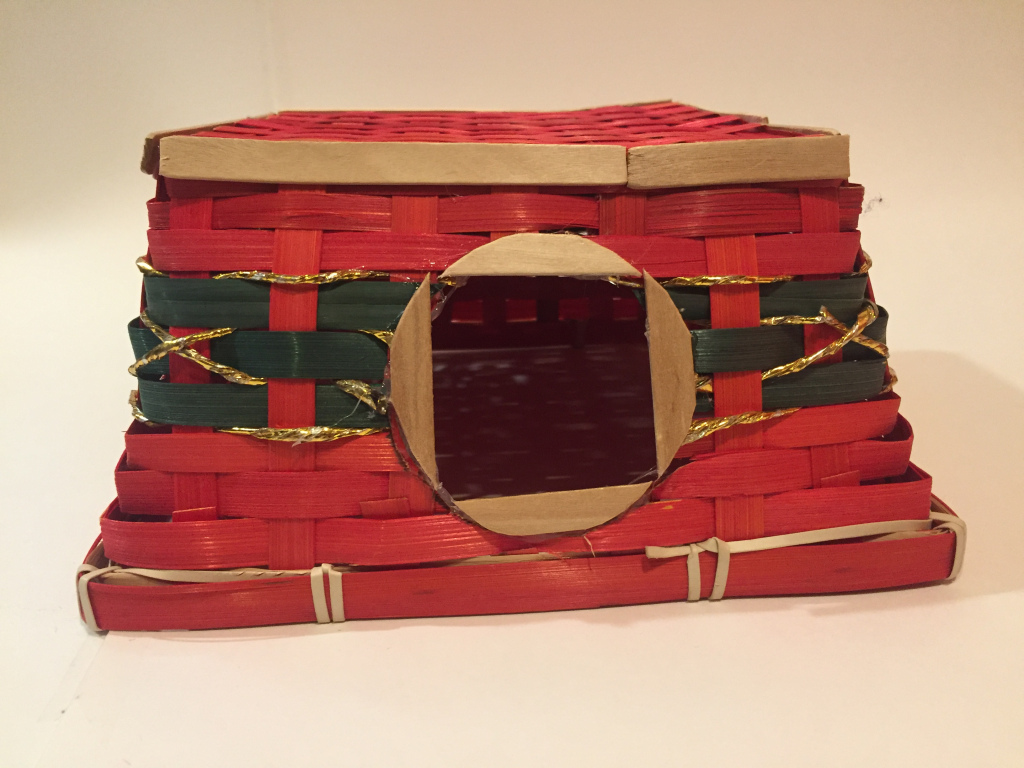
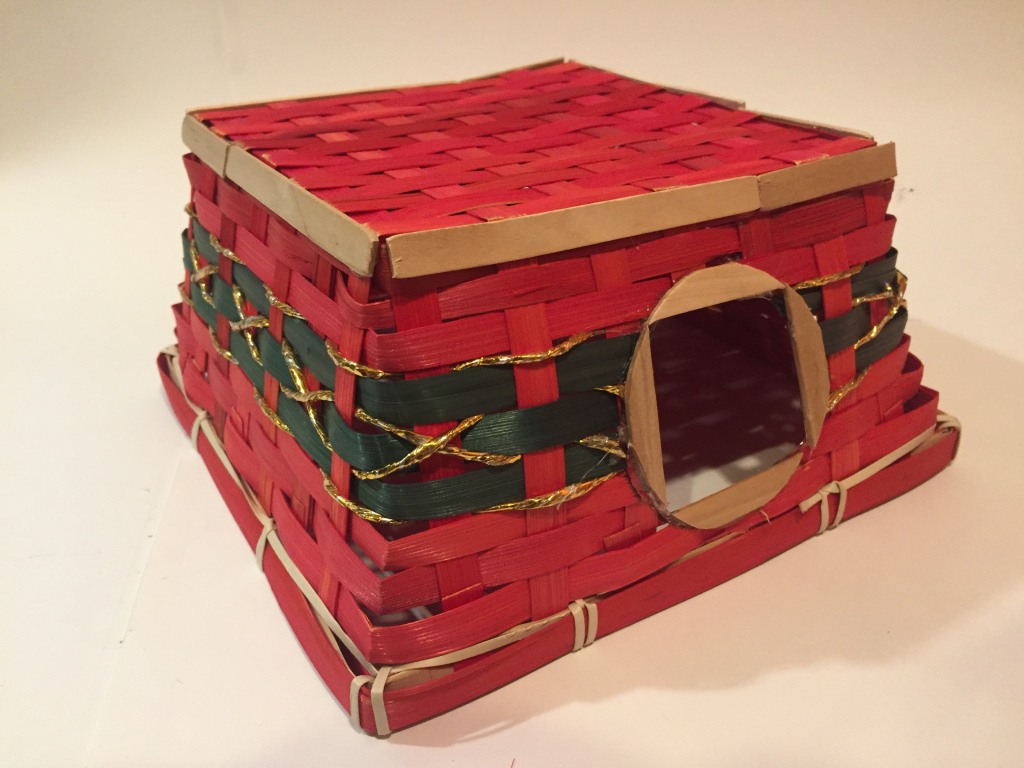
Welcome to this DIY tutorial! Today we’re going to be making this Christmassy Basket Hut for small pets! You can recreate this DIY with any basket, or use different themed baskets for different cage themes! This one in particular is Christmas themed, and I’m going to be showing you step by step how I made it.

For this project you’ll need:

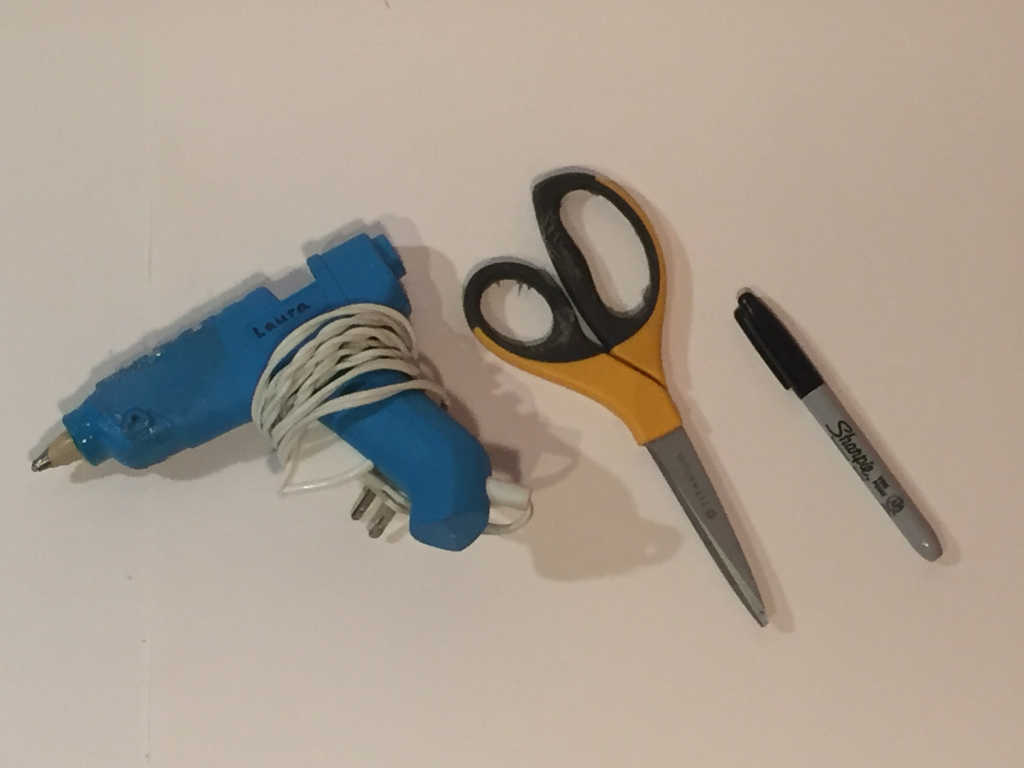
  • A hot glue gun
  • Scissors
  • A dark marker
  • Popsicle sticks
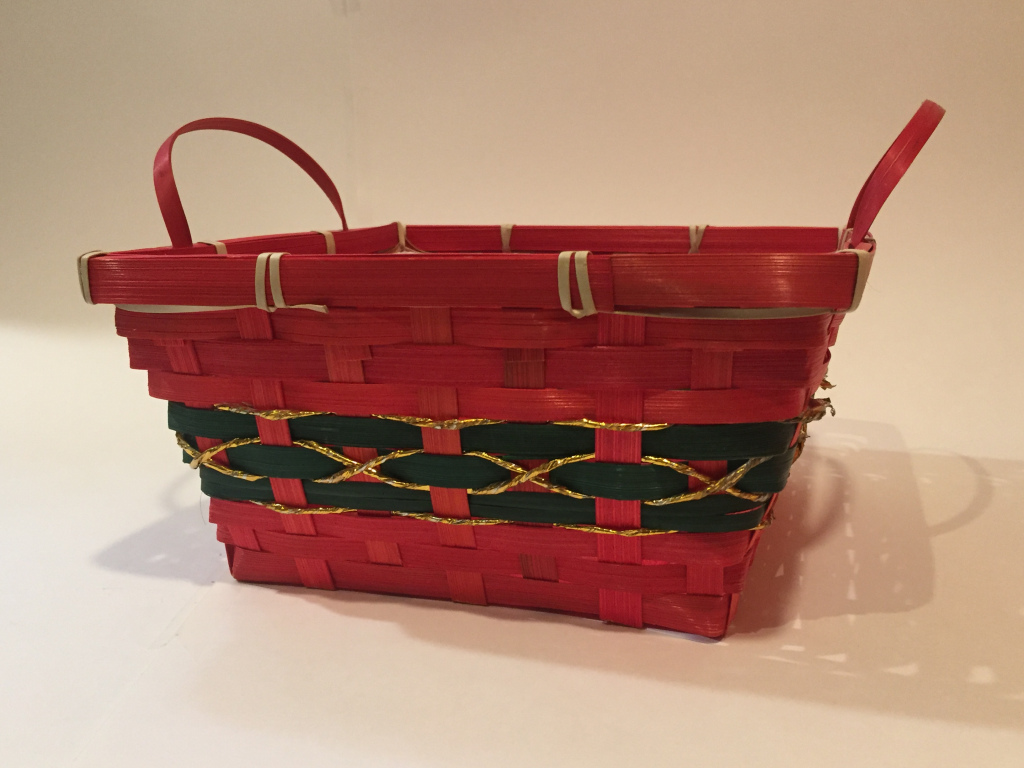
  • A basket
  • A circular template
  • A piece of paper
  • If your basket has handles on it simply snap them off.
  • Trace your circular template onto your basket; this will be the doorway.
  • Using your scissors chop out the hole in the basket. This can be challenging.
  • Heat up your glue gun and glue together all the loose basket-bits.

Now to create the fancy doorway:

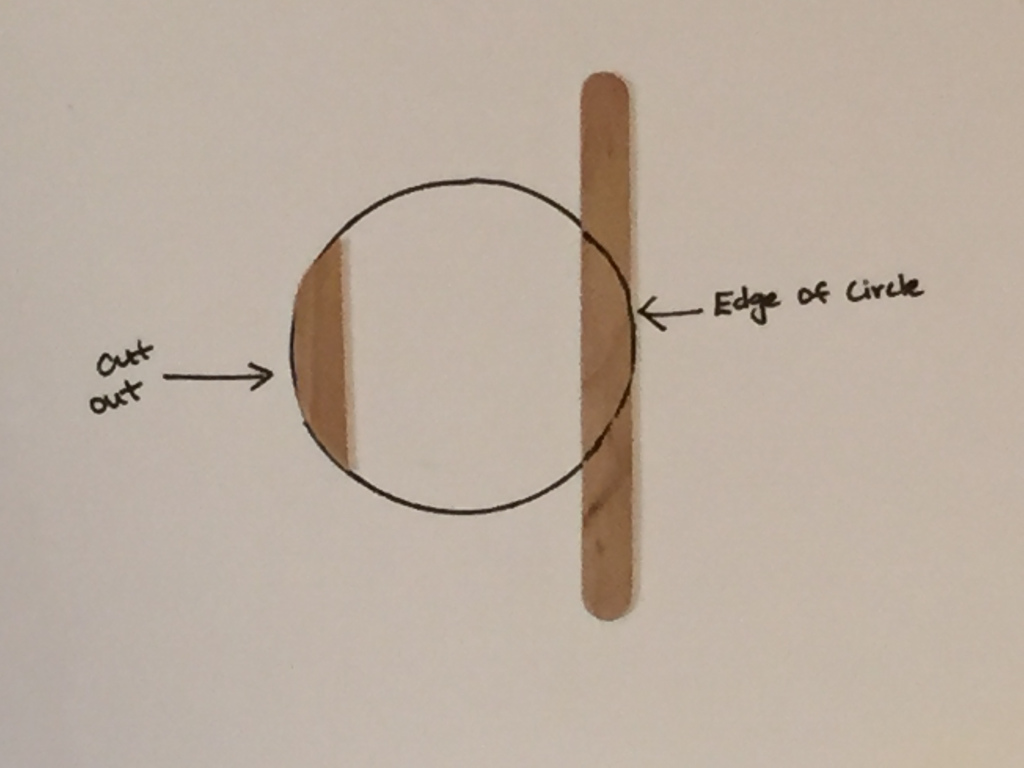
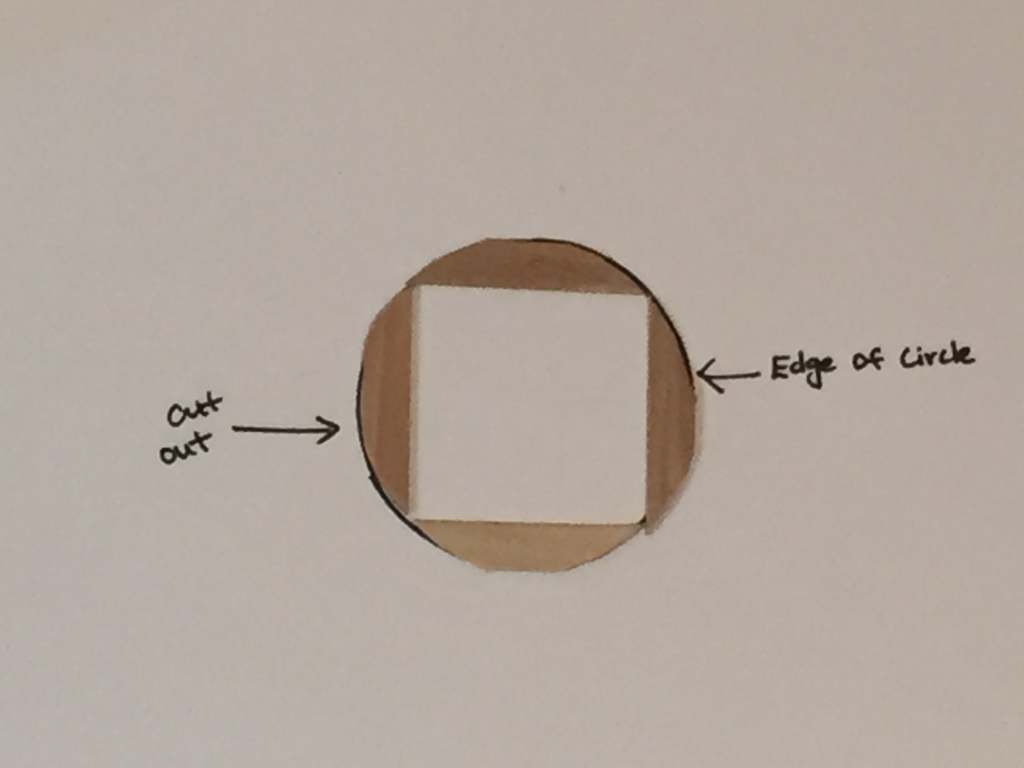
  • Using your circle template draw a circle on a paper.
  • Lay a popsicle stick on the circle, meeting up with the edge of the circle.
  • Draw in the circle over the stick.
  • Cut out the stick.
  • Repeat until you have four rounded popsicle stick pieces that create a circular circumference with a square inside.
  • And finally, glue on the popsicle stick pieces around the doorway.
  • You can add a few sticks around the edges if you’d like.

And voila! A nice, Christmasy-looking hut for your small pet. I really want to make more huts like this, since they’re super cute and if you get uncoloured baskets they have a really naturalistic vibe. You can usually get baskets in Thrift stores, and there’s so many options!

Please scroll down and comment if you’ve made a basket hut and how it turned out!

If you’re interested in more hamster-related content be sure to like this post and follow the blog, and I’ll be back on Tuesday with more small pet care, DIYs, recipes, cage setups, stories and more, have a ham-tastic day!
Hamster Balls

Hamster balls are a very popular hamster accessory that tons of people use for their small pets, but are they really okay to use?

All the following information is true for all small pets, not just hamsters.

Hamsters are very hyper little animals, and they should definitely be taken out for playtime at least every other day. Hamster balls seem like a great solution because you can just release your hamster and let them do their thing, but there are actually many reasons not to use hamster balls, which I will explain.

Safety

Hamster balls are not safe for your hamster. The thin little air slits are a common cause of injury, and hamsters often get their toes caught or break limbs.

There have been cases where a hamster is in a ball, and the lid comes open. Your hamster then escapes, possibly forever.

Hamsters running around unsupervised in hamster balls are often batted around or injured by other pets. Overall, hamster balls are not safe for small pets.

Comfort and Health

We must also take the comfort of the hamster into consideration. Hamsters are very high-energy animals, and they require out-of-cage time at least every other day to keep them happy and healthy. Many people, including myself, have found better, more comfortable, ways to let your hamster run about than using a hamster ball. But why aren’t hamster balls comfortable for your pet? Let me tell you.

When in a hamster ball your hamster does not have access to food or water, and it is not uncommon for hamsters to become dehydrated. If they poop or pee in the ball then they are stepping in their own waste, and that’s disgusting, especially for an animal which takes such pride in cleanliness.

Hamsters have very bad eyesight, and whether your hamster ball is transparent or not, they cannot see outside the ball. Usually hamsters navigate using their whiskers, smell, and hearing. But when they are in a hamster ball they cannot feel with their whiskers, smell all the smells, or hear all the things that they would assume are dangerous as a tiny prey animal.

Since their senses of sight, hearing, smell, and touch are so limited, your hamster will be afraid. You cannot prevent or train them not to be afraid. Their instincts are telling them they are in danger, and animals will always trust their instincts.

So your hamster is afraid, and being a prey animal, they want to hide. Your hamster now has another problem; they can’t hide. They’re in a bulky hamster ball, remember? If you were to use a small hamster ball your hamster’s back will be bent, which isn’t comfortable and can cause spinal issues. So your hamster can only run or sit motionless. They cannot see, hear, smell, feel, or hide, and they are stressed.

Stress is not healthy for any living thing. Stress lowers your immune system, making you more prone to illness. Hamsters can actually get a number of illnesses simply from just being stressed; they don’t even need to come in contact with anything.

A lot of stressed-caused illnesses and diseases, such as Proliferative Ileitis (Wet Tail), are fatal to hamsters within 72 hours.

Conclusion

Hamster balls are not suitable for hamsters because they are uncomfortable, cause stress, injury, or possibly even death. There are many alternatives to using hamster balls, such as free roaming your hamster or putting them in a playpen. Hamsters get a lot more enrichment from free roaming, and it is overall very beneficial.

If you’d like to know how to start free roaming, I have a post all about it. There are also tons of tutorials for hamster playpens online as well, although I have not personally made a tutorial.

Hamster balls are dangerous and uncomfortable for your small pet, and should not be used.

If you’re interested in more hamster-related content be sure to like this post and follow the blog, and I’ll be back on Tuesday with more small pet care, DIYs, recipes, cage setups, stories and more, have a ham-tastic day!
Related Posts

Stop Giving Pets As Presents

It’s the holiday season: the time of giving and receiving presents from family and friends. Animals are often given as presents, but really shouldn’t ever be considered a surprise gift. Today I’m going to explain why and offer some alternatives to giving an animal as a present!

Why You Shouldn’t Give a Pet as a Gift

Imagine giving someone a baby as a gift, and expecting the people you’re giving it to to take care of it for the next 18 years of its life. There’s a lot of research, time, money, and energy that go into raising and caring for a living being, and some people may not be ready for that. 

A lot of the time the person giving the pet as a gift does not really know how to properly care for the animal, and they just buy the obvious essentials to get the receiver started, even if they aren’t necessarily appropriate.

If it is the parent/guardian giving the animal to a minor (person under 18-years-old) they give their child these inappropriate supplies and expect the child to manage. If the child does learn the proper care for that animal, and informs their parent/guardian of the upgrades and changes that need to be done, and the parent/guardian refuses to pay for it, the animal and child are both miserable. This happens often and it’s very sad.

An adult may be too busy with work to give an animal all the care and attention they need, so getting an animal for an adult you know is not really any better.

If you gift someone with an animal, even if they really wanted it, a common occurrence is the person didn’t actually do much research into that animal’s care, so they aren’t really prepared to care for that animal.

Buying A Surprise Pet For Yourself

Since you shouldn’t get a surprise animal for someone else, getting one for yourself may not seem like such a bad idea. Whatever the reason may be for not letting your household know you’re getting a pet, there are plenty of reasons not to surprise them with a new pet, even if you are taking care of it.

If you live with other people, those people have a say in what lives with them. They may be completely against having a certain species of pet or any pet at all. If they tell you they will not permit that animal in their home, especially if they’re your parent/guardian, you will have to return it. This is very stressful for the animal.

And since you can’t surprise people by bringing an animal home if you are researching and setting up the supplies for it, when you bring the animal home, it has to wait in the carrier or your vehicle while you set up their space (enclosure, feeding area, litter box, or whatever that animal requires). This causes more stress for the animal.

Another Option

Instead of getting a pet for one person, you could have a discussion with whoever you live with/the household of the person you were planning to get a pet for, and look into getting a family pet.

If you decide to get a family pet, assign each agreeing person a part of the work that the animal requires and get a calendar or chart dedicated to the family pet. Write out the daily, weekly, and monthly chores with an assigned person’s name, and after they’ve done their part that’s scheduled they cross it off. This way, the animal isn’t getting overfed, over-cleaned, over medicated, et cetera.

When You Can Buy Someone an Animal

If a friend/family member has decided they would really like a specific animal, their household has agreed on it, they’ve done all the research, and have everything set up in their home, you can definitely pay for their pet if you’d like to buy it for them!

Make sure they come with you to pick out their own animal, and that they know exactly what species of animal they would like. If they don’t really know what they want, they may end up with a totally different species of animal!

A Pet You Can Give as a Gift

There is one pet you can give to someone as a gift, and that is a plant! Plants make wonderful pets, especially for new pet owners. If someone you know is interested in owning animals, I’d definitely recommend starting with a plant.

Plants should be checked daily, and watered regularly (how often depends on the type of plant and your climate). Different plants require different care, which is a good way to practice researching.

Although you definitely shouldn’t go out of your way to let a plant die, it’s not an animal that feels pain, so it’s not the end of the world if it doesn’t live long. 

However, if the person neglects the plant after a while, they shouldn’t have a living animal. Some people just don’t stay interested in things for a long time. That’s just how some people are, and it’s not really their fault. If they’re neglecting an animal someone does need to intervene, though.

Buy Them Supplies Instead

As a pet owner, something I love to receive as gifts are pet toys and supplies. Pet owners appreciate not having to spend more money on supplies.

If you ask for a list of pet supplies the person would find useful, I’m sure they’ll write one up. That will make shopping a lot easier for you, and you know the person is getting something they want.

Conclusion

  • Pets are not presents. Do not get an animal as a gift for someone without their knowledge.
  • There are other options, such as getting them a pet plant, or agreeing on a family pet with their/your family that everyone cares for.
  • Getting yourself a surprise pet isn’t a very good idea either, since you cannot set up the animal’s supplies secretly and whoever you live with may make you return the animal.

If you’re interested in more animal-related content be sure to like this post and follow the blog, and I’ll be back on Tuesday with more small pet care, DIYs, recipes, cage setups, stories and more, have a ham-tastic day!
Design a site like this with WordPress.com
Get started